
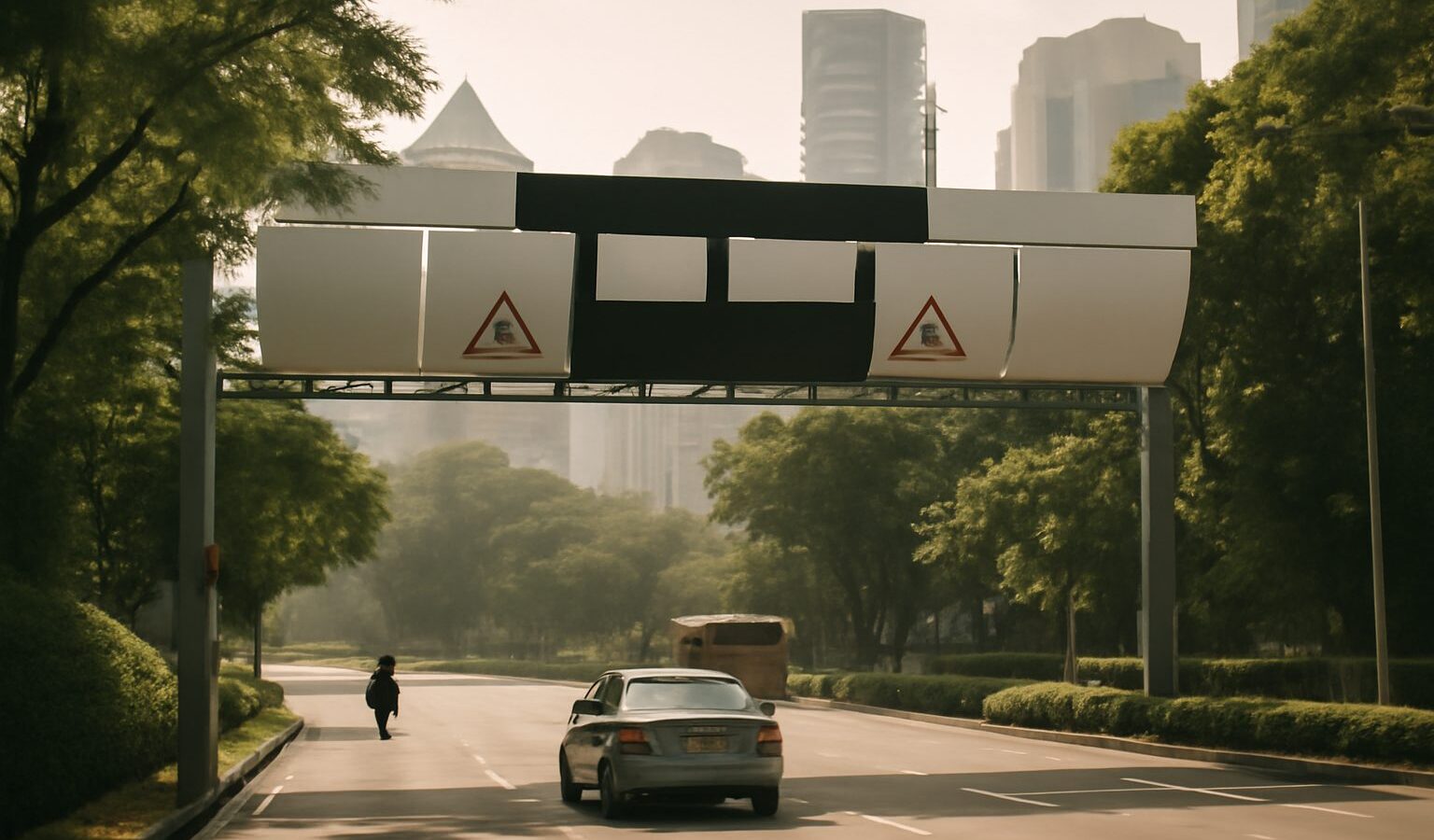
If you drive in Singapore, ERP is part of daily life, and yet plenty of motorists only half understand it. You hear the beep, you see a figure flash on the little screen, and the money is gone. ERP Singapore, short for Electronic Road Pricing, is the country’s way of charging drivers for using busy roads at busy times, so that traffic keeps moving instead of grinding to a halt. This guide explains what ERP is, why it exists, how the charges work, and where things are heading with the newer satellite-based system. Because rates and gantry locations change often, always check the current details with the Land Transport Authority (LTA) rather than relying on what you remember from last year.
Why Singapore Charges For Road Use
Singapore is small, densely built, and cannot simply keep widening roads forever. Land is scarce, and every new lane competes with housing, parks and other uses. Rather than let congestion sort itself out with long jams, the LTA uses road pricing to manage demand. The idea is straightforward: when a road or expressway gets crowded at peak hours, a charge nudges some drivers to travel earlier, later, by another route, or by public transport instead.
This is congestion management, not a general tax on driving. The charge is tied to specific places and specific times where traffic tends to build up, such as the city centre in the morning and expressways during the rush. If a road is flowing well, there is no reason to charge for it, and often there is no charge at all outside peak periods. The goal is to keep average speeds within a healthy range so buses, goods vehicles and cars all keep moving.
Understanding this “why” makes the system easier to live with. ERP is not there to punish you; it is a pricing signal. Once you see it that way, planning around it becomes a normal part of deciding when and how to make a trip.
How Gantries And Charges Work
The familiar overhead ERP gantries sit at entry points to the city and on selected expressways and arterial roads. When your vehicle passes underneath during a charging period, the gantry communicates with the device in your car and deducts the applicable amount.
A few principles are worth knowing:
- Charges vary by location. Different gantries have different rates, reflecting how congested that particular stretch tends to be.
- Charges vary by time. Rates are usually set in short time bands across the peak periods, and they can be higher when traffic is heaviest and lower or zero when it eases.
- Charges vary by vehicle type. Cars, motorcycles, goods vehicles and larger vehicles are not all charged the same amount.
- Rates are reviewed regularly. The LTA adjusts rates based on measured traffic speeds, so a gantry that was free at a certain hour last year may charge this year, and the reverse can also happen.
Because of all this variation, it is genuinely not possible to memorise a single “ERP price”. The sensible habit is to check the current rate schedule for the roads you use on the LTA or One Motoring resources. What matters for everyday driving is knowing which gantries lie on your route and roughly when they are active, so a charge never comes as a surprise.
The In-Vehicle Unit And Paying
Every Singapore-registered vehicle that uses ERP roads carries a device that handles the payment. Under the original system this is the In-Vehicle Unit, the small box usually mounted near the windscreen that holds a stored-value card. When you pass a charging gantry, the amount is deducted from the card.
The practical responsibilities for a driver are simple but easy to neglect:
- Keep a valid stored-value card inserted and topped up with enough balance.
- Make sure the unit is working and reads the card properly.
- Sort out any shortfall promptly, because passing a gantry without sufficient value can lead to an administrative charge or fee on top of the toll.
If the device cannot deduct the charge at the gantry, the system records the passage and you may be billed afterward, often with an extra administrative fee. Checking your balance before a city trip, much as you would check fuel, saves hassle. For the exact rules on shortfalls, replacement cards and payment methods, refer to LTA, since the arrangements are updated from time to time.
The Move To Satellite-Based ERP
Singapore has been shifting from the gantry-based system to a satellite-based one, generally referred to as ERP 2.0. Instead of relying on fixed overhead gantries, the newer approach uses a next-generation in-car device, the On-Board Unit (OBU), that works with satellite positioning to determine where a vehicle travels.
In broad terms, the direction of travel is toward:
- A more flexible system that is not tied to physical gantry structures, so pricing can in principle be applied more precisely to where and when congestion actually occurs.
- A richer in-car device that can display useful information to drivers, potentially including traffic and travel-related details, rather than just deducting a toll.
- A smoother experience as the technology matures, with the OBU handling payment in place of the older In-Vehicle Unit.
It is important to be clear about what is not being promised here: the existence of a satellite system does not automatically mean charges everywhere, and the specifics of how, when and where any distance-based or location-based pricing applies are decisions for the authorities. Treat ERP 2.0 as an evolution of the same congestion-management goal using better tools. For the current status of the rollout, what device your vehicle needs, and how any charging works, check LTA directly.
Comparing The Concepts And What They Mean For You
The table below sets out the main ideas behind ERP against what each one actually means when you are behind the wheel.
| ERP concept | What it means for drivers |
|---|---|
| Congestion management | Charges target busy roads at busy times to keep traffic moving, not to tax driving in general |
| Location-based charging | Different gantries or zones carry different charges depending on how congested they are |
| Time-based charging | Rates shift across peak periods; travelling a little earlier or later can cost less or nothing |
| In-Vehicle Unit and stored-value card | Keep the card topped up so charges deduct cleanly and you avoid administrative fees |
| ERP 2.0 and the On-Board Unit | A satellite-based successor with a smarter in-car device; check LTA for what your vehicle needs |
| Regularly reviewed rates | Prices and gantry locations change, so verify current figures before relying on them |
Planning Routes And Checking Rates
You cannot always avoid ERP, and often it is not worth the detour, but a little planning helps. Before a regular commute or a one-off city trip, look up which gantries sit on your route and their charging times using the LTA or One Motoring rate information. Many navigation and traffic apps also factor ERP into route options, letting you weigh a cheaper path against a longer drive.
Some everyday tactics:
- Shift your trip out of the busiest band where your schedule allows, since rates and congestion both tend to ease either side of the peak.
- Consider whether public transport makes more sense for city-centre trips, especially where parking adds to the cost on top of ERP.
- Do not chase small savings with long diversions that burn fuel and time; sometimes paying the charge is the rational choice.
The single most useful habit is simply to check the current rates and locations with LTA when they matter, because the system is designed to change as traffic changes.
Explore More
For the flip side of city driving, see our guide to parking in Singapore, since ERP and parking costs often stack up on the same trip. And if you are weighing whether to drive at all, our commuting tips for Singapore can help you decide when public transport is the smarter call. Always confirm current rates and rules with LTA before you rely on them.
Related across Sky Media: ERP and Road Pricing Explained