
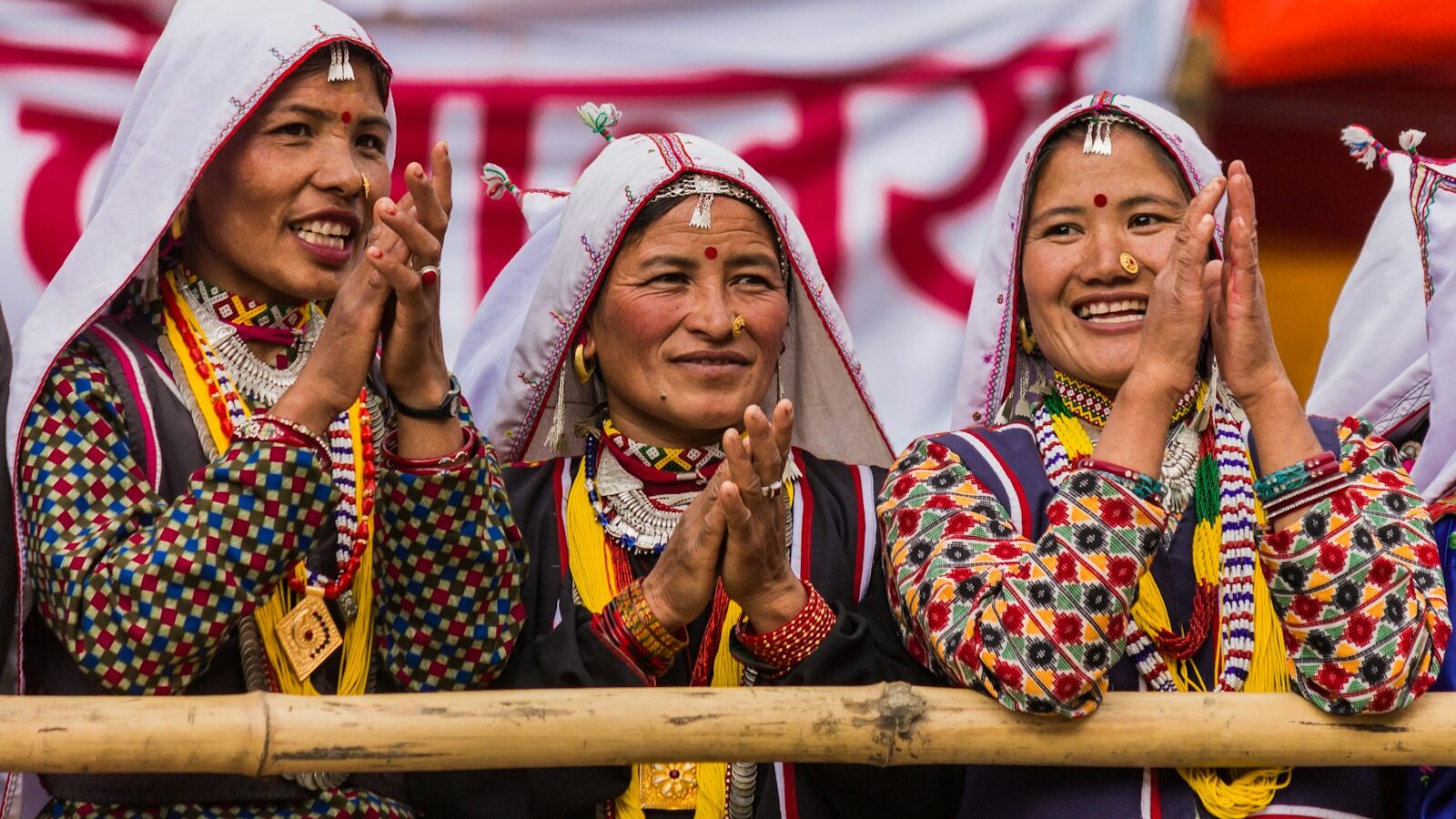
The Eurasian community is one of Singapore’s smaller but historically significant communities, with a distinctive heritage blending European and Asian ancestry, and a rich culture of its own. This guide explores the Eurasian community and its culture in Singapore.
Heritage and origins
The Eurasian community traces its heritage to the mingling of European and Asian ancestry over generations, resulting in a distinctive community with its own culture, traditions and identity. Historically established in the region, Eurasians have long been part of Singapore’s social fabric and are recognised as one of the nation’s communities. Their heritage reflects a blend of influences, and the community has developed a unique culture encompassing food, traditions and a strong sense of identity. Though smaller in number than the major communities, the Eurasian community has contributed to Singapore’s multicultural story and diversity. Understanding its heritage and origins offers insight into a distinctive and often less widely known part of the nation’s rich cultural mosaic.
Distinctive food
| Element | Character |
|---|---|
| Fusion cuisine | A blend of European and Asian influences |
| Signature dishes | Distinctive dishes cherished by the community |
| Festive food | Central to celebrations and gatherings |
| Heritage | A treasured expression of identity |
One of the most cherished and distinctive aspects of Eurasian culture is its food, a delicious fusion reflecting the community’s blended heritage. Eurasian cuisine combines European and Asian influences in unique ways, resulting in dishes that are flavourful, distinctive and beloved by the community. This food is a treasured expression of Eurasian identity and heritage, central to celebrations, gatherings and family traditions. The cuisine is a wonderful example of the cultural blending that defines the community, and it adds another rich dimension to Singapore’s diverse food landscape. Exploring Eurasian food offers a delicious window into the community’s heritage and the fusion of influences that make its culture distinctive.
Traditions and identity
The Eurasian community maintains distinctive traditions and a strong sense of identity that reflect its blended heritage. These traditions encompass food, celebrations, customs and a shared community identity passed down through generations. Despite being a smaller community, Eurasians have preserved their culture and heritage, fostering connection and continuity. Community organisations and gatherings help maintain and celebrate this heritage, keeping traditions alive and supporting a sense of belonging. The community’s identity blends its European and Asian roots into something distinctive and Singaporean. This preservation of culture and identity, amid the broader multicultural society, reflects the community’s resilience and pride in its unique heritage, and its ongoing contribution to Singapore’s cultural diversity.
Place in Singapore’s story
The Eurasian community holds a meaningful place in Singapore’s multicultural story. Recognised as one of the nation’s communities, Eurasians have been part of the social fabric for generations and have contributed to Singapore’s development and diversity. Their distinctive heritage adds richness to the nation’s cultural mosaic, and their food, traditions and identity are a valued part of the multicultural tapestry. Appreciating the Eurasian community, alongside the larger communities, offers a fuller understanding of Singapore’s diversity and history. The community’s story is a reminder of the many threads that make up the nation, and of the value of preserving and celebrating even smaller communities’ distinctive heritage as part of the shared national story.
Appreciating the heritage
For those interested in Singapore’s cultural diversity, the Eurasian community offers a fascinating and distinctive heritage to appreciate. Its fusion cuisine, unique traditions and blended identity reflect a rich cultural story. Learning about the community, sampling its distinctive food, and appreciating its heritage deepens understanding of Singapore’s multicultural fabric beyond the major communities. The Eurasian heritage is a valued and colourful part of the nation’s diversity, and celebrating it contributes to a fuller appreciation of what makes Singapore’s culture so rich and varied. Curiosity and openness towards this and all communities foster the mutual understanding and respect that underpin Singapore’s harmonious, diverse society.
The takeaway
The Eurasian community is one of Singapore’s smaller but historically significant communities, with a distinctive heritage blending European and Asian ancestry into a unique culture and identity. Its cherished fusion cuisine, distinctive traditions, and strong sense of community reflect a rich cultural story and a meaningful place in the nation’s multicultural fabric. Appreciating the Eurasian community offers a fuller understanding of Singapore’s diversity, beyond the major communities, and its distinctive heritage adds colour and richness to the national story. Learning about and celebrating this and all communities fosters the mutual understanding and respect at the heart of Singapore’s harmonious, multicultural society.
The Eurasian Association and community support
Much of the work of keeping Eurasian heritage alive in Singapore is coordinated through the Eurasian Association, the community’s main representative body. It runs cultural, social and welfare programmes, organises gatherings and events, and serves as a point of contact for those who wish to learn about or connect with the community. Alongside it sits the Eurasian Community Fund, which functions as the community’s self-help arm within Singapore’s broader framework of ethnic-based self-help groups. This mirrors the structure seen in the other communities, where dedicated bodies channel support to their own members.
For a Singapore reader, the practical value lies in knowing what these bodies can offer. Depending on eligibility, support may include areas such as:
- Education assistance: bursaries, tuition schemes and mentoring aimed at students from the community.
- Family and financial support: help for households facing hardship, subject to means-testing and current criteria.
- Cultural programmes: heritage activities, talks and events that keep traditions and identity visible.
- Community connection: membership, volunteering and networking for those with Eurasian roots or a genuine interest.
Because schemes, eligibility rules and any fees are periodically reviewed, it is best to check directly with the Eurasian Association for current details rather than relying on older accounts. Those exploring their own family history may also find the community’s heritage resources, including its heritage gallery, a useful starting point for tracing lineage and learning about origins.
Kristang and signature dishes to know
Two elements bring the community’s blended heritage vividly to life: its language and a handful of named dishes. The traditional Eurasian creole, known as Kristang (also called Papia Kristang), is rooted largely in Portuguese and layered with Malay and other regional influences, a linguistic echo of the community’s origins across the wider region. Today Kristang is spoken by relatively few, and there have been grassroots efforts to document and revive it through classes and heritage projects, making it a living reminder of the community’s distinctive story.
On the table, Eurasian cuisine is best understood through its heritage dishes rather than as a vague fusion. A few worth knowing include:
- Devil’s Curry (Curry Debal): a robust, tangy and spicy dish traditionally associated with festive gatherings, especially at Christmas.
- Feng: a slow-cooked curry historically made from a mix of meats and offal, often prepared for special occasions.
- Sugee cake: a rich semolina cake commonly served at weddings, Christmas and other celebrations.
These dishes carry meaning beyond flavour, marking festive seasons, family milestones and the passing of recipes between generations. For anyone keen to experience Eurasian culture first-hand, seeking out these dishes, whether at community events or through home cooks who still prepare them, offers one of the most direct and memorable windows into the heritage described throughout this guide.
Explore more: Singapore ethnic enclaves · Racial harmony and the CMIO model · Heritage churches of Singapore