
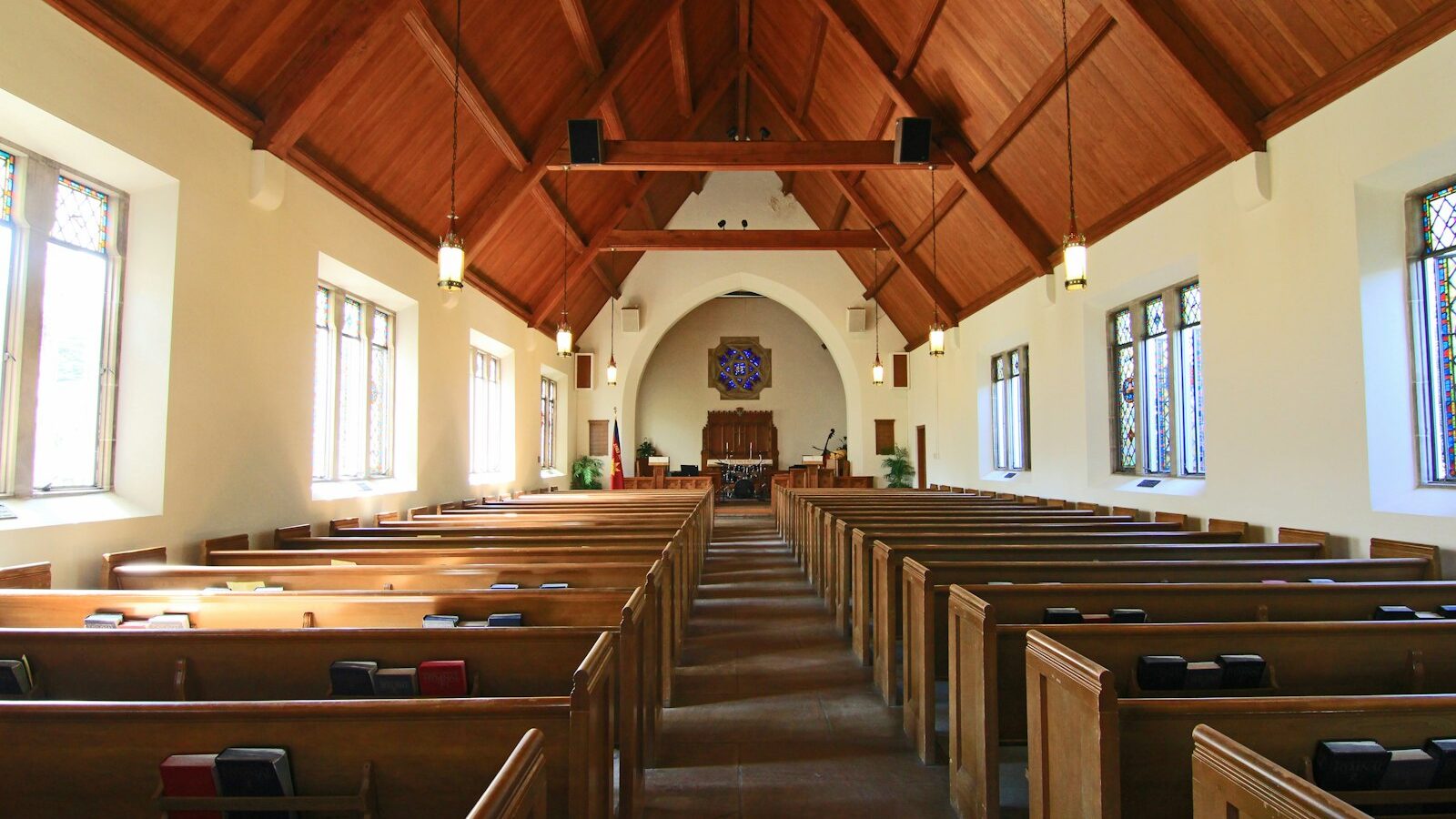
Singapore’s heritage churches are beautiful and historically significant landmarks, reflecting the presence of Christianity and the nation’s rich architectural and cultural heritage. This guide explores the heritage churches of Singapore, their history, architecture and significance.
History and significance
Churches have a long history in Singapore, and several heritage churches stand as important landmarks reflecting the presence of Christianity and the nation’s colonial-era and cultural history. These historic churches, many beautifully preserved, serve as active places of worship and community while also being architectural and historical treasures. They reflect the heritage of the Christian community and contribute to Singapore’s rich religious diversity and built heritage. Historically, churches were focal points for their communities, offering worship, education and social connection, and many continue to play this role today. Understanding the history and significance of these churches illuminates an important dimension of Singapore’s religious and architectural heritage, and the diverse communities that have shaped the nation.
Beautiful architecture
| Feature | Significance |
|---|---|
| Historic architecture | Elegant, often colonial-era design |
| Spires and facades | Distinctive, beautiful features |
| Stained glass and detail | Craftsmanship and beauty |
| Serene interiors | Spaces for worship and reflection |
Singapore’s heritage churches are known for their beautiful, often elegant architecture, many dating from the colonial era and reflecting the architectural styles of their time. Distinctive features such as spires, elegant facades, arches, stained glass and fine detailing make these churches visually striking and architecturally significant. Their serene, beautiful interiors provide spaces for worship, reflection and tranquillity. The architecture reflects craftsmanship, heritage and the styles of the periods in which they were built, contributing to Singapore’s built heritage. Several of these churches are recognised for their historical and architectural value. Appreciating the architecture, from graceful exteriors to serene interiors, enriches an understanding of the churches as both places of worship and treasured heritage landmarks.
Role in the community
Beyond their architectural and historical significance, heritage churches remain active places of worship and community for their congregations. They serve as centres for worship, spiritual life, education, fellowship and community service, embodying the values of faith, compassion and community central to Christianity. Many have long histories of serving their communities and contributing to society, including in areas such as education and social welfare. This active, living role means the churches are not merely historical monuments but vibrant centres of community and faith. Understanding this role illuminates the importance of the churches as living heritage, where worship and community life continue as they have for generations, alongside their significance as historical and architectural landmarks.
Appreciating heritage churches
For those interested in Singapore’s history, architecture and religious diversity, the heritage churches offer much to appreciate. Their beautiful architecture, rich history and serene atmosphere make them rewarding to visit and admire, and several are notable landmarks. Appreciating these churches, whether admiring their architecture, learning their history, or experiencing their serene atmosphere, deepens understanding of Singapore’s multicultural and architectural heritage. As with all places of worship, respectful conduct is important: dressing appropriately, behaving quietly and considerately, being mindful of worshippers and services, and observing any guidelines. Approaching with respect and curiosity honours these sacred and historic spaces and enhances the experience of appreciating an important part of Singapore’s rich heritage.
Part of the multicultural mosaic
Singapore’s heritage churches are part of the nation’s rich multicultural and religious mosaic, standing alongside its temples and mosques as landmarks of faith and heritage. Together, these diverse places of worship reflect the religious diversity and harmony that characterise Singapore, where communities of different faiths coexist and their heritage is valued. The churches contribute to this tapestry, representing the Christian community and adding to the nation’s architectural and cultural richness. Appreciating the heritage churches, alongside the places of worship of other faiths, offers a fuller understanding of Singapore’s diversity and the many threads that make up its heritage. This diversity of faiths and their landmarks is a meaningful and enriching part of the nation’s multicultural story.
The takeaway
Singapore’s heritage churches are beautiful and historically significant landmarks, reflecting the presence of Christianity and the nation’s rich architectural and cultural heritage. As active places of worship and community, and as architectural and historical treasures with their elegant, often colonial-era design, they are living heritage. They play a vibrant role in their communities while standing as notable landmarks. Appreciating these churches, respectfully and with curiosity, deepens understanding of Singapore’s history, architecture and religious diversity. Alongside the temples and mosques, the heritage churches are part of the nation’s rich multicultural and religious mosaic, a meaningful and enduring part of Singapore’s heritage well worth appreciating.
Planning a respectful visit
A little preparation makes visiting a heritage church far more rewarding, and more considerate towards the congregation. Because these are working places of worship rather than museums, access is not always guaranteed on demand, and quiet times outside of services are usually the most comfortable for visitors who simply wish to look around. A few sensible habits go a long way.
- Check opening arrangements first: many churches welcome visitors but keep specific viewing hours, and some open the sanctuary only around service times. Look at the individual church’s own website or contact the parish office before you go, rather than assuming the doors will be open.
- Time your visit around services: avoid arriving in the middle of a Mass, wedding, funeral or private prayer unless you intend to join respectfully. Weekday mornings or early afternoons are often quieter than weekends.
- Dress modestly: covered shoulders and knees are a safe standard for any place of worship in Singapore, and it signals respect even where no formal dress code is posted.
- Ask before photographing: interiors, stained glass and altars are tempting subjects, but check whether photography is allowed, switch off your flash, and never photograph worshippers without permission.
- Keep noise and phones down: speak softly, silence your phone, and supervise children so that anyone praying is not disturbed.
If you would like more context on what you are seeing, some churches offer guided heritage tours or printed information; for buildings that are gazetted, the National Heritage Board is a reliable source for historical background. When in doubt about access or conduct, a polite word with staff or volunteers on site is always the best guide.
Making the most of a heritage trail
Several of Singapore’s oldest churches sit within the Civic District and surrounding central area, which makes it practical to appreciate more than one in a single outing on foot. Pairing a church visit with nearby heritage landmarks, museums or other places of worship gives a fuller sense of how the city’s communities grew side by side. Plan a comfortable pace, factor in Singapore’s heat and sudden showers with water and a small umbrella, and use public transport, as parking near central heritage sites can be limited. Above all, treat each stop as a living community space first and a sightseeing destination second, and the experience will be all the richer.
Explore more: Mosques of Singapore · Buddhist temples of Singapore · Eurasian community and culture