
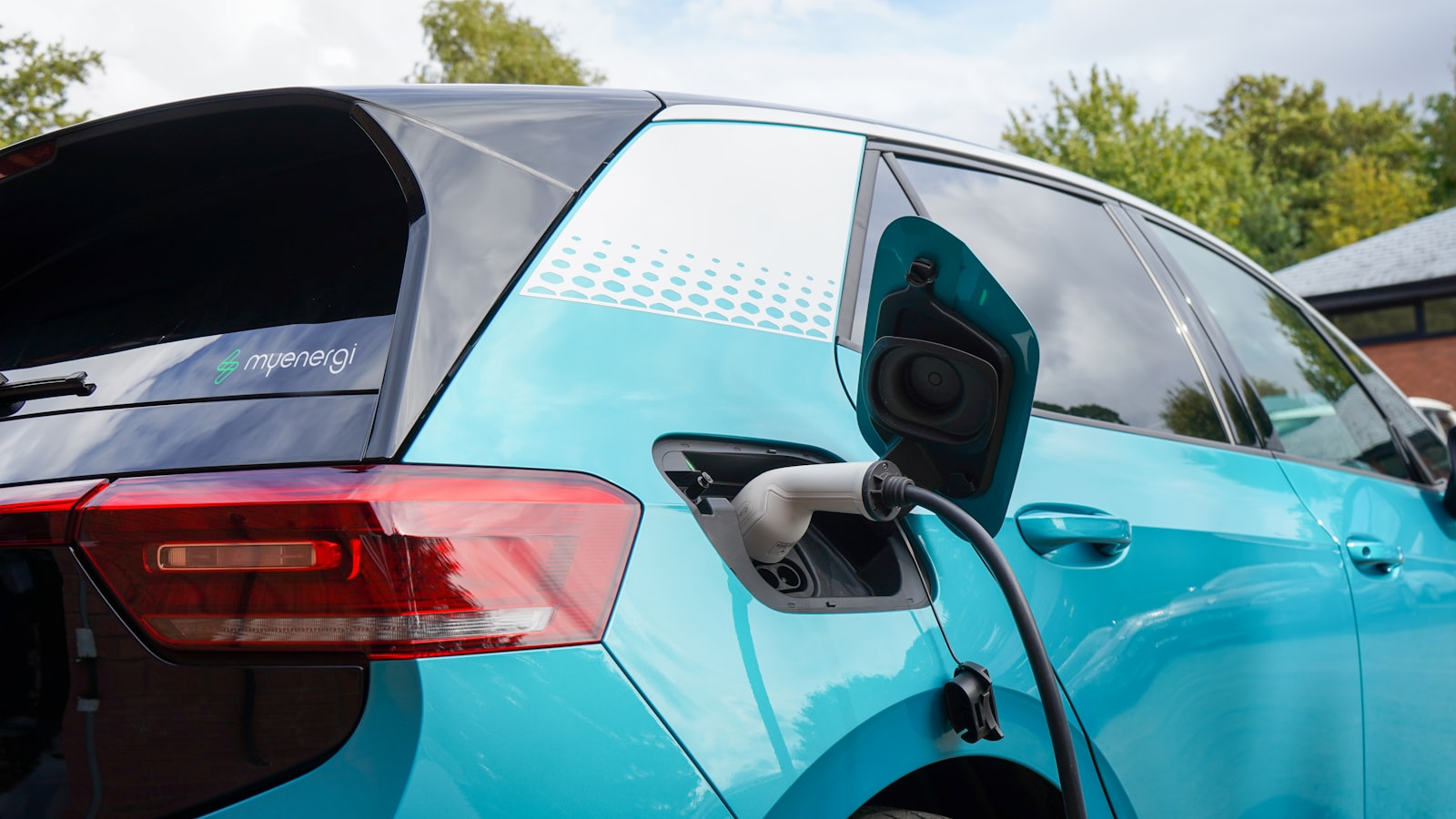
The EV vs petrol debate in Singapore has moved from a fringe question to a real decision that ordinary buyers face on the showroom floor. Electric models now sit next to petrol ones in most dealerships, incentives have nudged more drivers to consider going electric, and charging points keep appearing in carparks across the island. But the honest answer to “which is better” is not a slogan. It depends on where you live, how you drive, how long you plan to keep the car, and how you feel about a technology that is still maturing here. This guide lays out the trade-offs plainly, without hype in either direction, so you can decide with your eyes open. Because taxes, rebates and schemes change often, treat every figure as something to confirm with the official sources rather than a fixed fact.
Upfront Cost and Incentives
Both electric and petrol cars in Singapore carry the same heavy fixed costs that make owning any car expensive here: the Certificate of Entitlement (COE), registration fees and taxes layered on top of the vehicle price. That shared burden matters, because it means the gap between an EV and a comparable petrol car is often smaller than people expect once COE dominates the bill.
Where they differ is in the incentives. The Government has used schemes such as the Vehicular Emissions Scheme (VES) and EV-specific rebates to make cleaner vehicles more attractive at registration. These can meaningfully lower the upfront cost of an eligible EV, but the exact rebate bands, qualifying criteria and expiry dates are adjusted from time to time. Do not assume a rebate you read about last year still applies. Check the current VES bands and EV incentives on the LTA and One Motoring websites before you budget, and ask the dealer to show you the figures in writing for the specific model.
As a rule of thumb, EVs still tend to have a higher list price than an equivalent petrol model, and incentives narrow rather than erase that gap. The real question is whether lower running costs over your ownership period make up the difference.
Running Costs: Electricity vs Petrol
This is where EVs make their strongest case. Charging an electric car generally costs less per kilometre than filling a petrol tank, because electricity is cheaper as an energy source and electric motors are more efficient than combustion engines. Over a year of typical driving, that difference adds up.
The size of the saving depends on how and where you charge. Home or overnight charging at off-peak residential rates is usually the cheapest option, while public fast-charging is more expensive and varies by operator. Petrol costs, meanwhile, swing with global oil prices and pump promotions, and you can soften them with credit-card rebates and loyalty discounts. If you want to squeeze more from a petrol car, our guide on saving on petrol in Singapore covers the practical tactics.
Road tax is calculated differently for the two. Petrol cars are taxed based on engine capacity, while EVs are taxed on power output, and an additional flat component has been used to account for the fuel duty that EV drivers do not pay at the pump. The formulas and rates are set by LTA and revised periodically, so look up the current road-tax method for your specific car rather than assuming one is always cheaper.
Charging vs Refuelling Convenience
Convenience is where petrol still wins for many Singaporeans, and it is the factor most people underestimate. Refuelling a petrol car takes a few minutes at any of hundreds of stations. Charging an EV takes longer, and the experience depends heavily on your living situation.
If you live in a landed home or a condominium with a charger in your parking lot, EV ownership can be effortless: plug in overnight, wake up full. For the many Singaporeans who live in HDB flats and park in public or multi-storey carparks, it is more complicated. Charger availability is improving as more HDB carparks are fitted out, but you may still find yourself planning around shared chargers, occasional queues, or a detour to a fast-charging station. Before buying an EV, physically check what charging exists near your home and workplace, and be honest about whether the routine fits your life.
Range, Resale and Depreciation
Petrol cars are a known quantity. Their range is long, refuelling is instant, and the second-hand market is deep and well understood. EV range has improved a lot and is comfortably enough for daily Singapore driving and even trips up to Malaysia with planning, but cold, hard certainty about long-term battery health and resale value is still building here.
Depreciation is the largest hidden cost of any car in Singapore, EV or petrol, because COE-linked value falls steadily over the car’s life. For EVs there is an added unknown: how well batteries hold up and how buyers will value an older electric car years from now. The market is maturing, but it has less history than petrol. If resale certainty matters to you, weigh that carefully. Our guide on the cost of owning a car in Singapore explains how depreciation quietly dominates the total bill.
The Environmental Angle
On emissions, EVs have a clear edge at the tailpipe: they produce none while driving, which improves local air quality in a dense city. The fuller picture includes how the electricity is generated and the footprint of building the battery, so an EV is cleaner rather than perfectly clean. Still, for a buyer who values lower running emissions and a quieter, smoother drive, the environmental case for going electric is genuine and easy to feel day to day.
EV vs Petrol at a Glance
| Factor | Electric (EV) | Petrol |
|---|---|---|
| Upfront price | Usually higher, softened by incentives | Generally lower list price |
| Incentives | VES and EV rebates may apply (check LTA) | Fewer or none, VES still relevant |
| Running cost per km | Lower, especially charging at home | Higher, tied to oil prices |
| Road tax basis | Power output plus a flat component | Engine capacity |
| Refuel or recharge | Minutes to hours, depends on charger | Minutes at any station |
| Best for HDB dwellers | Depends on nearby charging | Straightforward anywhere |
| Resale certainty | Still maturing here | Deep, well-understood market |
| Tailpipe emissions | None while driving | Yes |
Who Each One Suits
An EV makes strong sense if you have reliable access to charging at home or work, you drive enough that lower running costs matter, you plan to keep the car long enough to recoup the higher upfront price, and you like the smooth, quiet drive. It suits landed and condo residents with a private charger especially well.
A petrol car remains the pragmatic choice if you live in an HDB flat without convenient charging, you value the certainty of instant refuelling and a proven resale market, you drive irregularly, or you simply want the simplest ownership experience. There is no shame in choosing petrol; for many households it is still the sensible fit.
Whichever way you lean, the decision is a big financial commitment, so run the numbers on your own driving pattern rather than a generic average. And if the sums make you hesitate, remember that Singapore’s MRT and bus network makes going car-free a legitimate option too.
Explore More
For a deeper look at going electric, read our guide to electric cars in Singapore. To understand the full financial picture before you commit either way, see the cost of owning a car in Singapore. Always confirm current COE, VES and road-tax figures with LTA and One Motoring, since they change with every review.