
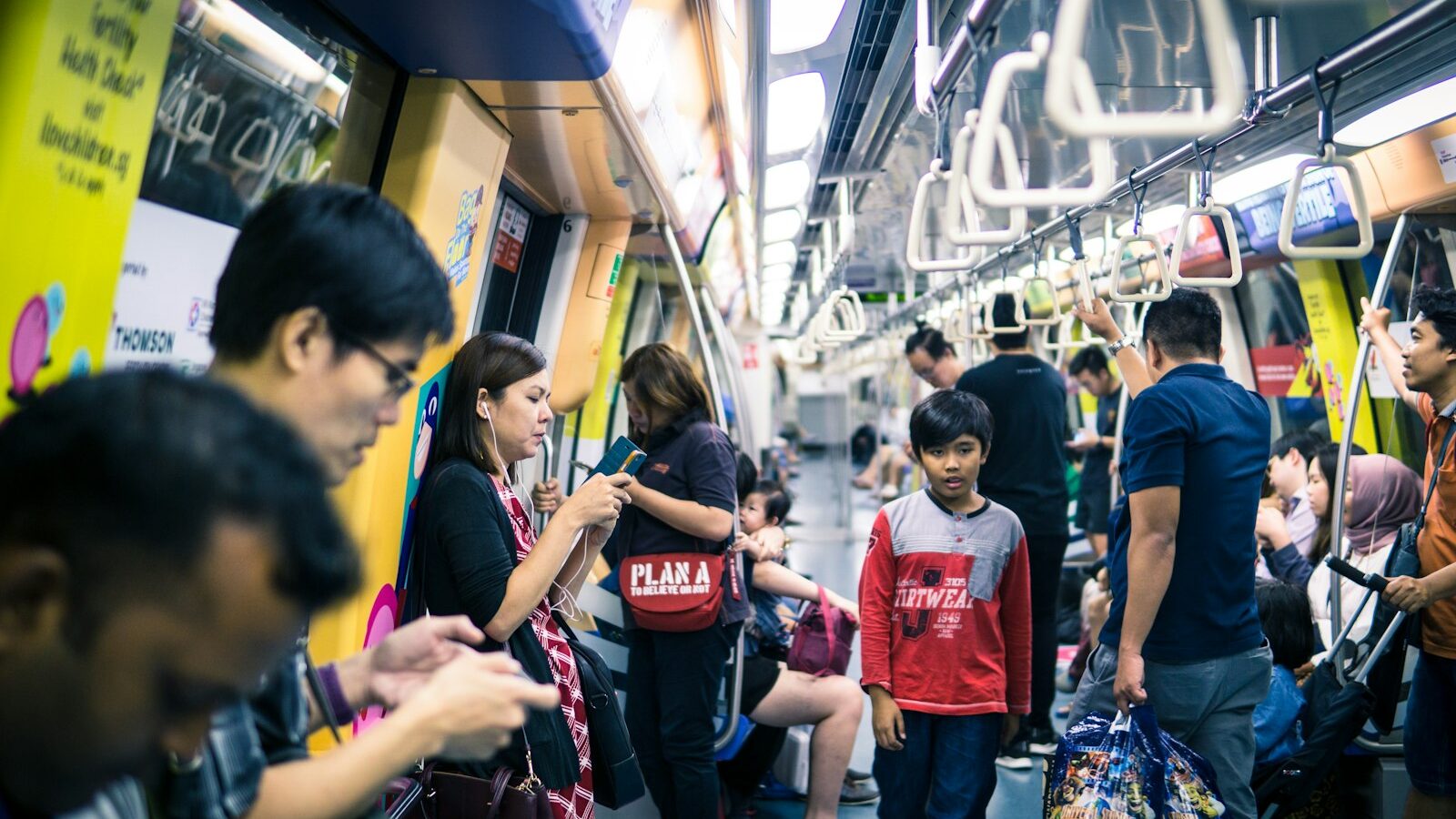
Getting around with a toddler in a stroller or an elderly parent who tires easily is a different challenge from commuting solo. The pace is slower, the planning matters more, and small details like whether a station has a lift can make or break an outing. The reassuring news is that family transport singapore is well catered for: buses and trains are increasingly stroller-friendly, most stations are barrier-free, priority spaces and seats are widely provided, and there are concession schemes for both younger and older travellers. This guide walks through moving around with young children and older family members, from strollers and car seats to concession cards, accessible routes, senior-friendly road crossings, and when hiring a car or a ride is simply the easier call. Because rules and schemes are set officially and updated from time to time, treat the specifics here as a starting point and confirm the current details with LTA.
Getting Around With Young Children
Buses and trains in Singapore are used by families every day, and the system has grown more child-friendly over the years. Many buses are wheelchair-accessible low-floor designs, which also makes them far easier to board with a stroller, and they include a dedicated priority space where a stroller or wheelchair can be secured. Trains have wide gantries and open areas near the doors that give a pram somewhere to sit without blocking the aisle.
A few habits make trips with little ones smoother:
- Travel outside the busiest peak windows when you can, so there is room for a stroller and less jostling.
- Use the priority space on buses and the open areas on trains, and be ready to fold a stroller if it is very crowded or if staff ask.
- Board using the accessible entrance where available, which lines up with lifts and ramps.
- Pack light, keep water handy for the heat, and plan a route with sheltered walkways and toilets.
Whether a stroller must be folded on board can depend on how busy the vehicle is and the operator’s guidance, so check the current rules with LTA or the transport operators if you rely on bringing an open pram.
Child Seats And Rides With Kids
When public transport is not practical, a taxi or a ride-hailing car fills the gap, and here the rules around children differ from riding in a private car. In general, private vehicles in Singapore require children below a certain height to use an appropriate child restraint or booster seat, while taxis have historically been treated differently, and ride-hailing arrangements can vary by operator and the type of booking. Some ride-hailing services offer bookings that come with a child seat fitted, which is worth looking for when you are travelling with an infant or toddler.
Because these requirements around child seats, boosters and exemptions are set in regulation and can change, do not assume the rules from another country apply here. Check the current child-restraint requirements and any taxi or ride-hailing specifics with LTA, and where a service offers a car with a child seat, book that option ahead rather than hoping one is available on the day.
Concession Cards And Accessible Journeys
Both older travellers and children are catered for by concession schemes, which can make regular trips noticeably kinder on the wallet. There are concession cards aimed at seniors and separate arrangements for children and students, each with its own eligibility and application process. Rather than quoting figures that shift, the sensible move is to apply for the right card and let the discounted fare apply automatically when you tap in. The eligibility, fares and application steps for senior, child and student concessions are all administered officially, so check the current concession schemes and how to apply with LTA or the transit card provider.
Accessibility is the other half of a good family journey. Nearly all MRT stations are barrier-free, with lifts, ramps and wide fare gates, so a stroller or a wheelchair can get from street to platform without stairs. When planning an outing, look up which station exits have lifts, because a station can have several exits and not all lead to the same street level conveniently.
| Traveller need | Suitable option |
|---|---|
| Baby or toddler in a stroller | Low-floor accessible bus or MRT with priority space, travel off-peak |
| Infant in a taxi or private car | Appropriate child restraint or a ride-hailing booking with a fitted child seat |
| Senior who tires on long walks | Concession card, lifts and ramps, and shorter route with rest stops |
| Wheelchair or mobility aid user | Barrier-free stations with lifts, accessible buses, step-free routes |
| Crossing wide roads slowly | Green Man Plus crossings that extend the green time |
| Heavy shopping or several young kids | Taxi or ride-hailing door to door when the trip is complex |
Senior-Friendly Crossings And Outings
Roads can feel intimidating for older pedestrians, especially at wide junctions where the crossing time is tight. To help, many crossings support a scheme, commonly known as Green Man Plus, that lets eligible seniors tap their concession card at the traffic-light pole to add extra crossing time. It is a small feature that makes a real difference to confidence on the daily walk to the market or the coffee shop. Where a senior in your family walks a regular route, it is worth checking whether their crossings offer this and how to use it, with details confirmed through LTA.
When planning outings with older relatives, think in terms of comfort rather than the shortest line on the map. Favour routes with lifts over stairs, build in places to sit and rest, avoid the hottest part of the day, and keep the walking segments short. Priority seats near the doors on buses and trains are there for exactly these travellers, and most commuters will give them up when asked. A well-planned trip that takes a few minutes longer but avoids stairs and crowds is almost always the better outing.
When A Car Or A Booked Ride Is Worth It
Public transport handles most family trips well, but there are times when a car or a booked ride simply makes life easier. A supermarket run with two small children and a week of groceries, a rainy-day medical appointment with an elderly parent, or an outing to somewhere poorly served by trains are all cases where door-to-door beats a multi-leg journey. You do not need to own a vehicle to get this benefit, since a taxi, a ride-hailing booking, or an occasional car rental covers the odd trip far more cheaply than the full cost of ownership. The money-smart approach is to lean on public transport for everyday journeys and reserve a car or a booked ride for the trips where the convenience genuinely earns its cost.
Explore more
For the practicalities of booking a car with a driver, including when it beats the train for a family, see our guide to taxis and ride-hailing in Singapore. And for everyday journeys with kids or grandparents, our commuting tips for Singapore cover timing, apps and staying comfortable in the heat and rain.