
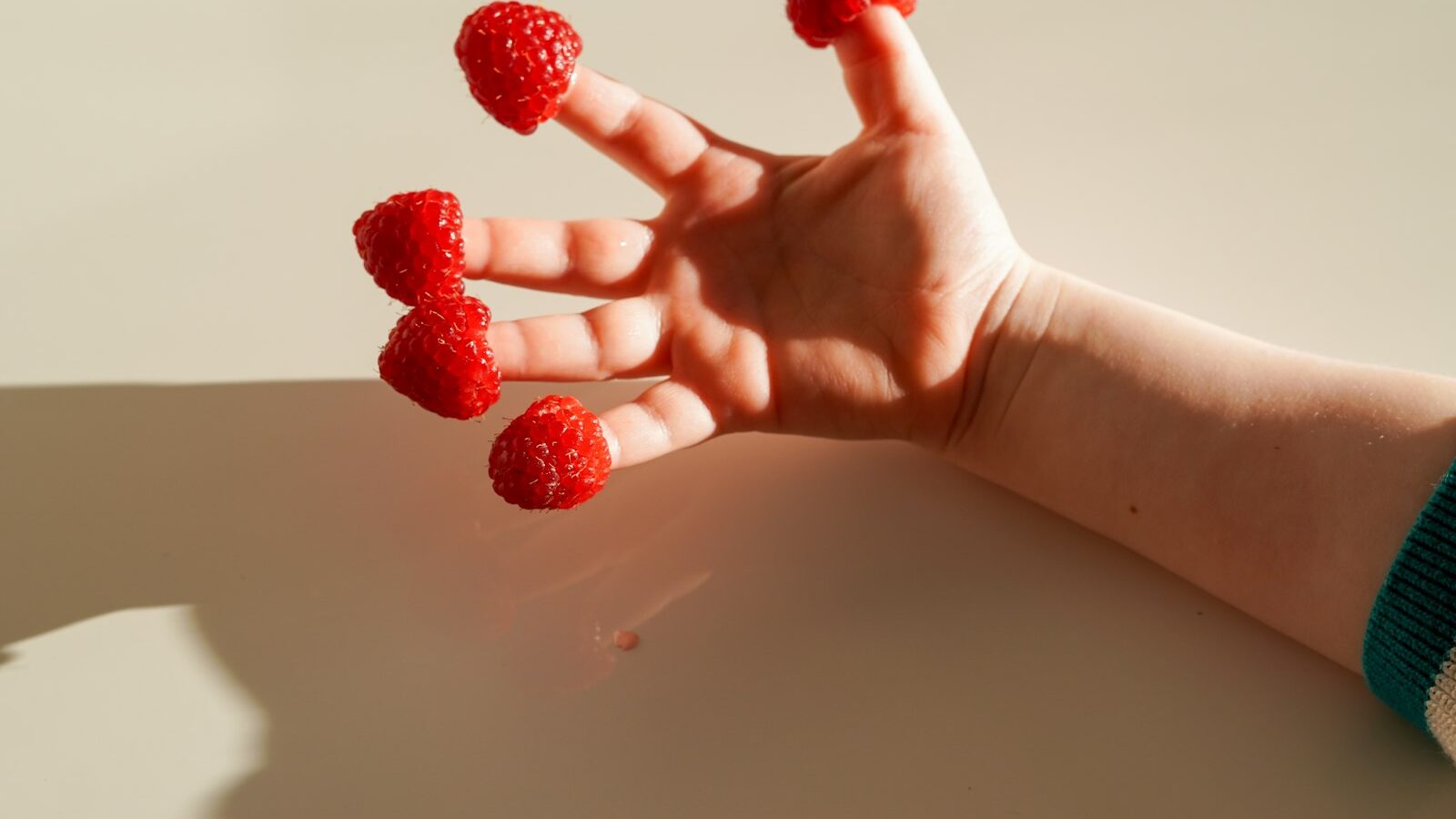
Watching your little one pick up a piece of food and bring it to their mouth for the first time is a proper milestone. It is messy, slow and wonderful all at once. If you are searching for finger foods for babies singapore families can prepare confidently, the most important thing to get right is safety. Good finger foods are not just about nutrition and variety, they are about serving the right shapes and sizes so your baby can learn to self-feed without choking. This guide puts food safety first, then moves on to practical ideas you can try at home.
Safety First: Choking Hazards and Safe Shapes
Before you think about what to offer, think about how to offer it. Babies are still learning to move food around their mouths, so the way you cut and cook food matters enormously.
Some foods are common choking hazards and should be avoided or carefully modified for babies and young toddlers:
- Whole nuts and large chunks of nut. Offer smooth nut butter spread thinly instead, once allergens have been introduced safely.
- Whole grapes, cherry tomatoes and blueberries. Quarter them lengthways so they are no longer round and firm.
- Hard raw pieces such as raw carrot, raw apple or firm pear. Steam or grate them until soft.
- Round, firm or coin-shaped foods like whole sausages or hot dogs. These are best avoided, and any similar food should be cut into small, non-round pieces.
- Popcorn, hard sweets, marshmallows and chunks of hard cheese.
- Sticky foods and large blobs of thick spread that can clump at the back of the mouth.
As a general rule of thumb, soft foods should be cut into finger-length strips a baby can grip, roughly the size of an adult finger, and softer or smaller pieces should be no larger than what your baby can manage. A good test is whether you can squash the piece between your thumb and forefinger. If it does not give way easily, it is probably too hard.
Always supervise your baby closely at every meal. Sit them upright in a high chair, never let them eat while lying back, walking, crawling or in a moving pram or car, and never leave them alone with food, even for a moment. Avoid distractions like screens at the table so you can watch how they are coping.
Gagging Versus Choking, and Why First Aid Matters
Many parents panic the first time their baby gags, but gagging and choking are not the same thing. Gagging is a normal, protective reflex that pushes food forward when it goes too far back. Your baby may go red, make a retching noise, cough or splutter, and then recover on their own. It looks alarming but it is the body doing its job, and the best response is usually to stay calm and let them work it through.
Choking is different and much quieter. A choking baby cannot cry, cough or make much sound because the airway is blocked. They may go silent, look distressed, and their colour may change. This is an emergency. Because seconds matter, the single most useful thing you can do as a parent is to complete a certified paediatric first-aid course before you start solids, so you know how to respond with confidence. You can read more in our guide to family first aid and emergency preparedness. In any real emergency in Singapore, call 995 immediately.
Easy First Finger Foods to Try
Once you are set up for safety, finger foods become one of the most enjoyable parts of weaning. Start simple and let your baby explore. Soft, easy first options include:
- Steamed soft vegetable sticks such as sweet potato, carrot, pumpkin, broccoli florets with a stalk to hold, and courgette.
- Soft ripe fruit like banana, papaya, mango and steamed apple or pear, cut into grippable pieces.
- Well-cooked soft pasta shapes and soft rice.
- Strips of omelette or scrambled egg, once egg has been introduced.
- Soft flaked fish with every bone carefully removed.
- Toast fingers or soft roti spread thinly with a suitable spread.
Singapore parents have a wonderful pantry to draw on, from soft tofu and steamed fish to well-cooked porridge textures your baby can pick up. Just watch the salt, sugar and any hard or bony bits. If grandparents or a helper share the feeding, make sure everyone follows the same cutting and supervision rules so your baby is safe no matter who is at the table.
Building Variety and Confidence Over Time
Finger foods are as much about learning as eating. In the early weeks, much of the food ends up on the floor, the tray and your baby, and that is completely normal. Let your baby set the pace, offer a small range of textures and colours, and try not to worry if some days they eat very little. Appetite naturally varies, especially during teething or a growth spurt.
Keep offering foods even after early refusals, as it can take many tries before a baby accepts something new. For more on textures and progressing through weaning, see our guides to introducing solids and weaning and making your own baby food at home. If your baby regularly refuses to eat, is losing weight, or you have concerns about swallowing or development, speak to your paediatrician or a doctor.
A Practical Wrap-Up
Finger foods should be an unhurried, joyful part of your baby’s day. Get the safety basics right first, cut food into safe shapes and sizes, avoid the well-known choking hazards, supervise every mouthful, and learn the difference between gagging and choking. Take a paediatric first-aid course so you feel ready, then relax and enjoy watching your little one discover new tastes at their own pace.