
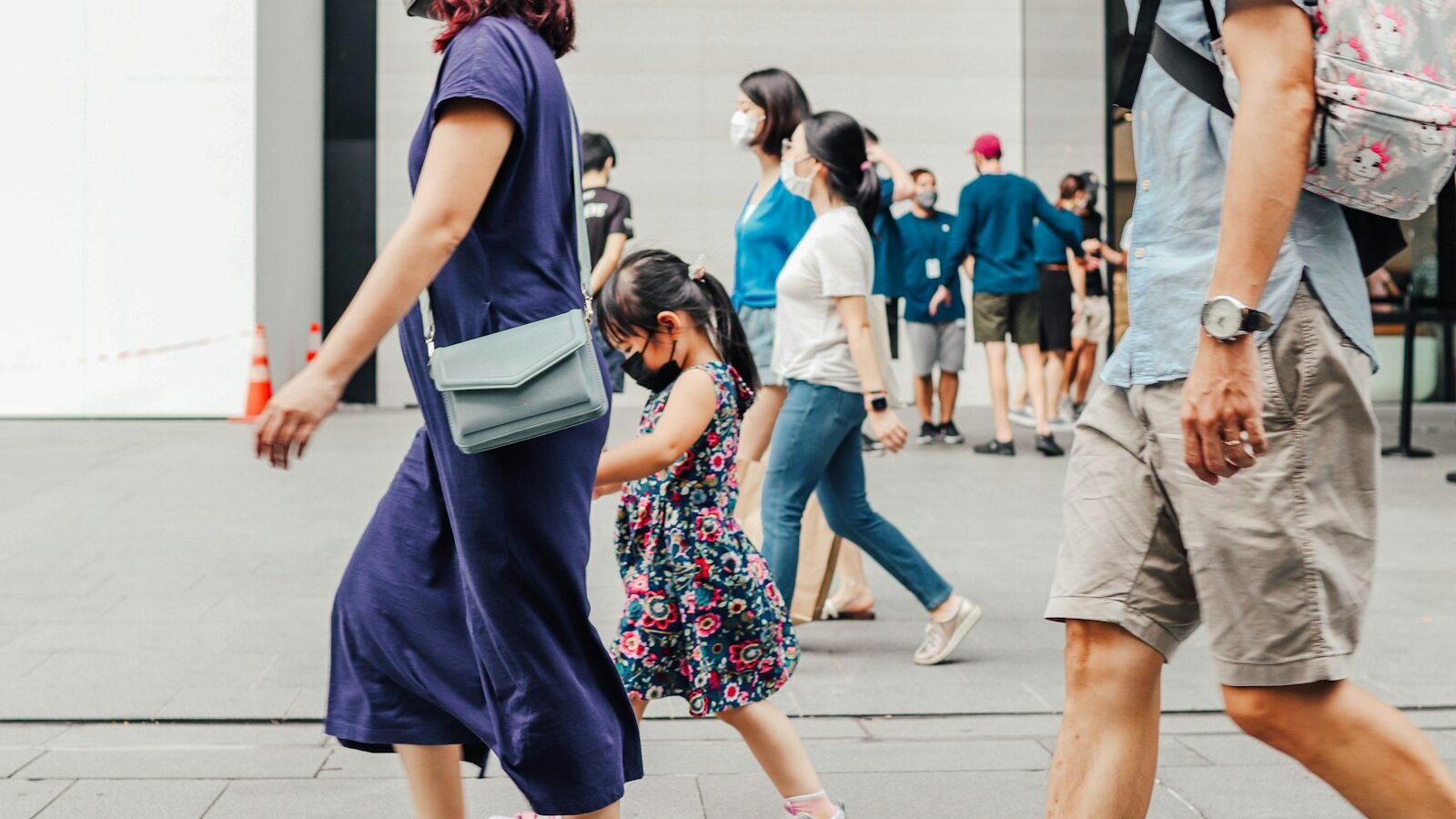
Many parents notice that their toddler’s feet look completely flat and wonder whether something is wrong. In reality, flat feet in children singapore parents worry about are usually a normal stage of development rather than a problem to fix. This article offers general information to help you understand what is typical, not medical advice, and it is not a way to diagnose your child at home. If you have concerns about your child’s feet, walking, or comfort, a doctor or paediatrician is the right person to assess them.
Why Most Young Children Have Flat Feet
Babies and toddlers are born with a fatty pad in the arch of the foot, and the arch itself develops gradually over the early years. This means it is completely normal for a small child’s feet to look flat, especially when standing. As children grow, become more active, and their muscles and ligaments strengthen, an arch usually appears, often by the primary-school years. Many adults who had flat feet as children go on to have perfectly typical feet.
This kind of flat foot is called flexible, which means an arch appears when the child is on tiptoe or sitting and flattens again when they stand. Flexible flat feet that do not cause pain are generally not a cause for concern and do not need special shoes, insoles, or treatment. Feet are wonderfully adaptable, and children who run, climb, and play barefoot on safe surfaces are giving their feet good, natural exercise.
Flat Feet and Learning to Walk
New walkers often look flat-footed, bow-legged, or a little unsteady, and their gait changes a great deal in the first couple of years on their feet. This is all part of normal development. Soft, flexible, well-fitting shoes are usually all that is needed once your child is walking outdoors, and barefoot time indoors helps their feet develop strength and balance. Our guide to helping your baby learn to walk explains what to expect as those first steps turn into confident toddling.
As children grow and start school, comfortable, properly fitting footwear matters more, especially with all the walking and play a school day involves. Shoes that are too tight, too loose, or worn out can cause discomfort regardless of foot shape, so it is worth checking the fit as their feet grow.
Keeping Active Feet Healthy
Active play is one of the best things for developing feet. Running, jumping, balancing, and climbing all build the muscles that support the arch and improve coordination. In our warm climate, aim for active play in cooler parts of the day and choose safe surfaces for barefoot time at home. Our guide to keeping your kids active in Singapore has ideas for keeping children moving whatever the weather.
Sometimes children complain of tired or achy legs after a busy day, which is common and often nothing to worry about. If leg aches are becoming a regular evening event, our guide to growing pains in children may be a helpful read, and a doctor can advise whether the feet or anything else is involved.
When to See a Doctor
While most flat feet are normal, some signs mean your child should be checked. Please see a doctor or paediatrician if your child:
- Has foot, ankle, or leg pain, or complains that their feet hurt.
- Has feet that stay rigidly flat even on tiptoe, which may be a stiff rather than flexible flat foot.
- Has flat feet on one side only, or feet that look very different from each other.
- Walks awkwardly, tires very quickly, avoids activity, or seems clumsy compared with their peers.
- Wears out shoes in an unusual or very uneven way.
- Has feet or ankles that turn in or out markedly, or any change that worries you.
A doctor can examine how the foot moves, watch your child walk, and decide whether any assessment or support is needed. Please do not buy special insoles or corrective shoes based on internet advice, as most children do not need them, and the wrong choice can be uncomfortable and costly. For persistent pain or anything that concerns you, a professional opinion is always the right step.
A Reassuring Wrap-Up
For the great majority of children, flat feet are simply part of growing up and cause no problems at all. Comfortable shoes, plenty of active play, and time are usually all that is needed as the arch develops naturally. The things to watch for are pain, stiffness, a one-sided difference, or difficulty keeping up with other children, and those are worth a doctor’s opinion. If you would like a regular doctor who knows your child, our guide to choosing a paediatrician in Singapore can help you find one. With that reassurance, you can let your child run, jump, and explore with a lighter heart.