
Eating your way around the island is one thing; understanding what you are eating, and learning to make it yourself, is another pleasure entirely. Booking cooking classes singapore residents and visitors both enjoy, alongside a good food tour, turns a meal into a story you can retell at your own stove. Tours show you where dishes come from and how locals order; classes put a wok or a mortar in your hands. This guide walks through the main formats, what a session typically involves, how to pick one that suits you, and how to keep the skills alive after you go home.
Why Pair A Tour With A Class
A food tour and a cooking class solve different problems, and together they cover the whole arc of a dish. A tour answers where and why: which stall does one thing well, how a hawker centre is laid out, what to order first, and how flavours differ between communities and neighbourhoods. A class answers how: the order you add aromatics, the heat you cook at, the balance of sweet, salty, sour and spicy that makes a sauce sing. Do the tour first and you arrive at the class already knowing what the finished dish should taste like.
There is also a social side. Tours are led by guides who tend to be generous with the small stories that never make it into recipes, from dialect names to the etiquette of sharing a table. Classes are hands-on and sociable, often ending with everyone eating what they cooked. Both are friendly to solo travellers and to groups, and both reward curiosity more than any existing skill in the kitchen.
The Main Types Of Food Tours
Food tours in Singapore come in a few recognisable shapes, and knowing them helps you book the right one:
- Hawker centre tours. A guide walks you through one or more centres, explaining the stalls, the ordering system and the classic dishes, usually with several tastings along the way. These are the gentlest introduction for newcomers.
- Neighbourhood and enclave tours. These focus on a single area and its food culture, tracing how a community’s cooking shows up on the plate. They pair naturally with heritage walking.
- Market tours. Early-morning visits to a wet market show you the raw ingredients, the seafood and produce, and how cooks shop before they cook. These often lead straight into a class.
- Theme tours. Some tours follow one thread, such as breakfast, supper, sweets or drinks, and go deep on that single subject across a few stops.
A good tour leaves you able to walk into a hawker centre on your own and order with confidence. To prepare, our must-try hawker food guide and hawker centres guide give you the vocabulary before you even set off.
What A Cooking Class Is Actually Like
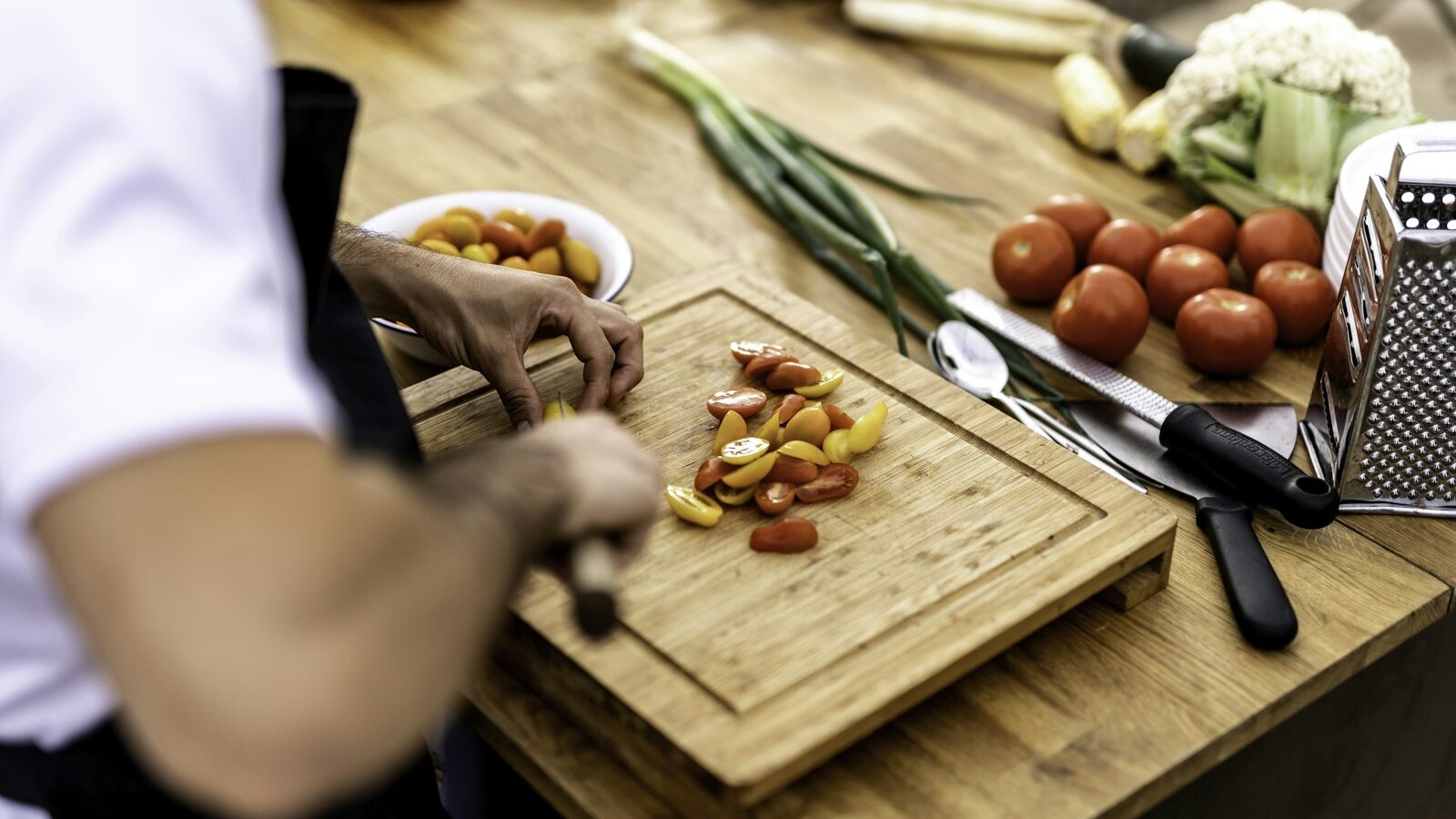
Most classes follow a familiar rhythm. You gather, meet the instructor, and often start with a quick briefing on the dish and its ingredients. Some classes begin with a market visit so you see and smell the components first. Then comes the hands-on part: preparing a spice paste, controlling a hot wok, folding or wrapping, and plating. You usually eat the results together at the end, and you take home the recipes.
Classes vary in how much you do yourself. In a fully hands-on class each person or pair cooks their own portion. In a demonstration-style class the instructor cooks while you watch, taste and take notes, which suits people who want to learn without the pressure of the stove. Group sizes range from intimate home kitchens to larger studio spaces. Dishes on offer span the local spectrum, from Peranakan and Chinese home cooking to Malay and Indian staples and local sweets, and many instructors will happily adjust spice levels or suggest substitutions for cooking back home.
Choosing The Right Experience For You
The table below compares the common formats so you can match one to your time, budget and goals. Prices, durations and availability change constantly and vary by provider, so treat these as general shapes and always confirm current details when you book.
| Format | Best for | Typical duration | You get |
|---|---|---|---|
| Hawker food tour | First-timers and visitors | A couple of hours | Orientation, tastings and ordering confidence |
| Market plus class | Keen home cooks | Half a day | Ingredient know-how then a cooked dish |
| Hands-on cooking class | People who want to make it themselves | A few hours | A dish cooked yourself, plus recipes |
| Demonstration class | Watchers and note-takers | A couple of hours | Technique and tasting without the workload |
| Theme tour | Repeat visitors and enthusiasts | A couple of hours | A deep dive on one food subject |
A few practical questions sharpen the choice. How much do you want to cook versus watch? Do you have dietary needs, such as halal or vegetarian, that the class must accommodate? Is the session in English or bilingual? And how far is the venue from where you are staying? Asking these before you pay saves disappointment on the day.
Getting The Most From The Day
A little preparation pays off. Wear comfortable clothes and closed shoes for the kitchen, and come hungry but not stuffed. Take photographs of each step, not just the finished plate, because the sequence is what you will forget first. Ask why as often as how: why toast the spices, why add salt at that moment, why rest the dish before serving. Instructors love these questions and their answers are the part no printed recipe captures.
If your class includes a market visit, treat it as a lesson in shopping as much as cooking. Learning to judge freshness and to recognise the right cut or the right chilli is a skill you carry into every future meal. Our wet markets guide is a useful companion for that part of the day, and if you would rather source ingredients yourself afterwards, our guide to shopping for local ingredients points you to the right places.
Turning A Lesson Into Home Cooking
The real value of a class shows up weeks later, at your own stove. To make it stick, cook the dish again within a few days while the muscle memory is fresh, then again a fortnight on to test what you remember. Keep the recipe card somewhere you will see it, and note your own adjustments in the margin. Stock a few key pantry items so you are never one missing ingredient away from giving up, and photograph your attempts so you can see them improve.
Cooking classes singapore providers offer are at their best when they become the start of a habit rather than a one-off souvenir. Combine what you learn with regular eating out, so your palate keeps teaching your hands, and before long you will be cooking a proper plate of local food for friends, telling them the small stories your guide told you.
Explore More
Build your appetite and your knowledge with our must-try hawker food in Singapore and the hawker centres guide. To source what you cook, see shopping for local ingredients in Singapore, and for the stalls behind the recipes, our heritage hawker stalls guide is a fine next read.