
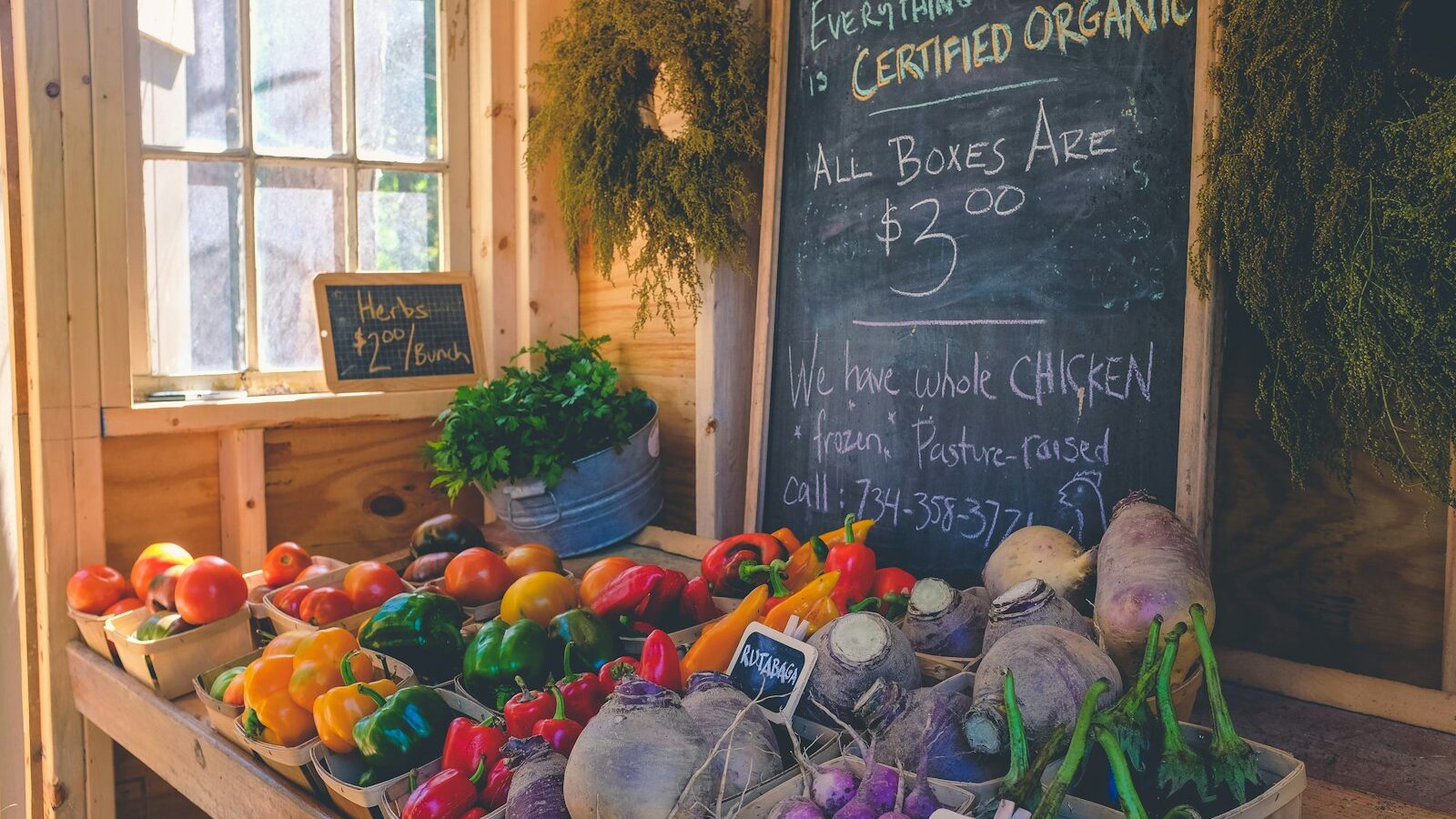
Cooking Singapore food at home starts long before the wok goes on the fire. It starts with the shopping. Knowing where to buy local ingredients in Singapore, and how to pick the good ones, is half the battle, and it is a skill that newcomers and even longtime residents keep refining. This guide walks you through the main places to shop, what each does best, and how to fill a pantry that lets you cook across the many cuisines that share this island.
The good news is that Singapore is unusually well stocked. Within a short bus ride you can find fresh chillies, curry leaves, pandan, fresh noodles, tofu in a dozen forms, and spices from across Asia. The trick is matching the ingredient to the right shop, because no single place does everything well.
Wet Markets for Freshness and Value
The wet market is where many home cooks still buy their fish, meat, vegetables, and aromatics. Produce turns over quickly, so what you see in the morning was often delivered that same day. Stallholders cut, clean, and portion to order, and they will happily tell you what is good today and what to leave alone.
A few habits help you shop well here:
- Go early. The best seafood and the freshest greens tend to appear first, and popular stalls sell out.
- Bring your own bag and small notes. Many stalls prefer cash and cannot always break large notes early in the day.
- Ask questions. If you are new to a fish or a leafy green, the auntie or uncle behind the counter is usually glad to explain how to cook it.
- Buy aromatics loose. Ginger, garlic, shallots, lemongrass, galangal, and chillies are often cheaper and fresher than the pre-packed supermarket versions.
Wet markets are also the easiest place to buy in the small quantities a home cook actually needs, such as two fish, a handful of prawns, or a single knob of turmeric. For a fuller walkthrough of how these markets work, see our dedicated guide linked at the end.
Supermarkets and Where They Shine
Supermarkets cover the everyday backbone of a Singapore kitchen: rice, cooking oil, sauces, canned goods, eggs, dairy, and a reliable spread of vegetables. Larger chains carry a broad range of local and regional products, while premium outlets lean towards imported and specialty items. Smaller neighbourhood supermarkets are handy for last-minute basics and often stock the sauces and pastes that local cooking leans on.
Supermarkets win on convenience, air-conditioning, fixed pricing, and long opening hours. They are the sensible place to buy shelf-stable staples in bulk. For very fresh seafood or the widest choice of local greens and aromatics, though, a wet market or a specialty shop usually does better.
Specialty and Enclave Shops
Some ingredients are best hunted down in the shops that specialise in them. The historic enclaves are a treasure map here. Little India is the place for whole and ground spices, lentils and dals, fresh curry leaves, banana leaves, and ghee, often sold at keen prices and in generous quantities. Chinatown carries dried goods, mushrooms, preserved vegetables, sauces, and the tools of Chinese cooking. Kampong Glam and the Malay-Muslim shops stock ingredients for Malay and Indonesian dishes, from belacan to fresh turmeric and kaffir lime.
Beyond the enclaves, look out for:
- Tofu and soya shops, for fresh beancurd, tau kwa, tau pok, and soya milk.
- Fresh noodle makers, for yellow noodles, kway teow, and mee pok that beat the packaged kind.
- Dried goods stores, for ikan bilis, dried shrimp, dried mushrooms, and preserved items.
- Provision shops in older estates, which quietly stock hard-to-find pastes and sauces.
These shops reward a bit of exploring. Buy a little, ask how it is used, and build your confidence one ingredient at a time.
Where to Buy What
Different ingredients have a natural home. This table gives a quick sense of where each type of shopping usually pays off, though there is plenty of overlap in practice.
| Ingredient type | Best place to buy | Why it works there | Watch out for |
|---|---|---|---|
| Fresh fish and seafood | Wet market | Daily delivery, cleaned to order | Go early, quality varies by stall |
| Fresh vegetables and aromatics | Wet market or specialty shop | Freshness, loose quantities, low prices | Bring cash, seasonal gaps |
| Spices, lentils, curry leaves | Little India shops | Wide range, keen prices, bulk options | Buy whole spices to keep them fresh |
| Rice, oil, sauces, canned goods | Supermarket | Fixed prices, bulk, convenience | Higher cost for premium imports |
| Tofu and fresh noodles | Specialty makers | Made fresh, better texture | Short shelf life, use quickly |
Use it as a starting point rather than a rule. Many home cooks stitch a weekly shop together from two or three of these sources.
Building a Local Pantry
A well-stocked pantry means you can cook on a whim rather than shopping for every meal. Local kitchens tend to keep a core set of staples on hand. Aim for a base of light and dark soy sauce, oyster sauce, fish sauce, sesame oil, and a neutral cooking oil. Add dried aromatics such as ikan bilis, dried shrimp, and dried mushrooms, plus a jar or two of chilli paste or sambal. Round it out with rice, a few types of noodles, and pantry spices like white pepper, coriander, cumin, and turmeric.
For fresh items, a rolling stock of garlic, shallots, ginger, chillies, and spring onions covers a huge share of everyday dishes. Buy these in modest amounts so they do not spoil, and top up on your next market run. If you want a deeper checklist of what to keep in the cupboard, our pantry ingredients guide breaks it down further.
A quick word on specifics: prices, stall names, and what is in season shift constantly, so treat any single recommendation as a snapshot. The reliable skill is knowing which type of shop to head to, then trusting your eyes, your nose, and the stallholder’s advice on the day.
Shopping Like a Local
Locals rarely do one big weekly haul and nothing else. The rhythm is often a mix: staples and shelf goods from the supermarket, fresh fish and greens from the wet market a couple of times a week, and a special trip to an enclave shop when a recipe calls for something particular. Shopping this way keeps produce fresh, spreads the cost, and turns marketing into a small pleasure rather than a chore.
Start where you are comfortable, then push outward. Try one new stall, one new vegetable, or one new sauce each time. Before long you will have a mental map of the island’s kitchens, and cooking Singapore food at home will feel like second nature.
Explore more
For hands-on tips on navigating the stalls, read our wet markets guide, and to stock your cupboard well, see the local pantry ingredients guide. If you want to cook alongside others first, our roundup of food tours and cooking classes is a friendly place to begin.