
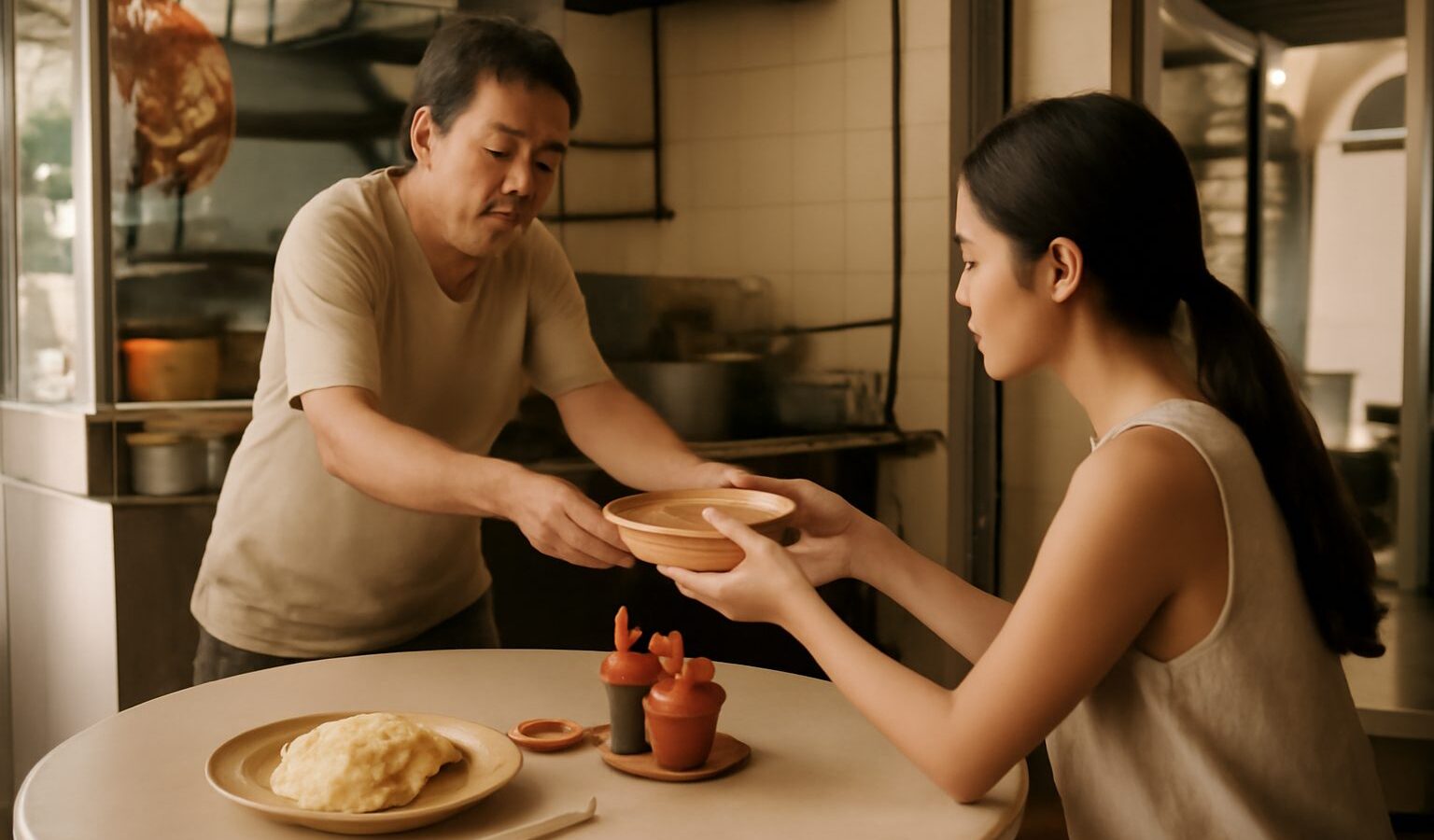
Some of the best plates of food in this city come from stalls that have been cooking the same dish, the same way, for decades. Heritage hawker stalls in Singapore are the ones run by aunties and uncles who learned a recipe from a parent or a former boss, refined it over years of daily practice, and never really changed the formula because it was already right. Seeking these stalls out is one of the great pleasures of eating here. This guide is about what makes an old stall special, how to recognise one, and how to enjoy and support them without treating them like a museum exhibit. Rather than name specific stalls, which change hands and locations over time, the aim is to help you find your own.
What Makes a Heritage Stall Special
The magic of a long-running stall is rarely one single thing. It is the accumulation of small decisions made thousands of times. A cook who has fried the same noodles for years knows the exact moment the wok is hot enough, how the sauce should smell as it hits the pan, and when to stop. That kind of instinct cannot be written into a recipe card. It lives in the hands.
There is also the matter of narrowness. Many older stalls do one thing, or a very short list of things, and nothing else. A stall might sell a single style of noodle or one kind of rice dish and be closed the moment it sells out. That focus is a feature, not a limitation. When a cook has spent a working life perfecting one dish, every plate benefits from it.
Finally, there is memory. Heritage stalls carry the flavours that regulars grew up with. For many people, a particular bowl of soup or plate of noodles tastes like childhood, like a grandparent’s kitchen, like a neighbourhood that may have changed around it. Eating there is partly about the food and partly about holding on to something.
How to Recognise an Old-School Stall
You do not need insider knowledge to spot a stall with history. A few honest signals tend to line up:
- A short, unchanging menu. One or two dishes done well, often with no photos and no frills.
- A long, patient queue of regulars. Locals of all ages willing to wait, many of whom clearly know the cook.
- Handwritten or well-worn signage. Faded boards, old-style lettering, and equipment that has obviously seen years of service.
- A cook who works with quiet efficiency. No wasted movement, no need to check anything, everything by feel.
- Cash-first, no-nonsense service. Focus is on the food, not the frills, though many stalls now accept cashless payment too.
- Selling out and closing early. A stall that shuts once the day’s batch is gone is usually cooking in limited quantities for a reason.
None of these guarantees greatness on their own, but when several appear together you are usually looking at a stall worth trying. Trust the crowd, and trust your nose.
Where to Look and When to Go
Older stalls tend to cluster in the places that have been around the longest. Mature housing estates, older hawker centres, and long-standing coffee shops in established neighbourhoods are all good hunting grounds. Wet market and hawker complexes in the heartlands often hide veterans who have quietly fed the same community for a generation or more. Exact locations shift as leases change and centres are renovated, so treat these as directions to explore rather than a fixed map, and check current details before making a special trip.
Timing matters more than newcomers expect. Many traditional stalls open early and are built around breakfast and lunch, then close in the early afternoon once they sell out. Others are supper specialists that only come alive late at night. If a stall is famous for a morning dish, going at dinner time may mean a closed shutter. When in doubt, go early, go hungry, and be ready to queue.
Here is a rough sense of where different kinds of heritage stalls tend to live and when to catch them.
| Kind of heritage stall | Where you often find it | Best time to go | What to expect |
|---|---|---|---|
| Traditional breakfast stall | Older coffee shops and hawker centres | Early morning | Toast, eggs, kopi, quick queues |
| Classic noodle specialist | Heartland hawker complexes | Late morning to lunch | One signature bowl, sells out |
| Old-school rice or roast stall | Long-standing food centres | Lunch | Long queues, limited daily batch |
| Supper-time veteran | Neighbourhood coffee shops | Late night | Wok dishes, lively crowd |
Times and locations vary from stall to stall and change over the years, so use this as a starting point and confirm before you go.
Eating and Supporting Them the Right Way
Enjoying a heritage stall well is partly about attitude. These are working businesses run by people who take real pride in their craft, not attractions staged for visitors. A little respect goes a long way.
- Order the signature dish. If a stall is known for one thing, that is what to get. It is what the cook wants to make and what they make best.
- Be patient in the queue. Good food from a small kitchen takes time. The wait is part of the deal.
- Have your order ready. A clear, simple order keeps the line moving and respects the cook’s rhythm.
- Pay attention to how locals eat it. The right condiment, the right side, the right way to mix a bowl can all lift the dish. Watch and follow.
- Come back. The single most useful thing you can do is become a regular. Steady custom is what keeps an old stall alive.
It is worth being honest that this is a fragile part of the food scene. Many veteran hawkers are ageing, rents and costs move, and not every stall has a younger family member willing to take over the long hours. Some recipes will inevitably fade, while a growing number of second-generation cooks are choosing to carry the family trade forward. That mix of loss and renewal is exactly why seeking these stalls out matters. Every plate you buy is a small vote for the food and the skill continuing.
So make it a habit. Wander an older hawker centre with no fixed plan, follow the longest local queue, order the one dish the stall is proud of, and let the cooking speak for itself. The names and addresses will keep changing over the years, but the pleasure of finding a great old stall for yourself never does.
Explore more
To go deeper, pair this with our hawker centres guide and our roundup of must-try hawker food so you know what to order when you find a gem. Learn the unwritten rules first with our hawker centre etiquette piece, and for regional and dialect roots behind many classic dishes, read our dialect food guide and browse Michelin and Bib Gourmand picks.