
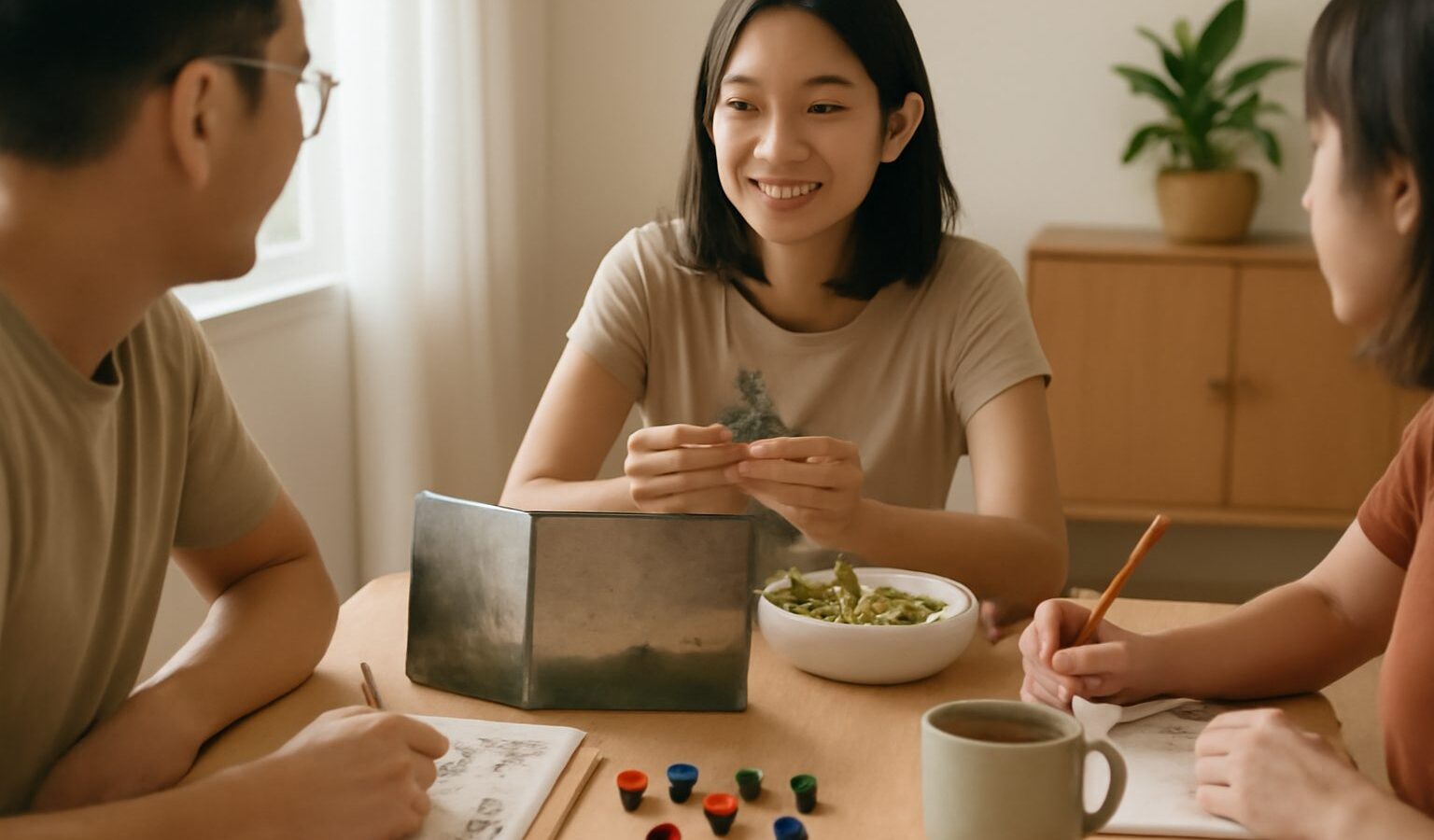
Imagine sitting around a table with friends, telling a story together where anything can happen, and the only limits are your imagination and a roll of the dice. That is the heart of a tabletop role-playing game, and getting into tabletop RPG Singapore groups is easier and cheaper than most newcomers expect. You do not need expensive gear or years of practice. You need a few friends, a shared evening and a willingness to say “my character does this” out loud. This guide will show you exactly how to start, whether you want to join an existing group or gather your own around the kitchen table.
What a Tabletop Role-Playing Game Actually Is
A tabletop role-playing game, often shortened to TTRPG or RPG, is a collaborative storytelling game. One person, usually called the Game Master or GM, describes the world and the situations. Everyone else creates a character, a hero of their own invention, and decides what that character says and does. When the outcome is uncertain, you roll dice to see what happens.
There is no board to move around and no single winner. Instead, the group builds an ongoing adventure together across one evening or many sessions. Dungeons and Dragons is the most famous example, but there are hundreds of systems covering fantasy, science fiction, horror, mystery and cosy slice-of-life stories. The appeal is deeply social. It is a few hours of imagination, laughter and problem-solving with people you like.
What You Need to Start
The gear list is short, and much of it is free. Here is the honest version:
- A rulebook or starter set. Many popular games sell a beginner box with a slimmed-down rulebook, pre-made characters and a first adventure ready to run. Some systems even offer free introductory rules online.
- Dice. A set of polyhedral dice is inexpensive from hobby and game shops, or you can use a free dice-roller app while you decide if the hobby is for you.
- Pencils and paper. For character sheets and notes. Printable sheets are usually free to download.
- A group. Ideally two to five players plus one Game Master. Even three people can run a great game.
- A few hours. Sessions typically run two to four hours, so a weekend afternoon or a weeknight evening works nicely.
That really is enough. You can add miniatures, battle maps and fancy dice later, but none of it is required to begin.
Choosing Your First System
The system is the set of rules you play by, and picking a beginner-friendly one makes the whole experience smoother. The table below compares common starting points. Costs vary by shop and edition, so treat the budget guide as rough bands and check the retailer for current pricing.
| System style | Best for | Group size | Prep needed | Rough budget band |
|---|---|---|---|---|
| Big fantasy system with starter set | Fans of classic adventure | 3 to 6 | Medium | Mid to premium |
| Rules-light story game | Total beginners, casual nights | 2 to 5 | Low | Budget |
| One-shot mystery or horror game | Groups wanting a single evening | 3 to 5 | Low | Budget |
| Sci-fi or narrative system | Players tired of fantasy | 3 to 5 | Medium | Mid |
If you are unsure, start with a rules-light story game or an official starter set. Both are designed to be picked up quickly, and staff at a local hobby shop can recommend a title suited to your group.
Finding a Group in Singapore
The most common worry for newcomers is “but I do not know anyone who plays”. Good news: plenty of people here do, and the community is welcoming.
- Local game shops. Several hobby and board game stores host RPG nights or keep noticeboards and chat groups where players look for others. Ask the staff.
- Online communities. Facebook groups and Discord servers for tabletop gaming in Singapore regularly post “looking for group” and “looking for players” messages. Meetup also lists open sessions.
- Board game cafes. Some venues welcome RPG groups to book a table, which is handy if you do not want to host at home.
- Your own circle. Do not overlook friends, colleagues and family. Many people are curious and just need someone to organise the first session.
If you cannot find a group, become the Game Master and start one. It sounds daunting, but a starter set does most of the heavy lifting, and new GMs are exactly how most groups begin.
Running or Joining Your First Session
Whether you are joining or hosting, a smooth first session comes down to a few simple habits.
- Pick a short adventure. A starter-set scenario or a published one-shot is perfect. Aim to finish a small story in one sitting.
- Make characters together. Use the pre-made ones in a starter box for your first go, or build simple characters as a group so nobody feels lost.
- Agree on the basics. Session length, tone and what everyone is comfortable with. A quick chat up front keeps the game fun for all.
- Let mistakes slide. Nobody remembers every rule. Make a fair call, keep the story moving, and look it up afterwards.
- Feed everyone. A few snacks and drinks turn a game into a proper social evening.
The goal of the first session is not to play perfectly. It is to enjoy telling a story together and to want a second session.
Playing at Home in a Small Space
You do not need a dedicated games room. A tabletop RPG fits happily on any HDB dining table, and because so much of the action happens in conversation and imagination, you need very little physical space. Clear the table, lay out character sheets and dice, and you are set. If you use printed maps or miniatures, a small folding mat or even a sheet of paper works fine.
Our climate matters a little here. Keep rulebooks, character sheets and card decks off damp surfaces, store them flat with a silica gel sachet in humid rooms, and sleeve any cards you use often. Running the air-conditioning or a dehumidifier during long sessions keeps both the players and the paper comfortable. Start cheap, borrow what you can, and upgrade only once you know you love it. The stories you tell will matter far more than the gear on the table.
Explore more
Hungry for more tabletop adventures? If you enjoy the strategy and the miniatures, explore tabletop wargaming and miniatures, or start with a beginner’s guide to board games for lighter nights. When you are ready to gather everyone, learn how to host a game night at home.