
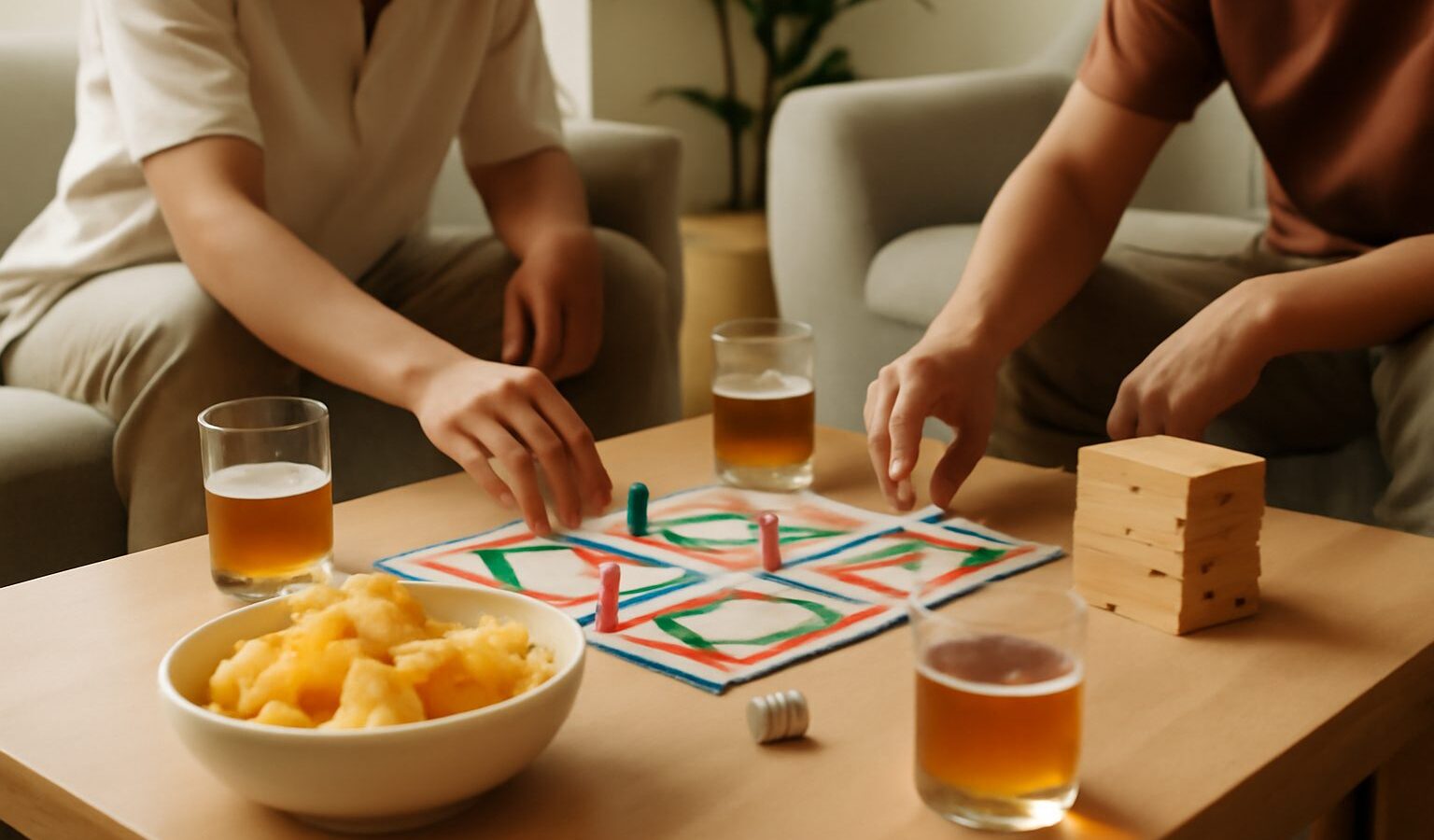
There is something quietly wonderful about a table full of friends, a bowl of snacks and a game that makes everyone laugh, argue and beg for one more round. A good game night singapore hosts at home costs a fraction of a night out, and it gives people something screens rarely do: full attention and real laughter. Best of all, you do not need a big flat, a shelf of expensive games or any experience to pull it off.
This guide walks you through hosting your first game night at home, from picking games that suit your crowd to sorting snacks, space and timing. The aim is simple: help you picture inviting a few friends over this weekend and actually enjoying yourself as the host.
Know Your Crowd Before You Pick a Game
The single biggest factor in a good game night is not the game, it is the match between the game and the people at your table. A group of competitive colleagues wants something different from a relaxed mix of family and friends who just want to chat.
Ask yourself a few quick questions before you choose:
- How many people are coming? Some games shine with four, others need six or more.
- How well do they know each other? Party games break the ice; heavier strategy games suit friends who are comfortable together.
- Do they play games already, or are most of them total beginners?
- How long do you want the night to run? Some games finish in fifteen minutes, others eat up two hours.
When in doubt, lean lighter and shorter than you think. It is far better to finish a quick game and start another than to watch a two-hour epic drag while people quietly check their phones. You can always bring out something meatier once the group is warmed up.
Choosing Games That Suit the Night
You do not need a huge collection. Two or three well-chosen games cover almost any gathering, especially if you pick ones that flex with player count. A good starting library has one easy party game, one clever “gateway” game and one quick filler for when energy dips.
The table below groups popular game styles by what they ask of your guests, so you can match the game to your crowd rather than guessing.
| Game style | Best group | Learning time | Round length | Good for |
|---|---|---|---|---|
| Party and word games | Large, mixed, loud | Under 5 minutes | Short | Icebreakers, big groups, lots of laughs |
| Gateway board games | 3 to 5 players | 5 to 10 minutes | Medium | Beginners who want a bit of strategy |
| Co-operative games | Any, team players | 10 minutes | Medium | Groups who prefer teamwork to conflict |
| Quick fillers and card games | 2 to 6 players | Under 5 minutes | Very short | Warming up, cooling down, waiting for latecomers |
| Hidden-role and bluffing games | 6 or more | 5 to 10 minutes | Medium | Bold, chatty crowds who like drama |
Notice that most of these need only a few minutes to teach. That matters: nothing kills momentum like a twenty-minute rules lecture. Learn the game yourself first, then explain only what players need for the first round and pick up the rest as you go.
What You Need to Start
The good news for your wallet is that hosting a game night at home asks for very little. The real starter kit is small and mostly things you already own:
- A table everyone can reach around, or a cleared coffee table and some floor cushions.
- Enough seating, even if it means borrowing a couple of stools.
- One or two games suited to your group, borrowed or bought cheaply.
- Simple snacks and drinks that will not smudge the cards.
- Good lighting and a spot to stash bags, shoes and phones.
That is genuinely enough. If you own no games at all, borrow from a friend, or start a night at a board game cafe to try titles before buying. Many people build a collection slowly, adding one game every few months as they learn what their group loves. It is completely fine to start with a single deck of cards and a party game bought at Daiso.
Snacks, Space and Small-Flat Realities
Most of us host in HDB flats or shared rentals, and game night fits that life better than you would expect. A four-seater dining table is plenty for most games. If space is tight, a foldable table or a cleared floor with cushions works well, and you can pack everything away in minutes afterwards.
Snacks deserve a little thought because sticky fingers and nice cards do not mix. Favour dry, low-mess finger food: nuts, crackers, cut fruit, chips in small bowls, and anything that does not leave grease. Keep drinks in cups with lids or well away from the board, and lay out a few napkins. If you are serving alcohol, remember the legal drinking age in Singapore is 18, keep it moderate so the games stay fun, and make sure anyone driving or riding home stays sober.
A few practical touches make you look like a seasoned host:
- Clear the table and set up the first game before guests arrive, so you start playing quickly.
- Have a short filler game ready for early birds while you wait for the group.
- Agree a rough end time, especially on a weeknight, so nobody feels stuck.
- Keep a small notepad or a scoring app handy for games that track points.
One local reality worth planning for is our humidity. Cardboard boxes, wooden pieces and card decks can warp or grow musty if stored in a damp cupboard. Keep your games somewhere dry, add a few silica gel packets to the shelf, and avoid stacking boxes near a bathroom or window where damp creeps in.
Where to Buy and Play in Singapore
You are well served here. For buying games, specialist shops and the games sections of larger bookshops carry everything from party titles to deep strategy games, and Daiso is a great source of cheap card and party games for a first night. Plenty of local sellers also trade new and used games on Shopee, Lazada and Carousell, which is a friendly way to try titles without paying full price.
To play out, discover new games or host a bigger group without cramming your flat, board game cafes across the island let you rent from a huge library for a small table charge, usually with drinks and snacks available. They are the perfect place to test a game before you commit to buying it. Fees vary, so check the cafe for current rates rather than assuming.
If you want to meet fellow players, look for board game groups on Meetup, Telegram and Facebook, and keep an eye on community centre events. Many groups welcome complete beginners and are happy to teach.
Keeping the Night Fun for Everyone
The best hosts worry less about winning and more about the mood. Explain rules simply, be relaxed about small mistakes in the first round, and gently steer away from any single player dominating. If a game is not landing, do not force it; swap to something lighter and save face for everyone. Celebrate the funny moments more than the victories, and end while people are still having fun rather than when they are exhausted. Do that, and your friends will be asking when the next game night is before they have even put their shoes back on.
Explore more
Ready to build your collection? Start with our beginner’s guide to board games to pick your first titles, and see where to play board games in Singapore for cafes and clubs to try games out. If your group enjoys a deeper session, explore tabletop role-playing games or a classic beginner’s guide to mahjong for your next night in.