
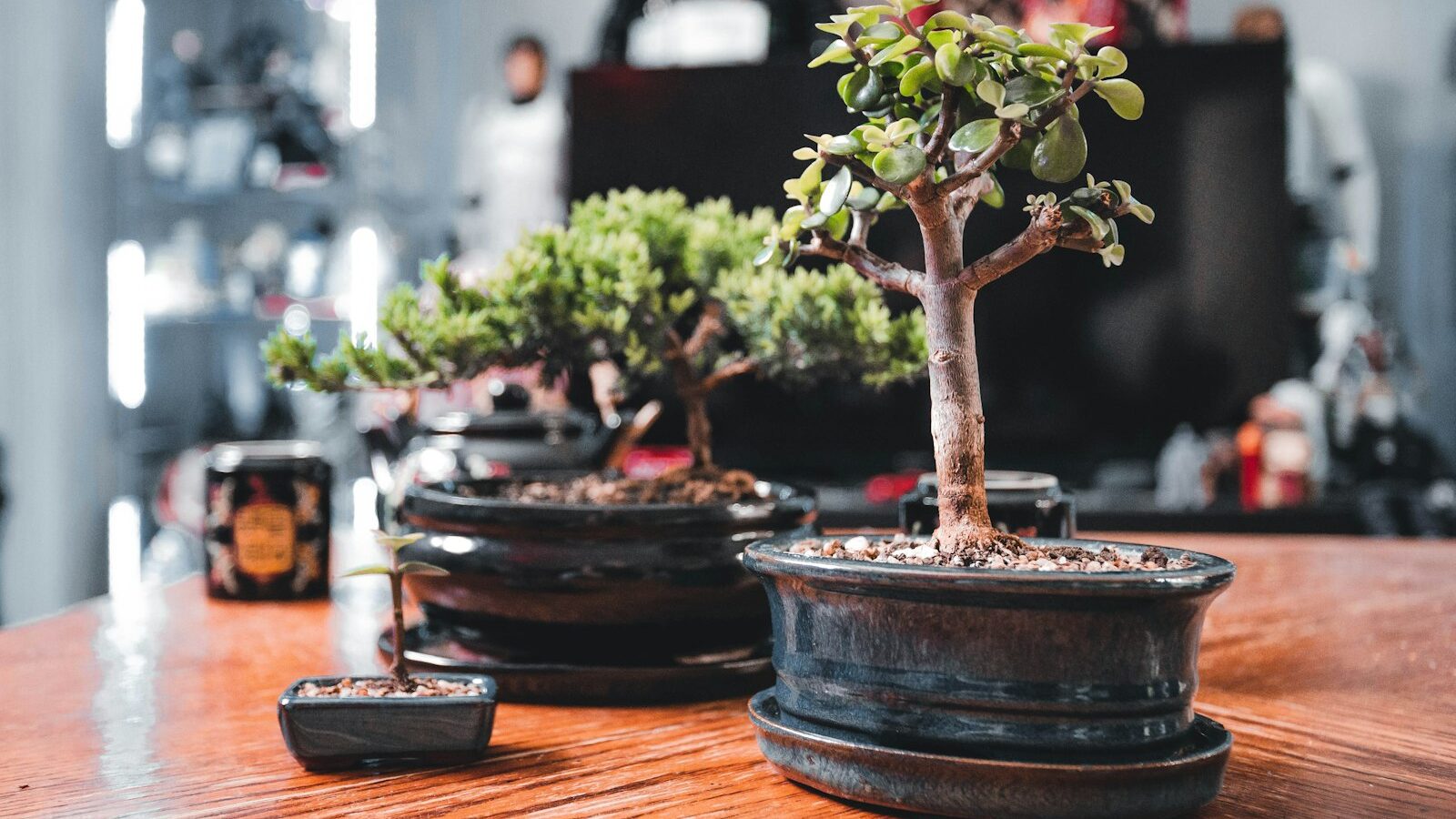
Bonsai is the quiet art of growing a full tree in miniature, shaping it patiently over years so that a plant small enough for a balcony carries the presence of an ancient, weathered giant. It is often imagined as an intimidating, expert-only pursuit, but growing bonsai in Singapore is a wonderfully accessible hobby for beginners, and our tropical climate is surprisingly well suited to it. You do not need land, a workshop, or decades of training. You need one hardy tree, a sunny corner, and a willingness to slow down.
This guide will lower the barrier. We will look at why our climate helps, which species forgive a beginner’s mistakes, the handful of tools you actually need, and the everyday care that keeps a small tree healthy. Start with a single tolerant plant, enjoy the small wins, and let the hobby unfold at its own gentle pace.
Why Singapore Suits Tropical Bonsai
Much bonsai advice online is written for temperate countries, where trees drop their leaves and rest through a cold winter. Here, our warm, humid, year-round growing season changes the game, mostly in your favour. Tropical and subtropical species grow steadily all year, so you see progress faster and never have to nurse a tree through frost.
The trade-off is that our intense sun, heat and heavy monsoon rain demand attention to watering and drainage. Small pots dry out fast in the afternoon sun, yet the same trees can drown if rain leaves them waterlogged. The sweet spot for most local bonsai is bright light with some shelter from the very harshest midday sun and from the full force of a downpour. A balcony, a corridor, or a sunny windowsill ledge can all work. Because the trees keep growing all year, pruning and shaping in Singapore is a steady, ongoing pleasure rather than a once-a-season event.
Choosing a Beginner-Friendly Species
The fastest way to enjoy bonsai is to start with a species that tolerates heat, recovers well from pruning, and does not sulk if you get watering slightly wrong. Happily, several such trees grow readily here and are sold at local nurseries.
Use this comparison to pick a first tree that matches your space and patience.
| Species | Light it likes | Care level | Why it suits beginners |
|---|---|---|---|
| Ficus (banyan, fig) | Bright light, some direct sun | Easy | Tough, fast, forgiving; the classic starter |
| Chinese elm | Bright, filtered to direct sun | Easy | Handles pruning well, backbuds readily |
| Fukien tea (Carmona) | Bright light, gentle sun | Moderate | Attractive flowers and berries, widely sold |
| Bougainvillea | Strong, near-direct sun | Moderate | Loves our heat, rewards with vivid blooms |
For an absolute first tree, a Ficus is hard to beat. It is vigorous, laughs off beginner errors, thrives in our humidity, and even grows aerial roots that add character. Chinese elm is another reliable choice. Once you have kept one alive and shaped it for a season, branching out into flowering species such as Fukien tea or bougainvillea feels natural.
The Tools and Materials You Actually Need
You can start bonsai without a drawer full of specialist equipment. A small, sensible kit covers almost everything a beginner does in the first year.
- A pair of sharp bonsai or garden scissors for trimming leaves and fine shoots.
- Concave cutters or sturdy pruners for removing thicker branches cleanly.
- Aluminium or copper training wire to guide branches into shape.
- A free-draining bonsai soil mix, or components such as akadama, grit and bark that you can blend.
- A shallow bonsai pot with drainage holes, plus a plain training pot for younger trees.
Bonsai soil is deliberately gritty and open rather than dense garden earth, because miniature trees need roots that breathe and drain fast in our wet climate. Prices for trees, tools, pots and soil vary a great deal depending on age, species and finish, so set a rough budget in your mind, decide whether you want a young starter or a more developed tree, and check the nursery for current pricing rather than assuming. You can genuinely begin at a modest, budget level and add better tools later as the hobby grows on you.
Everyday Care: Watering, Feeding and Light
The daily rhythm of bonsai is simple, and watering is at its heart. Because the pots are shallow and the soil drains freely, bonsai dry out quickly in Singapore’s heat, sometimes needing water once or even twice a day at the height of a hot spell. Rather than watering on a fixed schedule, check the soil: water thoroughly when the surface has begun to dry, let it drain right through, and never leave the tree standing in a permanently soggy tray.
That last point carries a Singapore-specific safety warning worth taking seriously, not as a throwaway line. Never let water collect and stagnate in the saucers, drip trays or outer containers under your bonsai. Standing water is a prime breeding site for Aedes mosquitoes, and dengue is a genuine, recurring risk here. Every time you water, tip out any water that pools in saucers and trays, avoid hardened or compacted soil that traps moisture on the surface, and follow NEA’s anti-mosquito advice. A quick tip-and-empty habit keeps both your tree and your neighbourhood safer.
Feeding keeps a small tree in a small pot healthy, since it cannot send roots out to find nutrients. Use a balanced fertiliser at the strength stated on the product label, apply it during active growth, and keep all fertilisers and pest treatments away from children and pets, preferring eco-friendly or organic options where you can. For light, give most beginner species bright conditions with some shelter from the fiercest midday glare, and turn the pot occasionally so growth stays even.
Pruning, Shaping and the Patience Payoff
Shaping is where bonsai becomes an art rather than just plant care, and it is more relaxed than it looks. There are two everyday techniques. Pruning means cutting back shoots and branches to build the tree’s structure and keep it compact; because tropical species grow all year here, you will prune little and often. Wiring means gently wrapping training wire around a branch and bending it into position, then removing the wire before it bites into the thickening bark.
A gentle way to begin shaping:
- Decide on a simple front and a rough shape before you cut anything.
- Remove obviously crossing, dead or awkward branches first.
- Trim to encourage smaller leaves and denser branching over time.
- Wire only a few branches at a time while you learn, checking the wire regularly.
Above all, bonsai teaches patience, and that is the point rather than a drawback. A tree that looks like a raw nursery plant today can, with a few minutes of attention each week, become something genuinely beautiful over the seasons. Every new bud and healed cut is a small win. Do not rush, do not overwork a tree, and let time do much of the shaping for you.
Where to Buy Bonsai in Singapore
Local nurseries make starting easy. The plant nurseries clustered at Sungei Tengah and along Thomson are the classic hunting grounds, with pre-started bonsai, raw material to train yourself, pots, soil and tools all in one trip, and staff who can point a beginner to a hardy Ficus or elm. Far East Flora and larger garden centres also carry starter trees and supplies, and there are specialist bonsai growers and hobbyist groups for when you want to go deeper.
When choosing, look for healthy, firm leaves, no pests, and a trunk and branch structure you find pleasing, since good bones matter more than instant fullness. Ask about the species so you know its care needs, and remember that half the joy is growing the tree yourself.
Explore more
If the calm of bonsai appeals, you may also love a beginner’s guide to orchids, another patient, rewarding pursuit for small spaces. When you are ready for more plants or tools, see where to buy plants in Singapore, and for the wellbeing side of a slow hobby, read about the mental health benefits of gardening.