
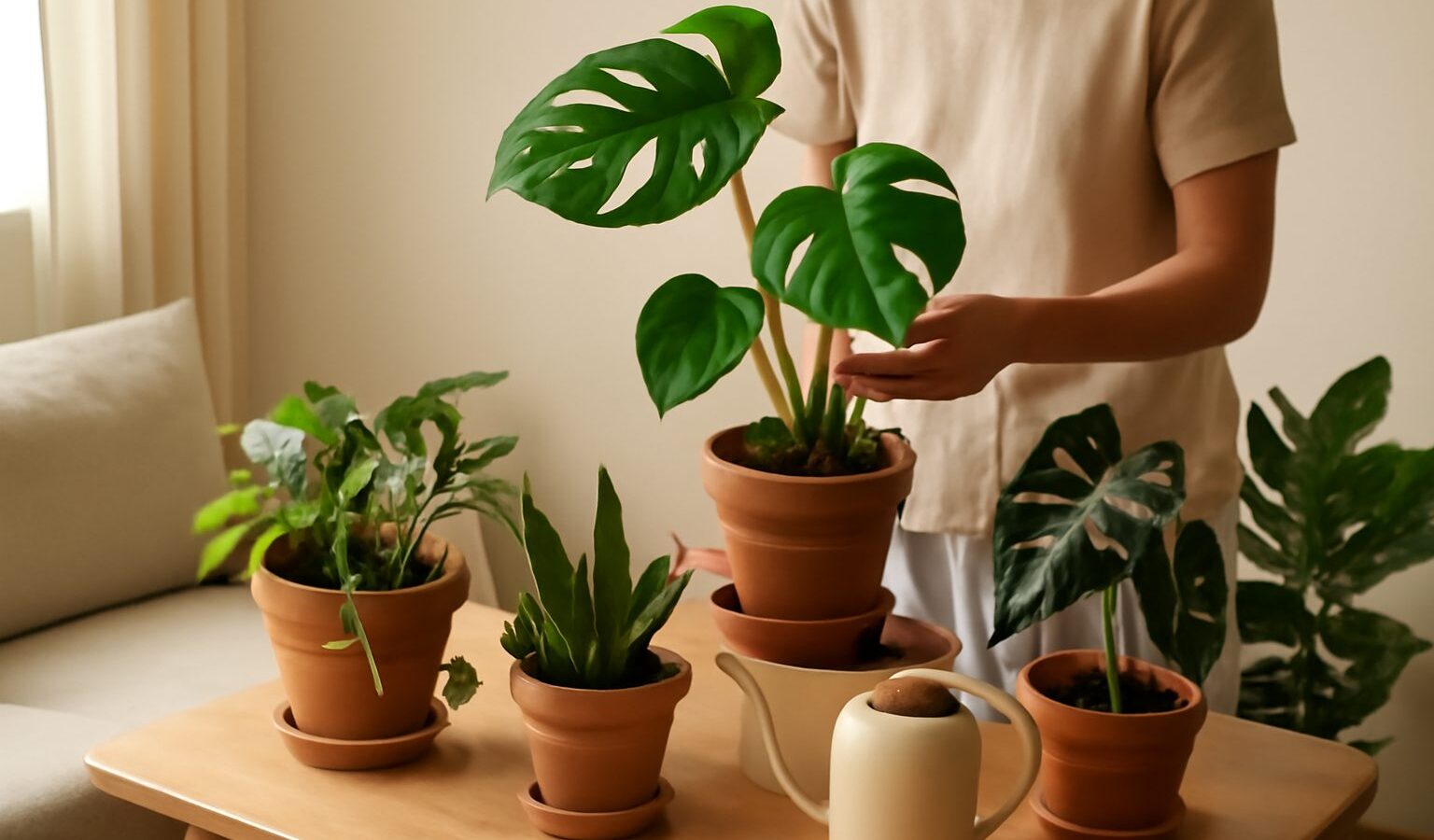
Somewhere between owning a few houseplants and running out of shelf space, a person becomes a collector. Plant collecting in Singapore has grown into a genuine hobby, helped along by our warm, humid climate that lets a huge range of tropical plants thrive indoors and on balconies all year. It is part treasure hunt, part gardening, and part community. Whether you are drawn to aroids like monstera and philodendron, to orchids, to succulents, or to unusual variegated foliage, collecting can be a rewarding and surprisingly social pursuit. This guide covers how to start, how to source plants responsibly, and how to keep a growing collection healthy in a small home.
Starting and shaping your collection
The happiest collectors tend to pick a focus rather than buying one of everything. A theme gives your collection coherence and, more practically, means your plants often want similar care. You might collect a single genus, a style such as trailing plants, or a look such as variegated foliage. If you are new to the deeper end of houseplants, a solid foundation helps, so it is worth revisiting a beginner’s guide to houseplants in Singapore before you spend heavily. Choosing a niche also makes you a better grower, because you learn the quirks of one group well instead of spreading yourself thin.
As the numbers climb, organisation stops being optional. Knowing what you own, where it came from and what it needs saves plants and money. Grouping plants by light and humidity needs, keeping a simple list, and labelling pots all help. Collectors of variegated plants in particular benefit from understanding why those pale patches behave the way they do, and understanding variegated plants and their care in Singapore is a useful companion here. Learning to read plant names properly is another quiet skill that pays off, since it stops you buying the same thing twice under two different labels.
Part of the joy is the community. Singapore has active plant swaps, hobby groups and online marketplaces where collectors trade cuttings and knowledge. Trading is also a kinder, cheaper way to grow a collection than buying every new plant, and it spreads rare plants around so they are less likely to be lost. To plug into that side of the hobby, see plant swaps and sharing cuttings in Singapore, which is a friendly on-ramp to meeting other growers.
Sourcing responsibly and caring for a growing collection
A word that every collector should take seriously is responsibility. As demand for rare and unusual plants has grown, so has poaching of wild plants from forests, both here in the region and overseas. Some species are protected by law, and some are threatened in the wild precisely because collectors wanted them. The ethical rule is simple. Buy nursery-grown, propagated plants from reputable sellers, ask where an unusual plant came from, and never buy a plant you suspect was dug up from the wild or a protected area. Bringing plants across borders also has rules, including permits for certain species, so check the requirements before you carry a plant home from a trip. A beautiful collection built on poached or illegally traded plants is not a collection to be proud of, and choosing propagated stock keeps the hobby healthy for everyone.
Caring for many plants in a small flat is its own challenge. The more you own, the more important it is to match plants to the light you actually have, rather than the light you wish you had. Crowding plants together does raise local humidity, which many tropical species enjoy, but it also lets pests spread fast, so good airflow and regular checks matter. Always isolate new arrivals for a couple of weeks before they join the shelf, because one infested plant can spread mites or mealybugs through a whole collection. Quarantining new plants to stop pests in Singapore explains a simple routine for this.
Keep a few practical habits and your collection stays a pleasure rather than a chore. Water by checking the mix rather than on a fixed schedule, since a shady corner and a bright balcony dry out very differently. Feed lightly during active growth. Turn plants now and then so they grow evenly, and be honest when something is not thriving, moving it or passing it on rather than watching it decline. Finally, remember that many collectable houseplants are toxic to pets and children if chewed, and some have irritating sap, so place them thoughtfully and keep the more hazardous ones out of reach. Collect for the love of growing, source with a clear conscience, and the hobby will give back for years.