
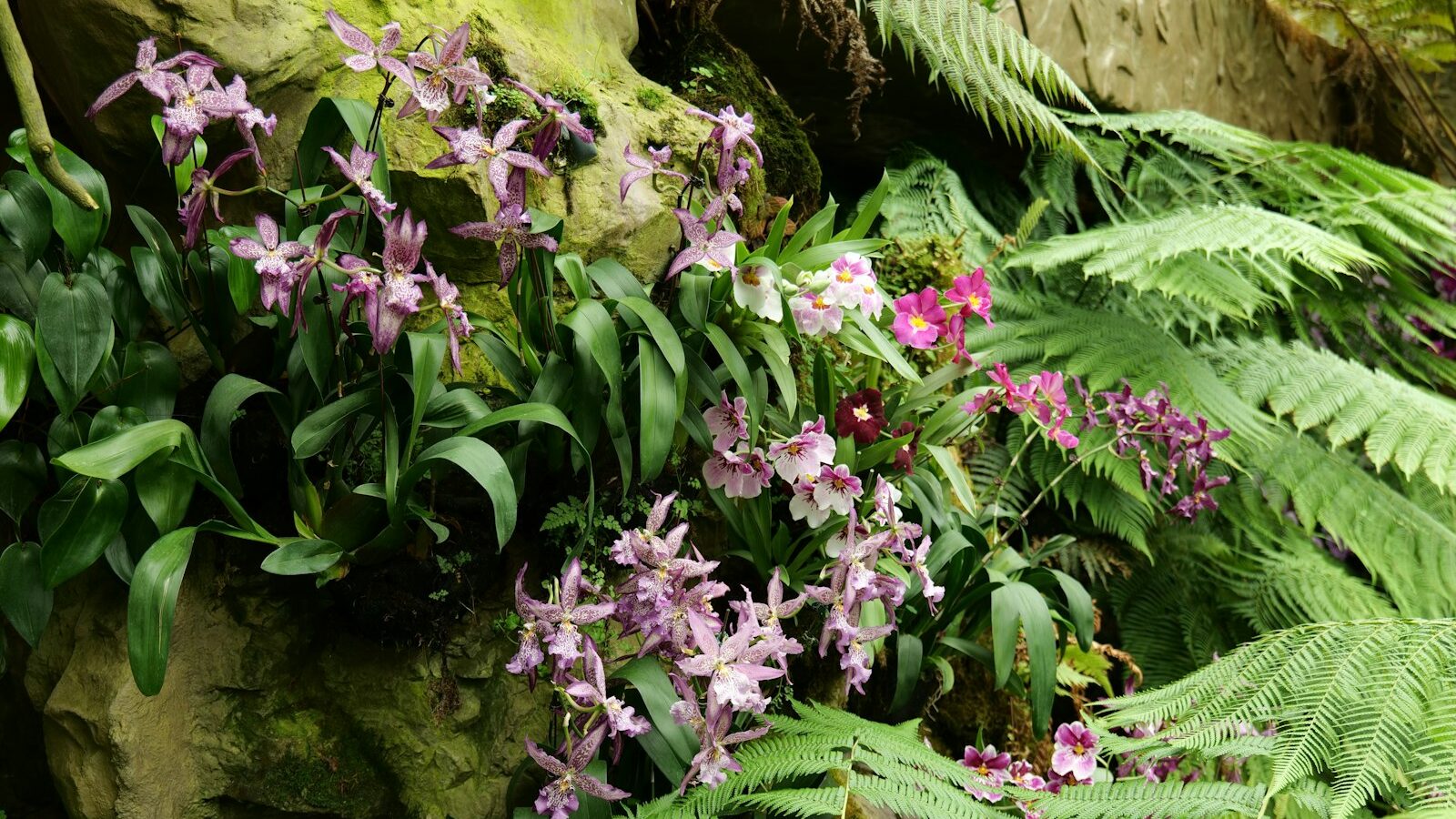
Few plants feel as at home here as the orchid. Singapore is, after all, an orchid nation: our national flower is the Vanda Miss Joaquim, a hybrid first recorded in a Tanjong Pagar garden in 1893, and orchids greet visitors everywhere from Changi Airport to the National Orchid Garden at the Botanic Gardens. If you have ever admired those arching sprays of blooms and assumed they were too fussy for a beginner, this guide is for you. Growing orchids in Singapore is genuinely beginner-friendly once you understand a few basics, and our warm, humid climate does much of the hard work for you.
The good news is that you do not need a garden, a greenhouse, or years of experience. A bright HDB corridor, a sheltered balcony, or a kitchen windowsill can be enough. Start with one easy plant, learn its rhythm, and let your confidence grow from there.
Why Orchids Thrive in Our Climate
Most popular orchids are epiphytes, meaning that in the wild they grow clinging to tree branches rather than in soil. Their roots dangle in humid air, catch rain, and dry quickly between showers. That is almost a description of Singapore itself: warm year-round, humid, and washed by regular monsoon rain. This is why orchids grow so happily on trees along our roadsides and in countless HDB corridors and balconies.
Because they are adapted to warmth, tropical orchids do not need the temperature swings that gardeners in cooler countries fuss over. What they do need is bright, filtered light, good air movement, and roots that never sit soggy. Get those three things roughly right and you are most of the way there. Understanding our tropical climate is the single biggest advantage a local grower has, so lean into it rather than fighting it.
Choosing Your First Orchid
Not all orchids are equally forgiving, so your first choice matters. Some are almost indestructible; others reward experience. As a beginner, pick a type known to be tough and widely sold at local nurseries.
Here is a simple comparison to help you decide what suits your space and confidence level.
| Orchid type | Light it likes | Care level | Good for |
|---|---|---|---|
| Phalaenopsis (Moth orchid) | Bright, indirect indoor light | Easy | Beginners, indoor windowsills |
| Dendrobium | Bright light, some morning sun | Easy to moderate | Balconies, corridors, first outdoor orchid |
| Vanda | Strong, near-direct sun | Moderate | Sunny balconies, confident beginners |
| Oncidium (“dancing lady”) | Bright, filtered light | Moderate | Those wanting frequent, dainty blooms |
If you are unsure, start with a Phalaenopsis (the common “moth orchid” sold in supermarkets and nurseries) or a Dendrobium. Both are affordable, tolerant of beginner mistakes, and rebloom readily in our climate. Vandas, including relatives of the famous Vanda Miss Joaquim, are stunning but hungry for strong light and frequent watering, so they suit a sunny balcony better than a shaded flat.
Light, Air and Placement
Light is where most beginners go wrong, usually by giving too little. Orchids want bright light but not harsh, all-day direct sun that scorches their leaves. A spot that receives gentle morning sun and bright shade for the rest of the day is close to ideal. Indoors, a windowsill that stays bright is perfect for a Phalaenopsis. On a balcony or along a corridor, morning-facing positions suit Dendrobiums well.
A healthy orchid leaf is a bright, medium green. Dark, lush green often means too little light and few flowers, while yellowish or reddish leaves can mean too much sun. Adjust the position gradually rather than moving the plant from deep shade into blazing sun overnight.
Air movement matters too. Orchid roots and leaves dislike sitting in stagnant, damp air, which invites rot and fungus. A breezy balcony is naturally good; indoors, a nearby open window or a gentle fan helps keep things healthy. If you grow along an HDB common corridor, remember that the walkway must stay clear for fire safety and access, so keep plants tidy and out of the path and defer to your town council, HDB and SCDF rules, which vary from block to block.
Watering Without Killing Your Orchid
More orchids die from overwatering than from neglect. Because their roots are built to dry out between soakings, they must never sit in constant wet. The simplest approach is to water thoroughly, let the excess drain away completely, then wait until the potting medium and roots are nearly dry before watering again. In our heat this might be every two to three days for a plant in bark, and more often for a Vanda with bare, exposed roots. Silvery-grey roots want water; plump green roots have plenty.
This is where a Singapore-specific safety point matters, and it is not a throwaway line. Never let water collect and stagnate in pot saucers, trays, or the outer decorative pots that orchids are often sold in. Standing water is exactly where Aedes mosquitoes breed, and dengue is a real, ongoing risk here. After watering, tip out any water that pools in saucers and outer sleeves, avoid leaving hardened, waterlogged medium that traps moisture, and follow NEA’s anti-mosquito advice. Doing a quick “tip and check” every time you water protects both your plant and your neighbours.
A few more watering habits worth building:
- Water in the morning so leaves and crowns dry before nightfall, reducing rot.
- Avoid letting water sit in the central crown of a Phalaenopsis; dab it dry if it collects there.
- Use room-temperature water; collected rainwater is excellent and free.
Potting, Feeding and Getting Blooms Again
Orchids are not planted in ordinary soil, which would suffocate their roots. Instead they go into a chunky, free-draining medium such as bark chips, charcoal, or sphagnum moss, or they are mounted on a slab or hung bare-rooted like Vandas. When roots outgrow the pot or the medium breaks down and stays soggy, it is time to repot, usually every one to two years and ideally just after flowering.
Feeding encourages reblooming. Use a balanced orchid fertiliser at a diluted strength, following the product label rather than guessing, and keep all fertilisers and any pest treatments away from children and pets. “Weakly, weekly” is a helpful rule: a little diluted feed often, rather than a heavy dose occasionally. Prefer eco-friendly or organic options where you can. None of this is complicated once it becomes routine.
Getting an orchid to rebloom is the milestone that turns beginners into hobbyists. The formula is unglamorous but reliable: enough bright light, consistent but never soggy watering, gentle feeding, and patience. Many Dendrobiums and Phalaenopsis will flower again once or twice a year in our climate with this care. When a flower spike finishes, you can trim spent stems, keep caring for the plant, and wait; the next round of blooms is your reward.
Where to Buy Orchids in Singapore
You are spoilt for choice locally. Established nurseries at Sungei Tengah and along Thomson carry a wide range, from beginner Dendrobiums to specialist Vandas, and staff there are usually happy to advise first-timers. Far East Flora and other garden centres stock reliable, healthy plants, supermarkets often sell flowering Phalaenopsis, and there are dedicated orchid growers if you catch the bug. Online sellers deliver too, though it is worth seeing your first plant in person.
Prices vary widely by type, size, and whether a plant is in bloom, so rather than fixating on a figure, set a rough budget, be honest about whether you want a hardy starter or a showier specimen, and check the nursery for current pricing. When choosing, look for firm, green or silvery roots, plump leaves with no black mushy patches, and no visible pests. A healthy, well-chosen first orchid is the best possible start.
Explore more
If orchids have you hooked, keep exploring our other beginner gardening guides. You might enjoy growing bonsai as a hobby as another rewarding, patient pursuit, or find out where to buy plants in Singapore for your next addition. Gardeners looking for connection can also read how to join a gardening community and swap orchid tips with fellow enthusiasts.