
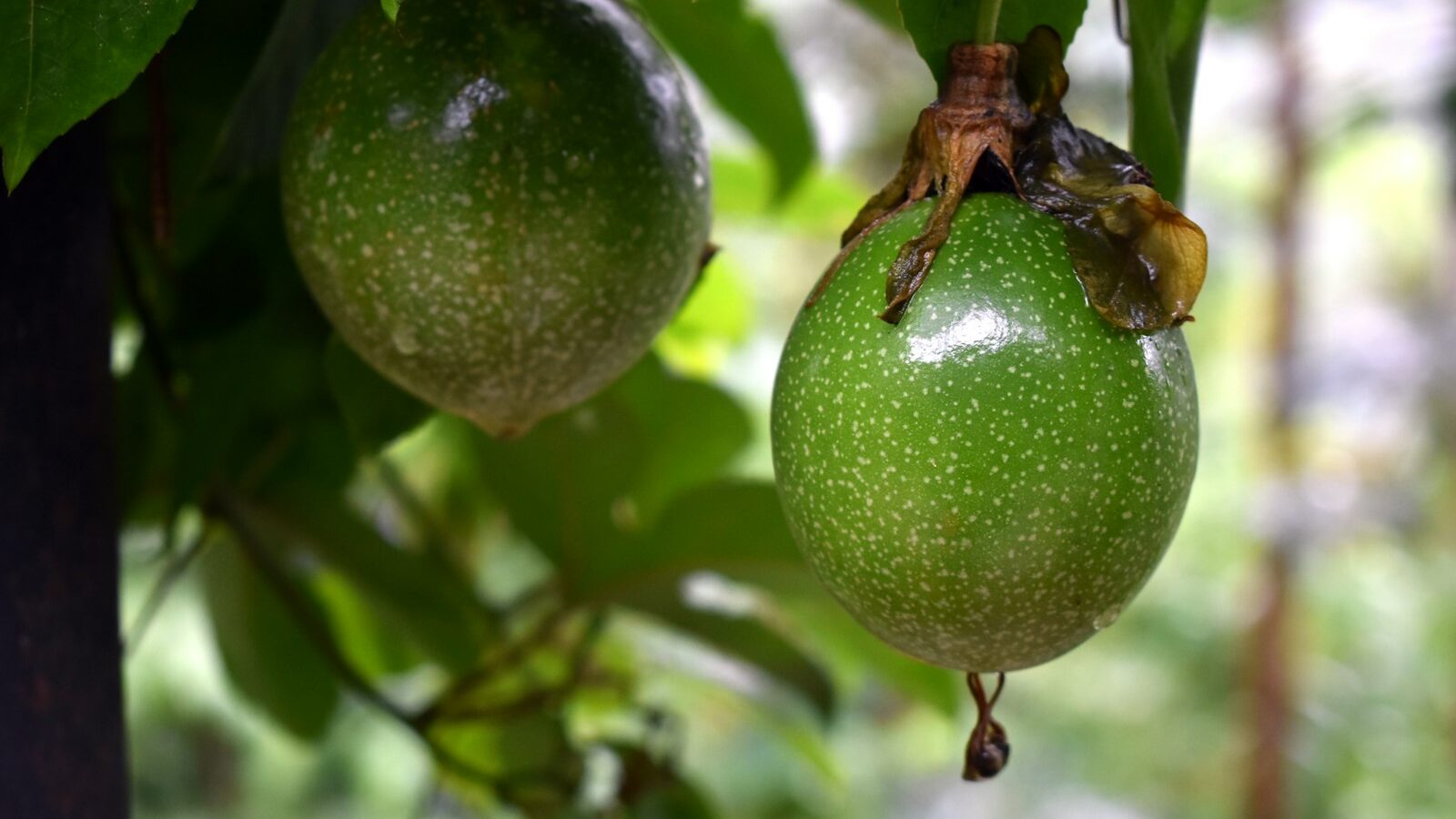
There is something special about picking a wrinkled passionfruit off your own vine and spooning out the fragrant, tangy pulp. Growing passionfruit at home is very achievable in Singapore, and it turns a bare railing or wall into a leafy, productive screen. Passionfruit belongs to a wider group of edible climbers, from beans to bitter gourd, that make brilliant use of vertical space when ground area is scarce. With good support, plenty of sun and steady care, these vines reward a small-space gardener generously. This guide covers support, light, watering, feeding, pollination, harvesting and staying safe.
Why Vines Are Smart in a Small Space
When floor space is tight, the answer is to grow upwards, and vines do this naturally. A single climber trained up a trellis or along a railing can cover a large area of wall while its roots sit in one modest pot. That vertical habit gives you fruit, greenery and a bit of welcome shade without sacrificing your limited balcony floor.
Passionfruit is a star among edible vines here because it genuinely enjoys our climate. It is a vigorous tropical climber that thrives in year-round warmth and strong sun, growing fast once established and clambering over any support you give it. Other rewarding edible vines for a Singapore home include long beans, winged beans, bitter gourd, snake gourd and the humble sweet potato, all of which climb or sprawl happily in the heat. Choosing a vine means committing to a support and a sunny spot, but in return you get a lot of food from a small footprint.
Support, Sun and Getting Started
The single most important thing to understand about passionfruit is that the vine needs strong support and can be very vigorous. It climbs by curling tendrils around anything within reach, so give it a sturdy trellis, a section of railing, a wire mesh panel or a frame fixed securely to a wall. Flimsy support will be overwhelmed within a season, so build or buy something solid before you plant. Guide the young stems onto the support at first, and after that the vine largely trains itself, though you will need to prune to keep it in bounds.
Passionfruit wants full sun, ideally six hours or more a day, which on many balconies means the brightest, most open railing you have. More sun means more flowers and more fruit. Poor light gives lush leaves but few blooms.
Start with a young plant from a plant nursery or garden centre, or grow from the seed of a ripe fruit, though named plants tend to fruit sooner and more predictably. Use the largest pot you can manage, at least a deep bucket-sized container with good drainage holes, filled with rich, free-draining potting mix. A bigger root run supports a bigger, more productive vine. Secure heavy pots against wind on high floors, since a laden vine catches the breeze like a sail.
Watering, Feeding and Pollination
A fast-growing, fruiting vine in full tropical sun is thirsty, so water regularly and deeply, especially once flowers and fruit are forming. In a pot on a hot balcony that may mean watering daily in dry spells, easing off during long monsoon downpours. Aim for consistently moist but never waterlogged mix, and always tip away water that collects in any saucer or tray, since standing water breeds Aedes mosquitoes. Do not let a self-watering reservoir or catch-tray sit stagnant; empty or refresh it regularly and follow current NEA and NParks guidance on preventing mosquito breeding.
Passionfruit is a heavy feeder. Once the vine is growing strongly, feed every two to four weeks through the warm months with a balanced fertiliser, leaning towards one that encourages flowering and fruiting rather than only leaf growth. Too much nitrogen gives you a jungle of leaves and few flowers, so read the label and do not overdo it.
Pollination is where many balcony growers stumble. Passionfruit flowers may be poorly visited by pollinating insects high up on a sheltered balcony, so fruit set can be low. The simple fix is to hand-pollinate: on a sunny morning when flowers are open, use a small soft brush or a fingertip to move the sticky pollen from one flower to the centre of another. This small habit can dramatically increase how much fruit you harvest.
Harvesting and Eating Vines Safely
With passionfruit, patience pays off, because only ripe fruit is eaten. The fruit is ready when it turns fully coloured, often deep purple or yellow depending on the type, and the skin begins to wrinkle. Many ripe fruit simply drop from the vine, and that is the best sign of all; gather them from the ground promptly. Unripe passionfruit is not pleasant and is best left to mature fully on the vine, so resist picking early. Scoop out the pulp and seeds, which is the part you eat, and wash the fruit before cutting.
Safety matters with every edible you grow. Grow from known seed or plants, only eat the parts that are edible, wash produce before eating, and never eat a plant, leaf or fruit you cannot positively identify. This is especially important with vines, because some ornamental climbers look similar but are not edible. The table below compares a few edible vines to help you choose.
| Edible vine | Support needed | Main harvest | Notes |
|---|---|---|---|
| Passionfruit | Strong, vigorous climber | Ripe wrinkled fruit | Hand-pollinate, eat only ripe fruit |
| Long bean | Moderate, tall trellis | Young tender pods | Fast, picks over many weeks |
| Bitter gourd | Moderate, sturdy frame | Firm young fruit | Vigorous, likes full sun |
| Winged bean | Moderate, tall support | Young pods | Heat-loving, easy to grow |
| Sweet potato | Low, can trail or climb | Leaves and tubers | Sprawling, good ground cover |
Pruning, Problems and Keeping It Tidy
Because passionfruit is so vigorous, regular pruning is part of the deal. Trim to keep the vine within its support, improve airflow and remove old, weak or tangled growth. Prune after a flush of fruiting, and always with clean tools. Good airflow also cuts down on the fungal problems that thrive in our humidity.
Watch for common pests such as aphids, mites and caterpillars, and start with the least harsh response: pick off caterpillars by hand, rinse aphids off with water, or use insecticidal soap or a neem-based spray if needed. If you ever use a stronger product, follow the label exactly, keep it away from children, pets and your edible harvest as directed, and ventilate. Yellowing leaves often mean the pot is too small or hungry, so feed and consider potting up.
Finally, mind your neighbours and your building rules. Keep vigorous vines trimmed so they do not stray onto shared corridors or into the flat next door, secure all pots and supports against wind and falls, and follow your HDB, town council or MCST guidance on balconies and shared spaces. Start with one well-supported passionfruit or an easy long bean, learn how it grows on your particular balcony, and you will soon be harvesting from thin air.
Explore more
For more edible vines and roots that make the most of small spaces, see our guide to growing sweet potato and its leaves. If you would rather start with something quick and forgiving, try growing microgreens at home or the fragrant, easy growing lemongrass at home.