
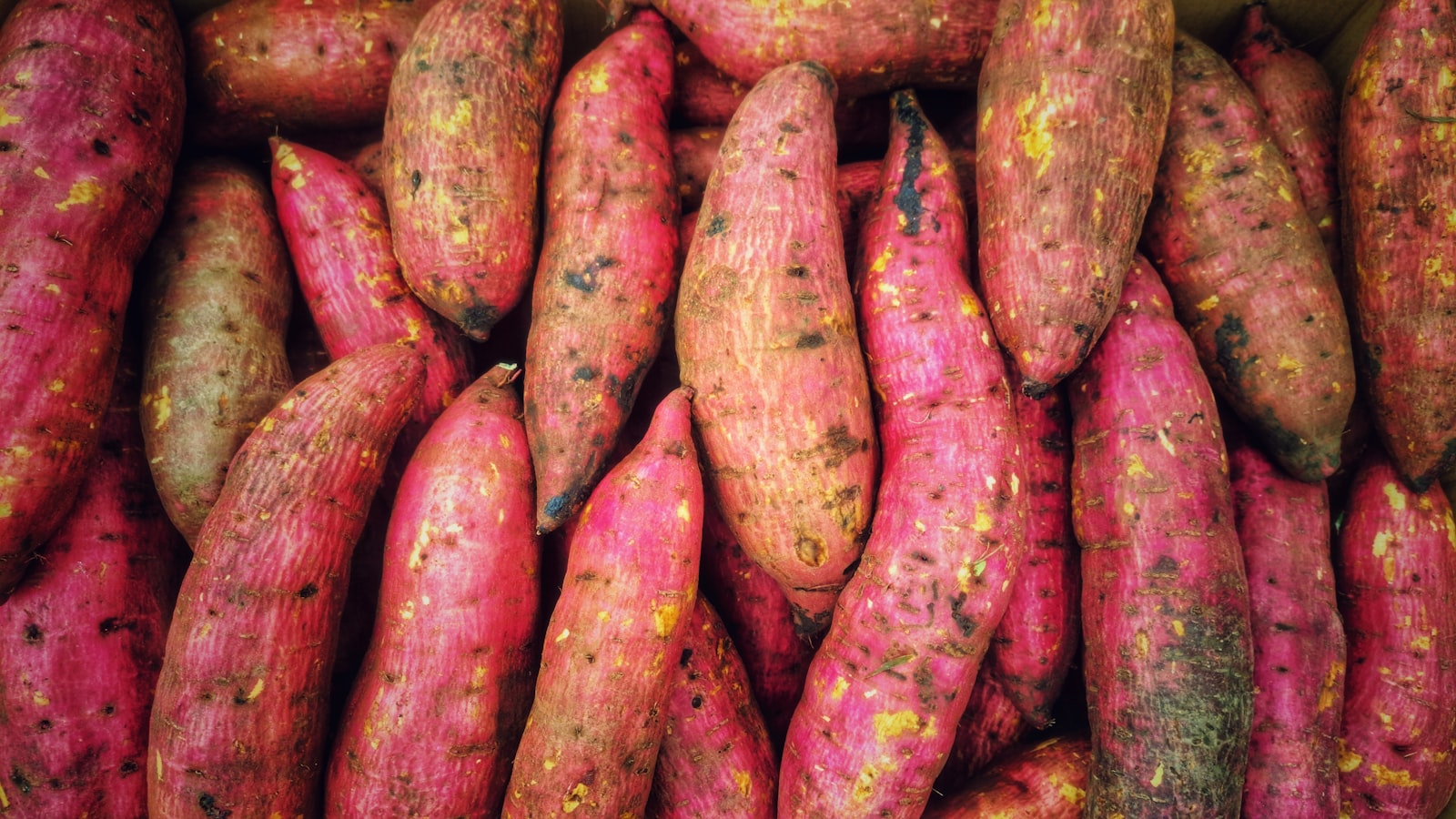
Sweet potato is one of the most generous crops you can grow on a Singapore balcony, because it gives you two harvests from one plant. Below the soil, the vine slowly swells into starchy tubers, and above it, the trailing stems produce a steady flow of sweet potato leaves, a tender green that is delicious stir-fried with garlic and sambal. The plant loves our year-round heat and strong sun, tolerates a missed watering, and grows fast enough to keep a keen beginner encouraged. Start with a single pot, watch how quickly it romps away, and you will soon be picking your own shoots for dinner.
Starting From Slips or a Sprouting Tuber
You grow sweet potato not from seed but from slips, the leafy shoots that sprout from a mature tuber. The easiest way to begin is with a healthy, firm sweet potato from a grocer or a plant nursery. Rest it half-buried in damp potting mix, or suspend the lower half in a jar of water using toothpicks, and keep it warm and bright. Within two to three weeks, clusters of green shoots push out from the top.
When each slip is around fifteen centimetres long with a few leaves, gently twist it off and stand it in fresh water to root. If you use the water method, change the water every couple of days so it never turns stagnant, because standing water breeds Aedes mosquitoes. Small roots appear within a week, and the rooted slip is then ready to plant. One tuber can give you many slips, so a single sweet potato can start a whole balcony crop.
Pots, Soil and Sun on a Balcony
Sweet potato has a sprawling root system, so give it room. A deep pot, a large tub, or a fabric grow bag of at least thirty litres suits a balcony well, and the bag has the bonus of good drainage and air pruning. Any container must have drainage holes, as waterlogged roots rot and refuse to form tubers.
Fill with a light, free-draining mix. A standard potting mix loosened with compost and a handful of sand or perlite gives the loose, airy texture that swelling tubers need. Heavy, compacted soil produces thin, stringy roots. Plant your rooted slips deep, burying the lower nodes, and space them a hand’s width apart.
Sun is the one thing sweet potato cannot do without. It wants the brightest, hottest spot you have, ideally six hours of direct sun a day, so a west or south-facing HDB or condo balcony is perfect. In deep shade the vine grows leggy and produces plenty of leaves but few tubers. On a windy high floor, keep the container low and stable and let the vines trail down rather than whip about, and mind that nothing dangles where it could fall on a neighbour below.
Harvesting the Leaves, and the Tuber Later
This is where sweet potato earns its keep. The young shoot tips and their tender sweet potato leaves are fully edible when cooked, and the plant regrows quickly, so you can snip a handful of the top ten centimetres of each vine every week or two once the plant is established. Regular picking also keeps a rampant vine in bounds on a small balcony. Always cook the leaves and shoots rather than eating them raw, and wash them thoroughly under running water first to remove any grit, soil or insects.
The tubers take longer, usually around three to five months from planting, and are ready when the plant has filled its container and some lower leaves begin to yellow. Tip the whole pot out onto a sheet and harvest by hand, then cure the tubers in a warm, airy spot for a few days to sweeten them before cooking. Only the tubers and the young leaves and shoots are for eating; grow from a known food tuber, and never eat a plant you cannot positively identify.
Watering, Feeding and Common Problems
Sweet potato is fairly drought-hardy once settled, but in our heat a balcony pot dries fast, so water when the top few centimetres feel dry, generally every day or two in full sun. Ease off as tubers mature near harvest, since constant heavy watering encourages leaf at the expense of root. Never leave a saucer of water under the pot, as that both rots the roots and breeds mosquitoes; tip out any standing water and empty saucers at least weekly, following current NParks and NEA guidance.
Go easy on feeding. Too much nitrogen gives you a jungle of leaves and disappointing tubers, which is fine if leaves are your goal but frustrating if you want roots. A balanced or slightly potassium-rich feed every few weeks keeps things even. If you mainly want the greens, a little extra nitrogen is fine.
Watch for a few usual pests, and always start with the gentlest fix.
| Problem | Likely cause | Gentle fix |
|---|---|---|
| Lots of leaves, tiny tubers | Too little sun or too much nitrogen | Move to full sun; cut back feeding; harvest leaves |
| Chewed, holey leaves | Caterpillars or beetles | Pick off by hand; rinse with a water spray |
| Sticky leaves and sooty mould | Aphids or whitefly | Wipe off; treat with insecticidal soap or neem |
| Yellowing, wilting vine | Waterlogged, rotting roots | Improve drainage; water less; check the pot base |
| Pale, stunted growth | Poor, exhausted soil | Refresh with compost; feed lightly |
If you use insecticidal soap or a neem solution, follow the product label exactly, keep it away from children and pets, and rinse edible leaves well before cooking.
Propagating and Keeping It Going
The joy of sweet potato is that it never really stops. Every time you harvest a tuber, save a firm one to sprout the next batch of slips, and every trailing vine can be cut into sections and rooted to make new plants. A twenty-centimetre length of healthy stem, stripped of its lower leaves and pushed into moist mix, roots readily in our warmth within a week or two. This means you can keep a rolling supply going year-round with almost no cost.
If space is tight, treat one plant purely as a leaf crop: grow it in a smaller pot, harvest the shoots often, and do not worry about tubers at all. Grown this way it behaves much like a cut-and-come-again green, giving you tender leaves for months. Whether you are after the roots, the greens, or both, sweet potato is a forgiving, rewarding place to begin growing your own food in a small tropical space.
Explore more
Once your sweet potato is romping away, keep the edible momentum going with more easy crops for our climate. Try our guide to growing Chinese vegetables at home in Singapore for more leafy stir-fry greens, and branch into fruiting climbers with growing passionfruit and edible vines. For fast, tiny harvests on a windowsill, our guide to growing microgreens at home is a rewarding next step.