
If you want a quick, encouraging win in the garden, radish is hard to beat. It is one of the fastest crops around, going from seed to harvest in just a few short weeks, which makes growing radish singapore gardeners can do on a balcony, corridor, or bright windowsill both easy and genuinely exciting. For beginners, impatient growers, and children who love pulling something up out of the soil, this crunchy little root is a perfect first vegetable.
Radish also fits our small spaces beautifully. You do not need a deep bed or a big garden, just a container, a light mix, and a sunny spot. Here is how to grow crisp, healthy radishes at home in our tropical climate.

Sowing Radish in Containers
Because you eat the root, container depth matters more than width for radish. Choose a pot at least 15 to 20cm deep with good drainage holes so the roots have room to swell without sitting in water. A wide, shallow trough works well because you can grow a whole row in one container. Fill it with a light, well draining potting mix that stays loose, since compacted or stony soil produces forked, misshapen roots.
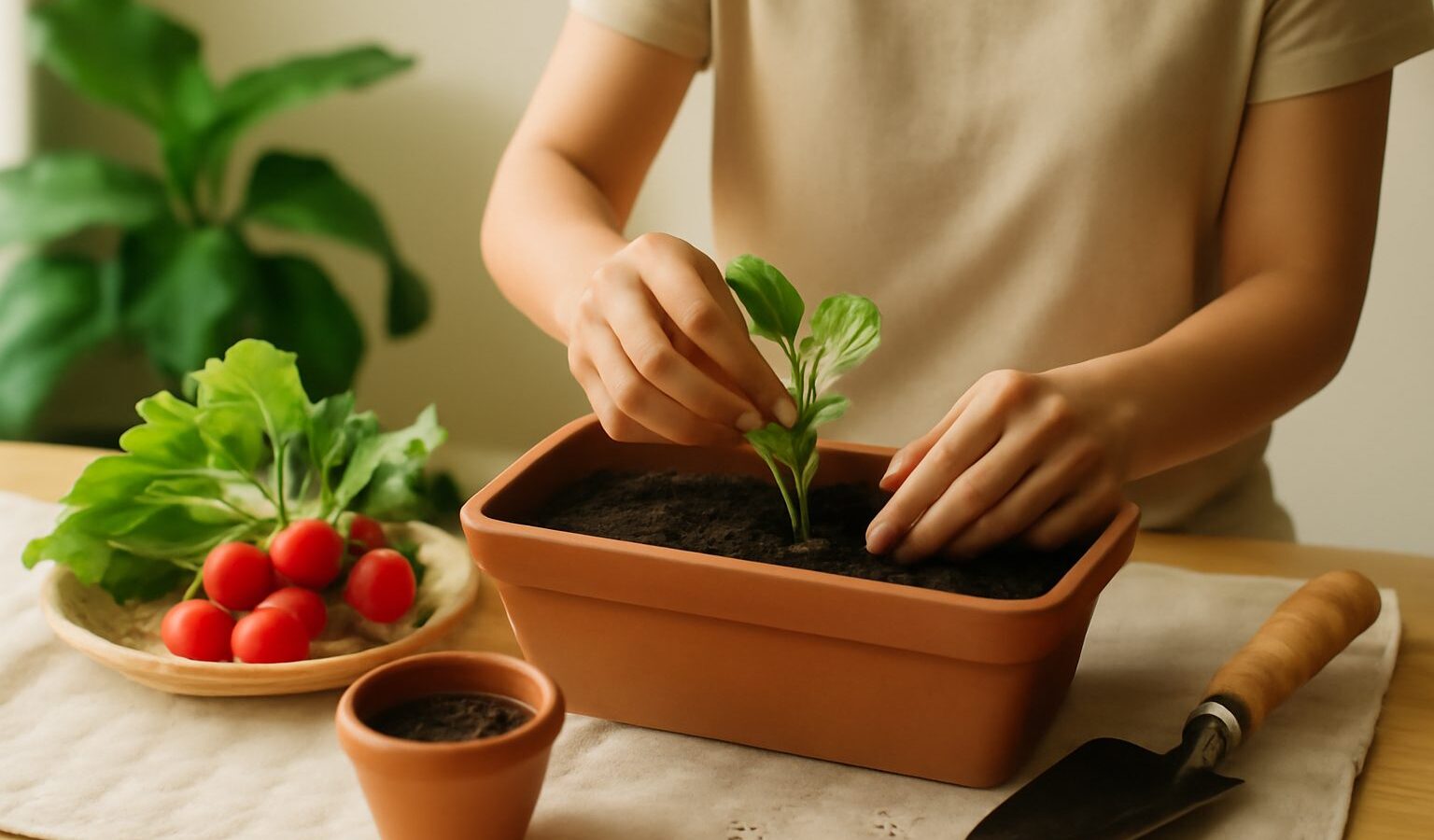
Sow the seeds directly into the container rather than transplanting, as radishes dislike having their roots disturbed. Poke shallow holes about 1cm deep, drop in a seed or two, and space them a few centimetres apart so each root has room to form. Cover lightly and water gently. In our warmth, seeds usually sprout within three to five days.
The classic beginner mistake is sowing too thickly. Crowded radishes compete and produce lots of leaf but small or no roots, so thin out the weaker seedlings once they have their first true leaves, leaving the strongest plants evenly spaced. Sow a fresh batch every couple of weeks for a rolling supply, a habit our guide on seed starting for beginners explains well.
Caring for Radish in Our Climate
Radishes want steady moisture and plenty of light. Aim for around four to six hours of sun a day. A sunny balcony or ledge is ideal, though in the fiercest afternoon heat a little shade helps prevent the plants bolting or turning overly pungent.
Consistent watering is the secret to crisp, mild roots. If the soil swings between bone dry and soaking, roots can crack, split, or turn woody and sharp-tasting. Check the soil daily in our heat and keep it evenly moist, watering when the surface starts to dry. Let excess drain away freely, and never leave the pot standing in a saucer of stagnant water, which is an Aedes mosquito breeding risk. Empty and scrub saucers regularly and follow NParks and NEA guidance on preventing mosquito breeding.
Radishes are fast and do not need heavy feeding. If you used a decent potting mix, they often need nothing extra. Too much nitrogen encourages leafy tops at the expense of the root, so if you feed at all, use a balanced fertiliser at the strength on the label and keep it modest.
The main pests to watch are caterpillars and flea-beetle-type nibblers that chew small holes in the leaves, along with the occasional cluster of aphids. Healthy, fast-growing radishes usually shrug off minor leaf damage. Pick off caterpillars by hand and rinse aphids away, and see our guide on dealing with caterpillars in your garden if they become a nuisance.
Harvesting Crisp Radishes
The joy of radish is how quickly you get to harvest, often within three to five weeks of sowing depending on the type. Do not wait too long. Left in the ground past their prime, radishes turn tough, woody, and unpleasantly hot, and may split. Check by gently brushing soil from the top of a root to see how big it has grown, then pull the ones that are ready and leave smaller ones to size up.
Harvest in the cooler part of the day for the crispest texture, and enjoy them fresh, as radishes are at their best soon after pulling. Do not waste the leafy tops either, as radish leaves are edible and can be used like other leafy greens once washed.
Always wash home-grown produce well before eating, and be sure of what you are harvesting, never eating an unknown plant or an ornamental look-alike. Radish is a wholesome, straightforward crop, so keep this simply about the pleasure of growing and eating your own.
Growing radish at home is fast, forgiving, and endlessly repeatable thanks to those short cycles. Keep the soil evenly moist, thin your seedlings, and sow little and often. Once you are hooked, move on to more roots and greens with our guide on how to grow leafy greens in Singapore and keep your edible corner busy all year round.
Frequently Asked Questions
Why did my radishes grow big leaves but tiny roots? Crowding is the classic cause, as seedlings compete and produce leaf rather than roots. Thin to the strongest plants once the first true leaves appear. Too much nitrogen feed also pushes leaves at the root’s expense.
Why are my radishes cracking or tasting very hot? Swings between bone dry and soaking soil split roots, and leaving them in too long makes them woody and sharp. Keep the soil evenly moist and harvest on time, within a few weeks of sowing. A little shade in fierce afternoon heat helps.
Can children grow radishes easily? Yes, they are among the fastest crops and the quick results suit kids who like pulling something from the soil. Supervise sharp tools and water use. Wash the roots well before eating.
Can I eat the leaves of radishes I grow at home? Radish leaves are edible and can be used like other leafy greens once washed well. Make sure you are sure of what you are harvesting. Use fresh leaves soon after picking.
How deep should a radish pot be? At least 15 to 20cm deep with drainage holes, so the roots can swell without sitting in water. A wide, shallow trough lets you grow a whole row. Use a loose potting mix free of stones.