
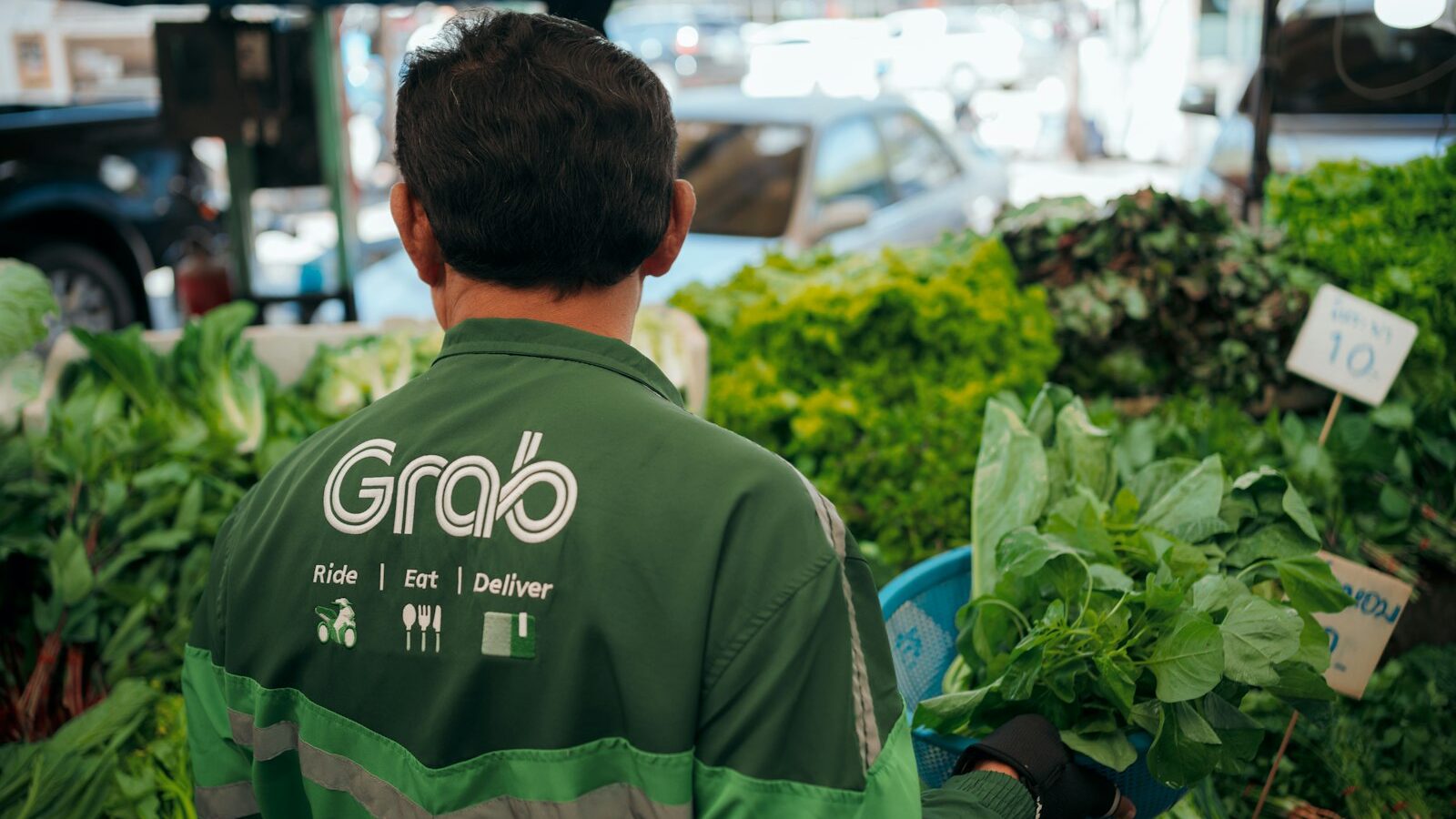
If you want the fastest possible reward from a pot of soil, leafy greens are it. Growing leafy greens in Singapore can take you from seed to a bowl of stir-fried vegetables in as little as three to four weeks, which makes them the perfect confidence builder for anyone who has never grown food before. Better still, the greens that suit our climate are the ones we already love to eat: kangkong, bayam, xiao bai cai and more.
You do not need a garden. A shallow trough on an HDB balcony, a few pots along a bright corridor, or even a sunny kitchen ledge can keep a steady supply of leaves coming. This guide covers which greens thrive in our heat, how to sow and care for them, how to keep cutting for weeks, and how to wash your harvest so it is ready for the wok.
Why Leafy Greens Are the Best Beginner Crop
Leafy greens are forgiving in ways that fruiting crops are not. You are harvesting leaves rather than waiting for a plant to flower and set fruit, so there is far less that can go wrong and far less waiting involved. Many local greens are ready in under a month, and several will keep giving if you pick them the right way.
Our tropical warmth means you can sow all year round, with no growing season to plan around. The trade-off is that some cool-climate salad crops, like tender lettuces, tend to bolt or turn bitter in our heat and are better kept in a shadier, breezier spot. The trick is to lean on the leafy greens that genuinely love it here, and treat the fussier salad types as a bonus rather than your mainstay.
The Best Leafy Greens for Our Heat
The most reliable choices are the Asian greens that have fed the region for generations. Kangkong (water spinach) is almost unkillable, growing fast in warmth and even in very moist soil. Bayam (local spinach) is another quick, heat-loving crop, ready to pick young and tender. Xiao bai cai and other choy sum types are fast, familiar and forgiving. Here is how the beginner favourites compare.
| Green | Speed | Light it likes | Notes for beginners |
|---|---|---|---|
| Kangkong | Very fast | Full sun | Loves moisture and heat; almost foolproof |
| Bayam (spinach) | Fast | Full to part sun | Pick young leaves; very tender |
| Xiao bai cai | Fast | Full to part sun | Watch for caterpillars and leaf-eaters |
| Lettuce and salad greens | Moderate | Part sun, cooler spot | Prone to bolting in heat; give it shade |
Start with one or two of the top three rather than a whole tray of different types. Getting a single trough of kangkong or bayam right teaches you more than juggling five crops that all need slightly different care. Once you have a rhythm, adding a pot of salad greens in a cooler corner is a satisfying next step.
Sowing and Getting Started
Most leafy greens grow easily from seed, which is the cheapest way in and gives you far more plants than buying seedlings. Fill a pot or trough with drainage holes using a general potting mix, which drains better than heavy garden soil in containers. Scatter or space the seeds thinly, cover lightly, and keep the surface consistently moist until they germinate, usually within a few days in our warmth.
As the seedlings grow, thin out the weakest so the rest have room to fill out, and you can eat those tender thinnings straight away. Give the pot as much light as you can, ideally four to six hours a day for the sun-lovers, though the fast Asian greens will still do reasonably in a brighter part-shade spot.
You need very little to begin, and costs vary between shops and seasons, so treat them as rough budget, mid and premium bands and check the nursery or store. A packet of seeds and a bag of potting mix sit firmly at the budget end and will give you weeks of greens, so there is no need to spend much to start.
Watering in the Heat, and Staying Mosquito-Safe
Leafy greens are thirsty, especially in full sun, and shallow troughs dry out quickly in our climate. Most will want watering once or twice a day, in the morning and, if needed, again in the late afternoon. Water at the base, keep the soil evenly moist, and avoid letting it bake dry, which turns leaves tough and bitter and encourages plants to bolt.
Because you will be watering so often, mosquito safety matters here more than almost anywhere in the garden. Never let water collect and stagnate in the saucers, trays or outer containers under your pots, because standing water is exactly where Aedes mosquitoes breed and dengue is a serious, ongoing risk in Singapore. Tip out any collected water within a day, empty and refresh saucers rather than topping them up, and avoid soil that has hardened into a crust that traps water on top. Following NEA’s anti-mosquito advice is part of growing food responsibly, not an optional extra.
Keeping Your Greens Coming and Dealing With Pests
Many leafy greens can be harvested cut-and-come-again style: snip the outer leaves and leave the growing centre, and the plant keeps producing for weeks. Others, like a whole head of xiao bai cai, are pulled up in one go, so sow a small batch every couple of weeks to keep a steady supply rather than a glut followed by nothing.
Soft leaves are a magnet for caterpillars, leaf-eating beetles and the odd snail, particularly on choy sum and xiao bai cai. Check the undersides of leaves regularly and pick pests off by hand where you can. If you do turn to a treatment, follow the product label exactly, keep it away from children and pets, and prefer eco-friendly or organic options such as neem-based sprays. A physical net over the trough is often all it takes to keep leaf-eaters off.
Harvesting, Washing and Where to Buy
Pick greens young and often for the sweetest, most tender leaves. Because these are edibles, always wash them thoroughly under running water before cooking to remove soil, dust and any residue, and only ever eat what you can confidently identify as the intended vegetable. If you have used a pest treatment, follow the label on how long to wait before harvesting.
Seeds are widely available and cheap, which is the beauty of leafy greens. Far East Flora and the nurseries around Sungei Tengah and Thomson stock seeds, seedlings and potting mix, hardware shops and supermarkets often carry local vegetable seeds, and many sellers offer them online. NParks’ Community in Bloom scheme is a great way to meet local growers who will happily share seeds and advice for our climate.
Explore more
Ready to grow more of your own food? Our wider guide to growing vegetables in Singapore is a natural next read, and the easiest edibles to grow rounds up more quick, forgiving crops. When you are ready to plan the whole plot, see how to start a small edible garden.