
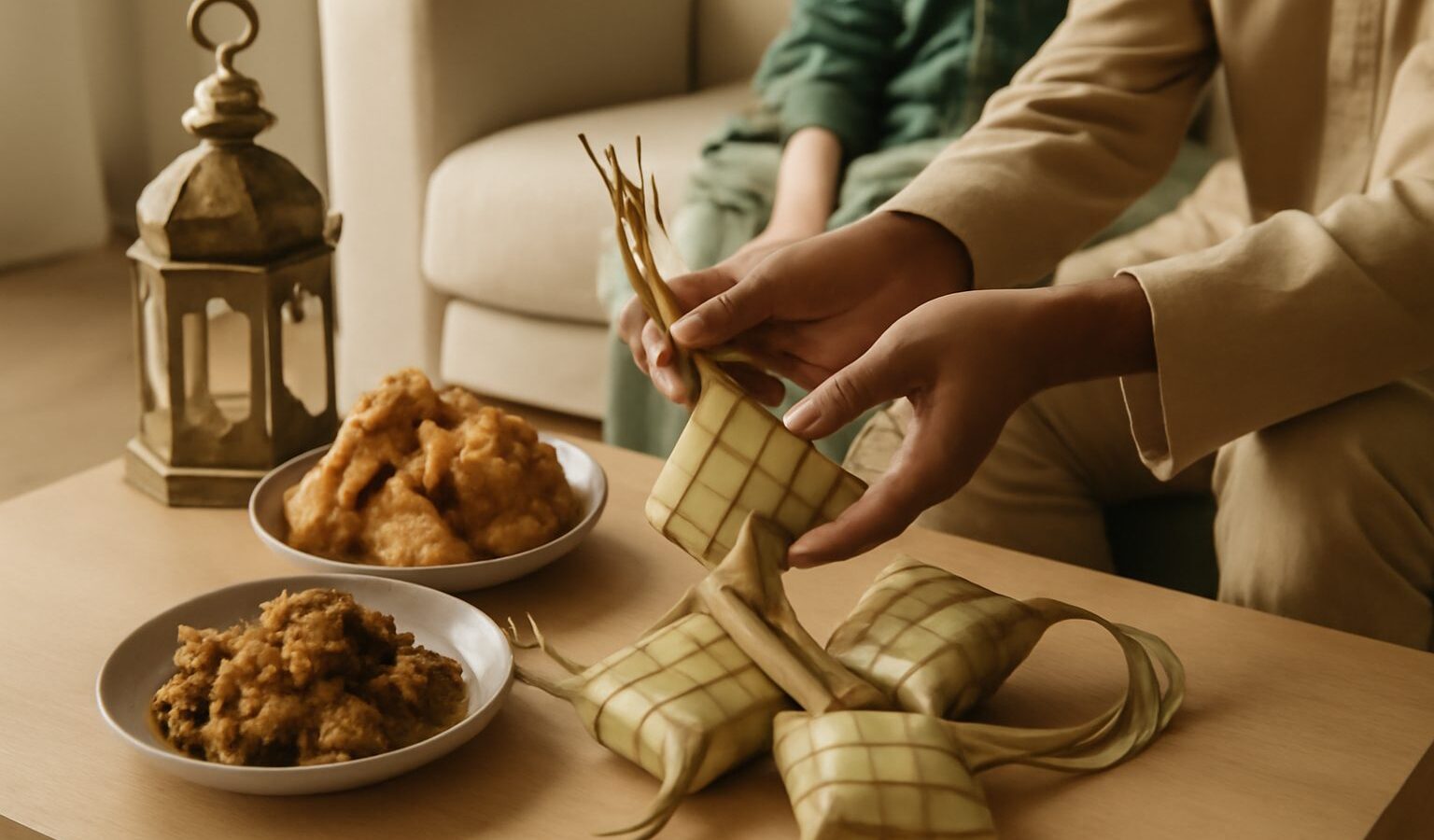
Hari Raya Haji in Singapore is one of the two major festivals observed by the Muslim community, and it is a gazetted public holiday shared by the whole country. Also known as Aidiladha, it is often described in English as the festival of sacrifice. If you are new to Singapore, you may notice mosques busier than usual, families in fine clothes after morning prayers, and news of the annual korban, or ritual sacrifice. This guide explains what the day marks, how it is observed here, and how it differs from the more festive Hari Raya Puasa. Because it follows the Islamic calendar, the date moves each year, so always check the current year’s public holiday list from the Ministry of Manpower.
What Hari Raya Haji marks
Hari Raya Haji falls during the season of the Hajj, the annual pilgrimage to Mecca that many Muslims hope to undertake at least once in their lives if they are able. The festival is closely tied to the completion of the Hajj rites by pilgrims gathered in and around Mecca, so for Muslims in Singapore it is a moment connected to a much larger global gathering.
The day is also associated with a story of devotion and sacrifice that is honoured across several faiths: the account of the Prophet Ibrahim, who was willing to give up what was most precious to him in obedience to God, and whose son was spared, with an animal offered in place. Muslims understand this as a lesson in faith, obedience and willingness to give. Out of respect, this guide simply notes the significance the community attaches to the day rather than making detailed doctrinal claims, which are best explained by religious teachers and official Islamic bodies such as the Islamic Religious Council of Singapore (Muis).
How the day is observed in Singapore
For most families, the morning begins with congregational prayers at the mosque. Worshippers dress in their best, often in traditional Malay attire such as the baju kurung or baju Melayu, and the atmosphere is warm and communal. After prayers, families may visit one another, share meals and spend time together, though the tone is generally quieter and more reflective than the larger celebrations of Hari Raya Puasa.
A defining feature of the day is the korban, sometimes spelled qurban, the ritual sacrifice of livestock. In Singapore this is carried out in an organised and regulated way rather than informally. Participants who wish to take part usually do so through their mosque, contributing towards an animal that is sacrificed on the appointed days. The meat is then divided and distributed, with portions going to the participants, to relatives and neighbours, and importantly to those in need. The act is understood as one of gratitude and sharing, and the distribution to lower-income families is a valued part of it.
How korban is done here
Because Singapore is a dense, urban city, the korban is handled carefully so that it meets religious requirements while respecting public health, animal welfare and space constraints. A few practical points help explain how it works:
- It runs through the mosques. Muis oversees the korban arrangements each year, and participating mosques take registrations, collect contributions and coordinate the process. Members of the public sign up rather than carry it out at home.
- Livestock is brought in for the occasion. Animals are sourced and handled according to religious and regulatory guidelines, with agencies concerned with food safety and animal welfare setting the rules that apply.
- The meat is shared widely. After the sacrifice, the meat is packed and distributed. Many mosques channel a share to needy families, so the day carries a strong charitable dimension.
- Dates are fixed by the Islamic calendar. The korban is performed on the day of Hari Raya Haji and the days that follow, as set out in the Islamic calendar for that year.
If you would like to take part or learn more, the most reliable route is your neighbourhood mosque or the Muis website, which publish the current year’s details, costs and deadlines.
How it differs from Hari Raya Puasa
Newcomers sometimes assume the two Hari Raya festivals are the same, but they mark different things and have a different feel. Hari Raya Puasa, also called Aidilfitri, celebrates the end of the fasting month of Ramadan and is the more elaborate, festive occasion, with open houses, visiting and feasting over several days. Hari Raya Haji comes later in the Islamic year, is tied to the Hajj and the korban, and is generally more solemn. Both are public holidays in Singapore. The table below sets out the main contrasts.
| Feature | Hari Raya Puasa (Aidilfitri) | Hari Raya Haji (Aidiladha) |
|---|---|---|
| What it marks | End of the fasting month of Ramadan | The Hajj pilgrimage and the story of sacrifice |
| General mood | Joyful, festive, lots of visiting | Reflective and communal, quieter |
| Signature practice | Open houses, feasting, seeking forgiveness | Korban (ritual sacrifice) and sharing meat |
| Timing in the year | Earlier in the Islamic calendar | About two months later |
| Public holiday | Yes | Yes |
| Date each year | Moves earlier each year | Moves earlier each year |
The public holiday and what stays open
Hari Raya Haji is one of Singapore’s gazetted public holidays, so government offices, schools and many businesses close for the day. As with other holidays here, essential services keep running, and much of the retail, dining and transport network carries on as normal, which is part of what keeps the city moving. If the holiday falls on a Sunday, the following Monday is typically observed in its place, a rule that can create a long weekend. Because the date is set by the Islamic lunar calendar, it shifts by roughly ten to eleven days earlier each year against the Western calendar, so the exact date is different annually. For planning, check the official public holiday list published by the Ministry of Manpower for the year in question rather than assuming a fixed date.
Respectful notes for everyone
You do not need to be Muslim to appreciate the day, and a little awareness goes a long way in a society that values racial and religious harmony. If a Malay or Muslim friend or colleague is celebrating, a simple “Selamat Hari Raya Haji” is a warm and welcome greeting. If you visit a home, dressing modestly and accepting food or drink graciously is appreciated, and it is polite to check whether removing your shoes at the door is expected. Around mosques on the day, be patient with larger crowds and parking, and treat the occasion with the same courtesy you would want for your own traditions. The shared spirit of the festival, gratitude and giving to those in need, is something anyone can respect.
Explore more
To see how Singapore’s festivals fit into the national rhythm, read our guide to Singapore’s public holidays. For the bigger picture of how different communities live side by side here, see racial and religious harmony in Singapore. Both add helpful context to the festivals you will encounter through the year.