
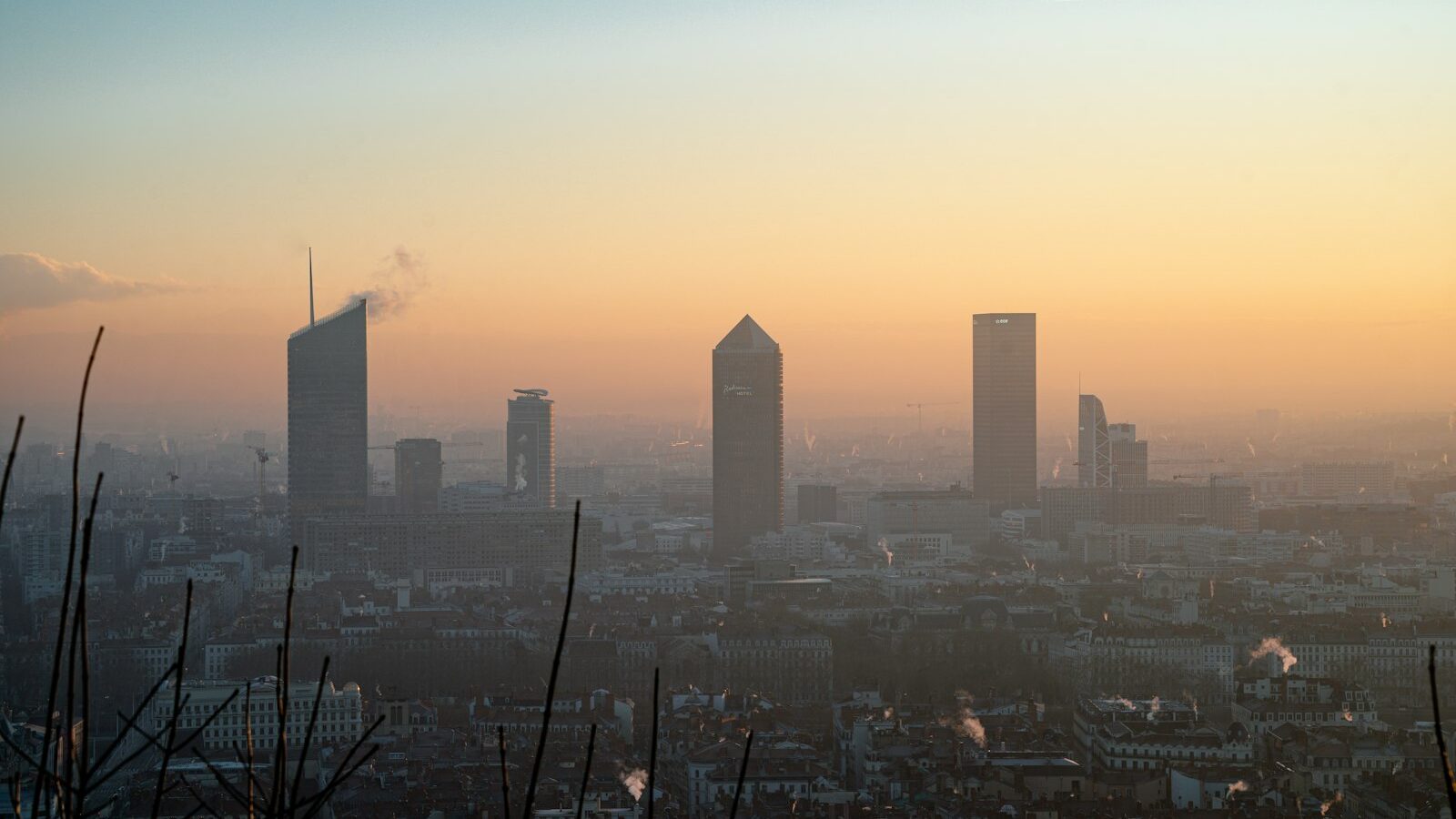
If you have spent a September in Singapore, you may already know the signs of haze: a faint smoky smell indoors, a whitish sky, and that scratchy feeling at the back of your throat. Haze Singapore residents deal with is not local smog from traffic; it usually drifts in from regional land and forest fires during the drier months. This guide explains what the haze is, how to read the air quality figures you keep hearing about, and the practical steps you can take to stay comfortable. It is general information, not medical advice.
What the haze is and when it happens
Haze is a build-up of tiny particles and smoke in the air, fine enough to travel long distances on the wind. In this part of Southeast Asia, it is largely transboundary, meaning it crosses borders after fires used to clear land elsewhere in the region. Dry, still conditions let the smoke linger instead of being washed out by rain.
There is no fixed calendar for it, but the haze season tends to fall in the drier stretch of the year, often somewhere between roughly June and October, and it can be worse in strong El Nino years. Some years pass with barely a whiff; others bring several hazy weeks. Because it depends on weather and fires you cannot see, the only reliable way to know today’s situation is to check live readings rather than guess from the sky.
How to read the PSI
Singapore measures air quality using the Pollutant Standards Index, or PSI. When people talk about “psi singapore” readings during a hazy spell, this is the number they mean. The PSI combines several pollutants into one figure, and during haze the key one is fine particulate matter known as PM2.5, the small particles that reach deep into the lungs.
The National Environment Agency (NEA) publishes the PSI in easy-to-read bands. As a rough guide:
- 0 to 50 (Good): Air quality is clean. Carry on as normal.
- 51 to 100 (Moderate): Generally fine for everyone. Nothing special needed.
- 101 to 200 (Unhealthy): Reduce prolonged or strenuous outdoor activity, especially if you are in a sensitive group.
- 201 to 300 (Very Unhealthy): Avoid strenuous outdoor exertion; everyone should limit time outdoors.
- Above 300 (Hazardous): Minimise all outdoor activity and stay indoors as much as you can.
NEA reports the PSI as a 24-hour reading, which is the one health advisories are based on. It also publishes a 1-hour PM2.5 reading by region (north, south, east, west, central) that reacts faster and is handy if conditions are shifting quickly. Bands and exact advice can be updated, so treat the numbers above as orientation and follow NEA’s current guidance.
A clear-looking evening does not always mean clean air, and a grey sky is not always dangerous. Check the actual reading before you decide.
Who needs to take extra care
Haze affects everyone, but some people feel it sooner and more strongly. Take extra care if you or someone you look after falls into a vulnerable group:
- Older adults
- Young children and babies
- Pregnant women
- People with heart or lung conditions, such as asthma
- Anyone already feeling unwell
For these groups, it is worth acting at a lower PSI than the general population would, and keeping any regular medication, such as an asthma inhaler, close at hand. If symptoms such as breathlessness, chest discomfort, or a persistent cough appear, seek medical attention rather than waiting it out.
Protective steps that actually help
You cannot control the haze, but you can reduce how much of it you breathe. A few simple habits go a long way.
Stay indoors and keep indoor air cleaner
When readings climb, the easiest win is to spend more time indoors with windows and doors closed. In a closed, air-conditioned room the air is usually noticeably better than outside. An air purifier with a HEPA filter can lower indoor particle levels further, which many families find worthwhile in a bad haze season. Run it in the room where you spend the most time, such as the bedroom, and keep the doors shut.
Choose and wear an N95 mask
For unavoidable time outdoors when air quality is poor, an N95 mask offers real protection because it is designed to filter out fine particles, unlike a loose surgical or cloth mask. A few pointers on using an n95 mask well:
- Pick the right size so it seals against your face with no gaps at the edges.
- Press the metal strip snugly over the bridge of your nose.
- Replace it once it becomes damp, dirty, or hard to breathe through.
One caution: N95 masks make breathing a little harder, so they are not suitable for young children, and anyone with a heart or lung condition should check with a doctor before relying on one. They are for short, necessary trips outside, not a reason to treat unhealthy air as normal.
Look after the basics
- Stay hydrated. Drink water regularly; it helps you feel better through a hazy stretch.
- Ease up on exercise. Swap the outdoor run for something gentler indoors when the PSI is high.
- Soothe irritation. Eye drops and staying indoors help with the itchy, watery eyes many people get.
- Rest if you are unwell. Do not push through symptoms.
Quick haze checklist
Keep this handy when the haze season arrives:
- Check the NEA reading before heading out, in the morning and again later in the day.
- Keep a few N95 masks at home so you are not caught short.
- Set up an air purifier, or identify the room you will close up and cool.
- Note who in your household is more vulnerable and plan around them.
- Keep any needed medication topped up and within reach.
Where to check live readings
The most important habit of all is checking a trusted, up-to-date source rather than relying on how the sky looks or on forwarded messages. In Singapore, the authority for this is the National Environment Agency. You can find current PSI and PM2.5 figures, regional breakdowns, and the latest health advisories on the NEA website and its haze microsite at haze.gov.sg, as well as the myENV app. Because the haze can change within hours, make live NEA readings your first stop, and let the current PSI, not guesswork, guide your day.
Explore more: Surviving the Singapore heat and our guide to healthcare in Singapore.