
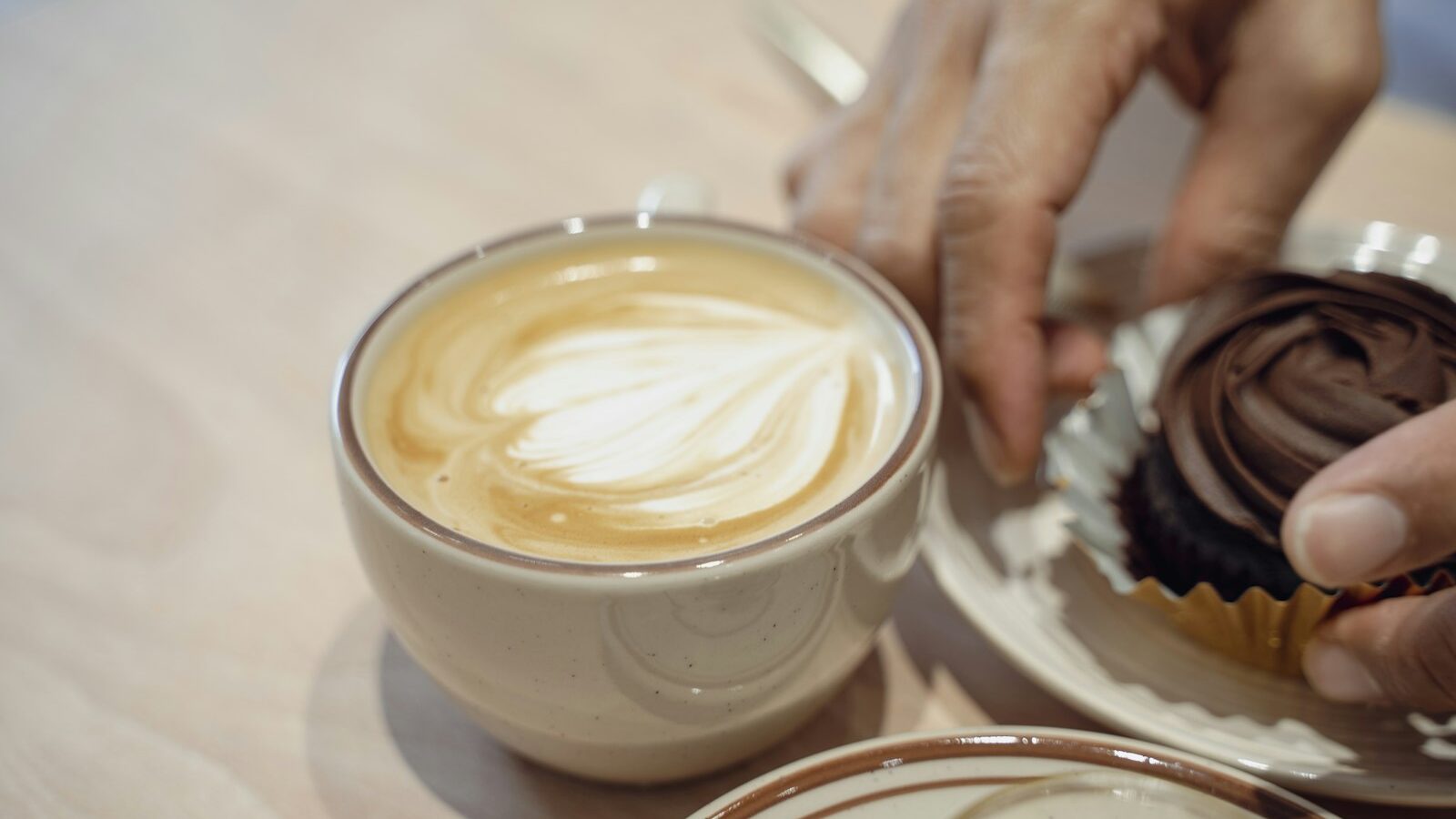
Singapore loves a sweet ending. From chilled mango sago and warm tau suan to bingsu, kaya toast and the birthday cake that appears at every office celebration, dessert is part of how we mark good moments. So it is a relief to say plainly: enjoying sweets is not the enemy of eating well. The idea behind healthy desserts and treats in moderation is not to ban the things you love, but to fit them into a normal, happy life without guilt or extremes. This is general guidance, not medical or dietitian advice, so anyone managing diabetes, blood sugar or another condition should follow their own doctor and dietitian.
Why Moderation Beats Cutting Out
Strict rules tend to backfire. Label a food “forbidden” and it usually becomes more tempting, not less, until one slip turns into an all-out binge and a spiral of guilt. That cycle is stressful and hard to keep up. Moderation is calmer and far more sustainable: you can have the treat, just not unlimited amounts of it all the time.
Think of your eating over a week, not a single day. One slice of durian cake or a bowl of ice kacang does not undo good habits, in the same way one salad does not cancel out a week of takeaway. What matters is the overall pattern. When most of your meals are balanced, there is plenty of room for the treats that make life enjoyable.
It also helps to drop the “good food, bad food” moralising. Food is not a test of character, and you do not need to “earn” or “burn off” a dessert. That mindset fuels an unhealthy relationship with eating. If sweets or food rules cause you ongoing distress, it is worth reading about mindful eating and your relationship with food, and speaking to a professional; you can also reach mindline at 1771.
What Makes A Dessert A Little Healthier
No dessert is truly a health food, and that is fine. But some choices are gentler than others, mostly down to how much added sugar and refined flour they carry, and whether they bring anything else useful along, such as fruit, dairy or wholegrains. This is about nutrient density, the idea of getting a bit more goodness for the sugar you spend. If that term is new, our beginner’s guide to nutrition basics explains it simply.
Here is a general comparison of everyday treats, from more to less nutritious. These are gentle guidelines, not strict rules, and portion still matters more than any label.
| Treat type | Roughly where it sits | Why |
|---|---|---|
| Fresh fruit, yoghurt with fruit | Most nutritious | Natural sweetness plus fibre, vitamins or protein |
| Dark chocolate, a small handful of nuts | Better everyday pick | Richer and more satisfying in small amounts |
| Traditional kueh, red bean soup, tau suan | Middling | Often lighter on fat; sugar still adds up |
| Cake, cheng tng, sweet local drinks | Occasional | Enjoyable treats, higher in sugar |
| Deep-fried, cream-laden desserts | Now and then | Best kept for real celebrations |
None of these are off-limits. The point is simply to notice where a choice sits so your everyday sweet is often nearer the top and the richest ones stay special.
Simple Swaps And Smarter Portions
You can enjoy dessert more often when you make small, painless adjustments. The goal is satisfaction, not sacrifice.
- Let fruit do the sweetening. A bowl of ripe mango, watermelon or berries is a genuine dessert. Frozen banana blitzed into “nice cream”, or fruit with a spoon of yoghurt, feels indulgent for very little added sugar.
- Share the rich stuff. Split a slice of cake or a bowl of chendol with a friend at the food court. You get the taste of the treat with half the amount.
- Downsize by default. Order the smallest bubble tea, choose one scoop instead of three, or plate a small portion at home rather than eating from the tub. Our guide to understanding portion sizes has more on this.
- Order it less sweet. Ask for less sugar in drinks and desserts where you can. Traditional sweets like tau suan or soya beancurd can be ordered siew dai.
- Bake with less. At home you can often cut the sugar in a recipe by a third with little difference, add oats or wholemeal flour, and use fruit for moisture.
When you do have a proper treat, slow down and actually taste it. Eaten mindfully, a couple of squares of good chocolate satisfies far more than a whole bar wolfed down in front of the TV.
Handling Cravings And Everyday Situations
Cravings are normal and not a sign of weakness. Often a strong sweet urge is really tiredness, stress, boredom or plain hunger in disguise. Before reaching for something, a quick check helps: are you actually hungry, or do you just need a break, a glass of water or an early night? If the craving is real, honour it with a sensible portion rather than pretending it away until you overeat later. There is more on this in our guide to handling food cravings.
A few situations trip people up, and each has an easy fix:
- The daily office treat. Someone always brings snacks. Enjoy them sometimes, not automatically every single day; a polite “not today” is fine.
- Festive spreads. During Chinese New Year, Hari Raya, Deepavali and Christmas, treats are everywhere. Pick your favourites, savour them, and let the rest go rather than eating everything within reach.
- The 3pm slump. This is often tiredness, not true hunger. A walk, water or a snack with some protein may serve you better than sugar that leads to a crash.
- Late-night supper. A sweet drink or dessert near bedtime can disturb sleep. Keep richer treats for earlier in the day.
The through-line in all of this is balance rather than restriction. Build mostly balanced meals, keep fruit and a few gentler options within easy reach, and treat the richest desserts as the special pleasures they are. Done this way, healthy desserts and treats in moderation stop being a contradiction and simply become part of eating well in Singapore. For advice tailored to your health, weight or a medical condition, see your doctor or an accredited dietitian.