
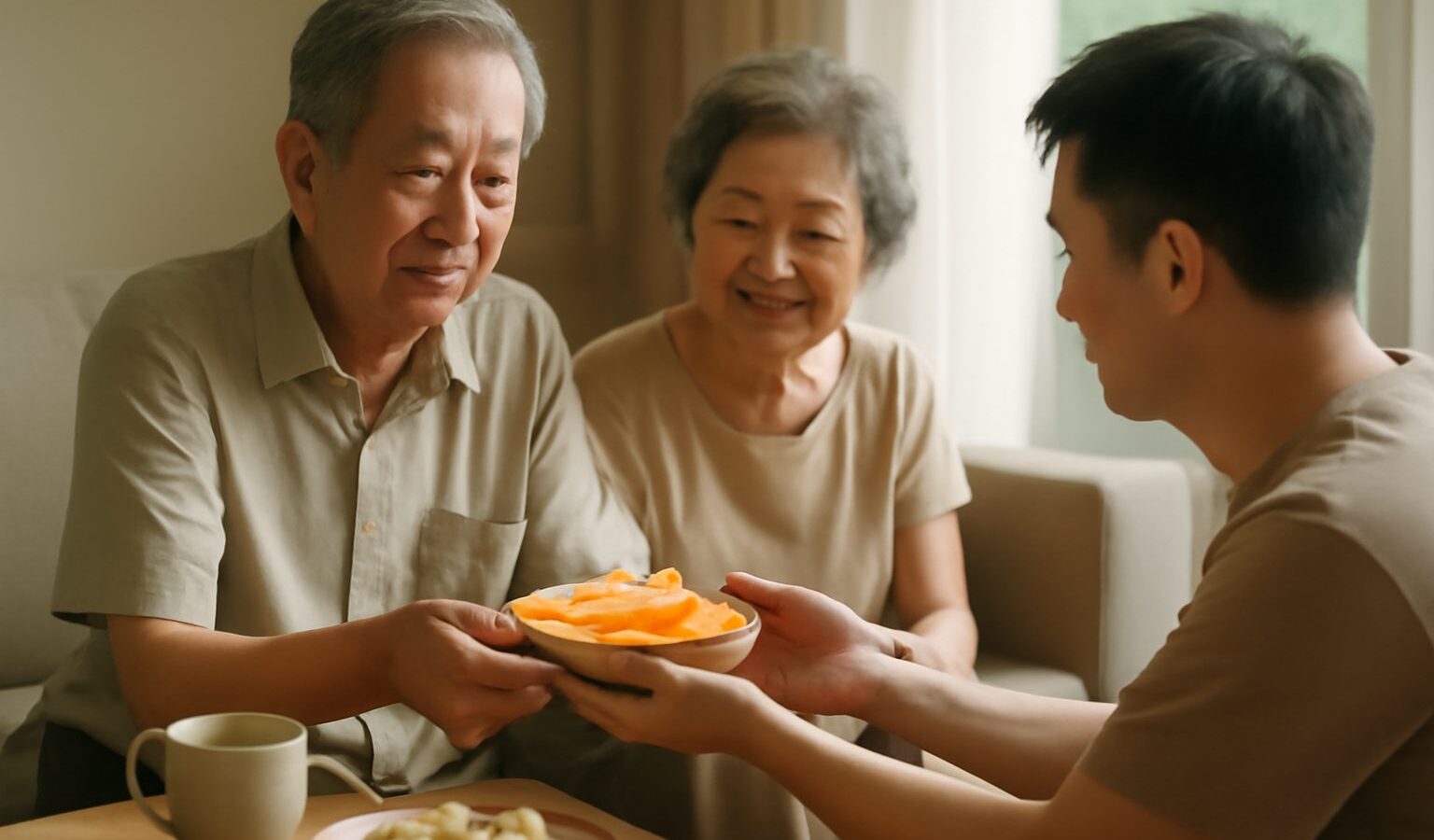
When you bring your parents from the mainland to help with the grandchildren or simply to keep the family together, you gain priceless support and they gain a whole new world to make sense of. Grandparents adjusting to Singapore often carry a quiet weight: a new language mix, unfamiliar shops, and friends left far behind. With patience and a few practical steps, that adjustment can turn into a genuinely happy chapter. This guide covers the passes to look into, daily routines that build confidence, ways to find community, and how to watch over their wellbeing.
Sorting Out Their Stay
Before anything else, get their immigration status right so nobody worries about it later. Parents visiting for a short while may come on a visit pass, but if they will spend long stretches with you, a longer-term arrangement is usually more suitable. A Long-Term Visit Pass (LTVP) is one route through which eligible family members of certain pass holders or residents can stay for an extended period, but eligibility, sponsorship, and conditions are set by the Immigration and Checkpoints Authority (ICA) and can change.
Because these rules are specific and do change, treat this as a starting point and confirm your parents’ options and current requirements directly with ICA. It is also worth understanding, calmly and factually, that China does not recognise dual nationality, so any question touching passports, long stays, or status on the Chinese side should be checked with the Chinese Embassy. Getting the status settled removes a background anxiety and lets everyone focus on settling in.
Building a Comfortable Daily Routine
For an older person, confidence grows from small, repeatable wins. The first weeks are about turning an intimidating city into a familiar neighbourhood. Start close to home and widen the circle gradually.
- Master the nearby essentials first: the wet market, the supermarket, the coffee shop, and the void deck route to the lift.
- Practise one trip at a time, walking to the nearest MRT or bus stop together before they try it alone.
- Set up an EZ-Link or concession card for travel, and show them how tapping in and out works.
- Introduce PayNow and simple cashless habits gently, while reassuring them that cash is still widely accepted.
- Find the familiar: point out where to buy mainland ingredients, sauces, and teas so cooking feels like home.
Food is a powerful anchor. Singapore’s markets and supermarkets carry plenty that a mainland parent will recognise, and a kitchen stocked with familiar staples does wonders for morale. Let them cook the dishes the family loves; it gives them a valued role and a sense of purpose in the household.
China and Singapore Daily Life Compared
Many small differences add up to that “everything is strange” feeling. Naming them out loud helps your parents adjust faster and reassures them that the gaps are bridgeable.
| Everyday area | Familiar from the mainland | The Singapore version |
|---|---|---|
| Payments | WeChat Pay and Alipay everywhere | PayNow and cards, with cash still fine |
| Messaging | WeChat as the default | WeChat still works; WhatsApp is common locally |
| Shopping | Taobao and local markets | Wet markets, supermarkets, local apps |
| Language | Putonghua and dialects | Mandarin plus English and local terms |
| Community | Neighbourhood and square dancing | Community centres and resident groups |
Reassure them that they do not have to abandon what they know. WeChat still connects them to relatives back home, and Mandarin will carry them a long way here. The aim is to add Singapore habits alongside their own, not to replace a lifetime of familiarity overnight.
Finding Friends and a Sense of Belonging
Loneliness is the quiet risk of a later-life move. A parent who was surrounded by neighbours and old friends can feel isolated in a high-rise flat where everyone is out at work and school. Building a social life is not a luxury; it is central to their wellbeing.
- Community centres and clubs, run under the People’s Association, offer affordable classes, from tai chi to calligraphy, where Mandarin speakers are easy to find.
- Senior activity centres and residents’ networks in the neighbourhood often welcome older newcomers to gatherings and outings.
- Parks and morning exercise groups are natural, low-pressure places to meet peers who keep similar hours.
- Places of worship or interest groups can provide a ready-made community for those who want one.
- Family outings to gardens, the waterfront, or a favourite kopitiam give them shared experiences and something to look forward to.
Encourage one small social step at a time. A single friendly face at the community centre can change the whole texture of their week.
Watching Over Their Wellbeing
Adjustment is emotional as much as practical. It is normal for an older parent to feel homesick, to miss their routines, or to go quiet for a while. Watch gently for signs that it is more than a passing phase, such as lasting low mood, withdrawal, poor sleep, or loss of interest in things they used to enjoy. These deserve attention and kindness, not dismissal.
For health matters, help them register with a nearby GP or polyclinic and understand how to seek care, and remember that as visitors their healthcare access and any insurance differ from a resident’s, so check the specifics rather than assuming. For emotional wellbeing, Singapore has support lines and mental health resources; look up the current helpline numbers together from official sources such as HealthHub or the Agency for Integrated Care (AIC), since numbers can change. If you have real concern about their mental or physical health, encourage them to see a doctor.
Above all, give it time. Grandparents adjusting to Singapore usually find their feet within a year, especially when the family is patient, includes them in decisions, and honours their role. The reward is a home where three generations share meals, language, and love across two countries.
This article is general and practical information, not immigration, medical, or legal advice. For passes and eligibility confirm current rules with ICA, for Chinese consular matters check with the Chinese Embassy, and for any health or mental health concern seek a qualified professional.
Explore more
Grandparents often become the family’s Mandarin champions, so pair this with finding Mandarin speech therapy and enrichment for your child. If the wider family move is still in motion, the practical guides on negotiating a relocation package and understanding your In-Principle Approval letter will help you plan everyone’s arrival together.