
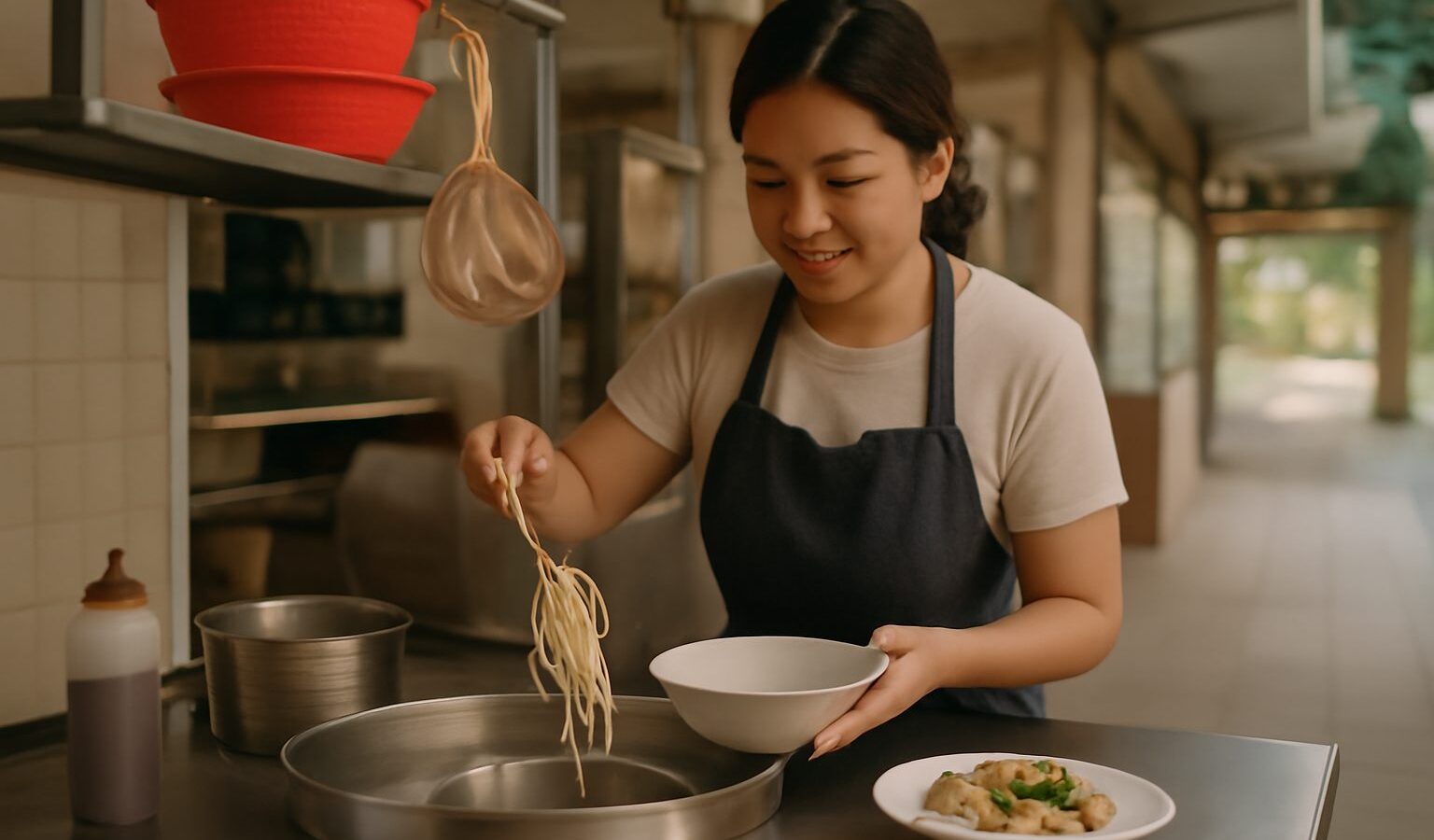
Hawker food is part of Singapore’s soul, and a good stall can build a loyal following that lasts for decades. It is also one of the most accessible ways into the food trade, with a smaller footprint and lower entry cost than a full restaurant. But do not mistake accessible for easy. Starting a hawker stall Singapore-side means long hours over a hot wok, thin margins, and real discipline around cost and consistency. This guide walks you through securing a stall, the licences, the money, and the daily reality.
The Opportunity and Who It Suits
A hawker stall lets you focus on doing one thing exceptionally well, whether that is chicken rice, laksa, prata, or a modern twist on a classic. Because the space is compact and the rent is generally lower than a shopfront, a single dish done brilliantly can build a queue and a reputation without heavy capital.
This business suits people with genuine cooking skill, physical stamina, and the temperament for early starts and long, hot shifts. Hawker work is demanding and repetitive, and it rewards those who can hold quality identical from the first bowl to the last. It also increasingly attracts younger entrants bringing fresh concepts to traditional formats. If you can cook well, count carefully, and keep showing up, it fits. If you want comfort and short hours, it will not.
Securing a Stall, ACRA, and the SFA
There are two broad ways to get a stall. You can rent a stall in a hawker centre managed by NEA or its appointed operators, typically through a tender or bidding process where you submit a bid for the stall you want. You can also sub let or take over a stall in a privately run coffee shop or food court, where terms are set by the private operator. NEA’s tender route is the common public path, and you should check the current tender listings, procedures, and conditions directly with NEA, since these change and vary by location.
Register your business with ACRA. A sole proprietorship is a common, simple start for a single stall, while a private limited company offers limited liability if you plan to grow into several outlets. Confirm the right fit with an accountant or corporate secretary.
Food safety is governed by the Singapore Food Agency (SFA). A cooked food stall generally needs the relevant SFA licence for the stall, and you and your assistants will typically need to complete the required food safety course and register as food handlers. NEA oversees hawker centre hygiene and cleanliness, and your stall’s grading reflects that. If you want to sell as halal, that certification is a separate process through MUIS. Rules and fees change, so confirm current requirements with NEA and SFA before you commit to a bid or a lease.
Costs and Getting Started
No single startup figure is honest, because a bid for a prime stall, the equipment you need, and your renovation all vary widely. Understand the drivers instead.
| Cost driver | What affects it |
|---|---|
| Stall rental or bid | Location, footfall, and the tender or private terms |
| Renovation and fit out | Bringing the stall to a food grade, workable state |
| Equipment | Cooking gear, chillers, and utensils for your dish |
| Ingredients and supply | Volume, quality, and how well you negotiate |
| Manpower | Whether you run solo or hire assistants |
The stall cost itself, whether a winning tender bid or private rent, plus renovation and equipment, forms the bulk of your entry cost. A prime location draws more footfall but costs more, while a quieter site is cheaper but demands you pull in your own crowd. Ingredients are a daily running cost where careful sourcing and portioning protect a thin margin. Manpower is a real constraint, since Singapore’s tight labour market and foreign worker rules make hiring assistants a planning task, and many hawkers start by running solo or with family.
Keep a cash buffer for slow early weeks while you build regulars. Look into Enterprise Singapore and productivity support schemes for local food businesses, but verify any amounts and eligibility, since they change. Register for GST with IRAS only when required or beneficial, and keep clean daily records from the start.
Running and Growing the Stall
Consistency and cost control are everything at hawker margins.
- Perfect one signature dish. A stall known for doing one thing outstandingly gives people a reason to queue and to return.
- Cost your plate precisely. Know your ingredient, gas, and packaging cost per serving, and price for a margin you can live on.
- Control waste and portions. At thin margins, tight portioning and buying to demand decide whether you profit.
- Keep quality identical. Regulars come back for the taste they remember, so standardise your recipe and process.
- Build word of mouth. Loyal customers, good reviews, and a genuine following are a hawker’s most valuable asset.
Growth for hawkers often means a second stall, a small central kitchen to supply several outlets, or extending into catering and pre orders. Each step multiplies your operational load, so systemise your recipe and prep before you expand, not after.
Common Pitfalls to Avoid
The most common misjudgement is underestimating the physical and time demands. Hawker work is long, hot, and relentless, and many newcomers burn out. Others win a bid on an expensive stall whose footfall cannot support the rent, or price too low and never earn a real wage for punishing hours. Some skip proper costing entirely, mistaking a busy stall for a profitable one. And inconsistent food quietly loses the regulars who make a hawker business viable.
Guard against these by choosing your location with real footfall in mind, costing your dish honestly, keeping quality rock steady, and holding a cash buffer for the slow start. Starting a hawker stall Singapore-wide is a proud, meaningful path into food, and run with skill and discipline, it can support you and delight your neighbourhood for years.
This article is general information, not legal, financial, or tax advice. Tender, licensing, and cost details change, so confirm current requirements with NEA, the SFA, ACRA, and IRAS, or consult a qualified professional before committing.
Explore more
Weighing your food options? Compare a bakes led model in our guide to starting a bakery, look at drinks with starting a bubble tea business, or consider supplying events through a catering business.