
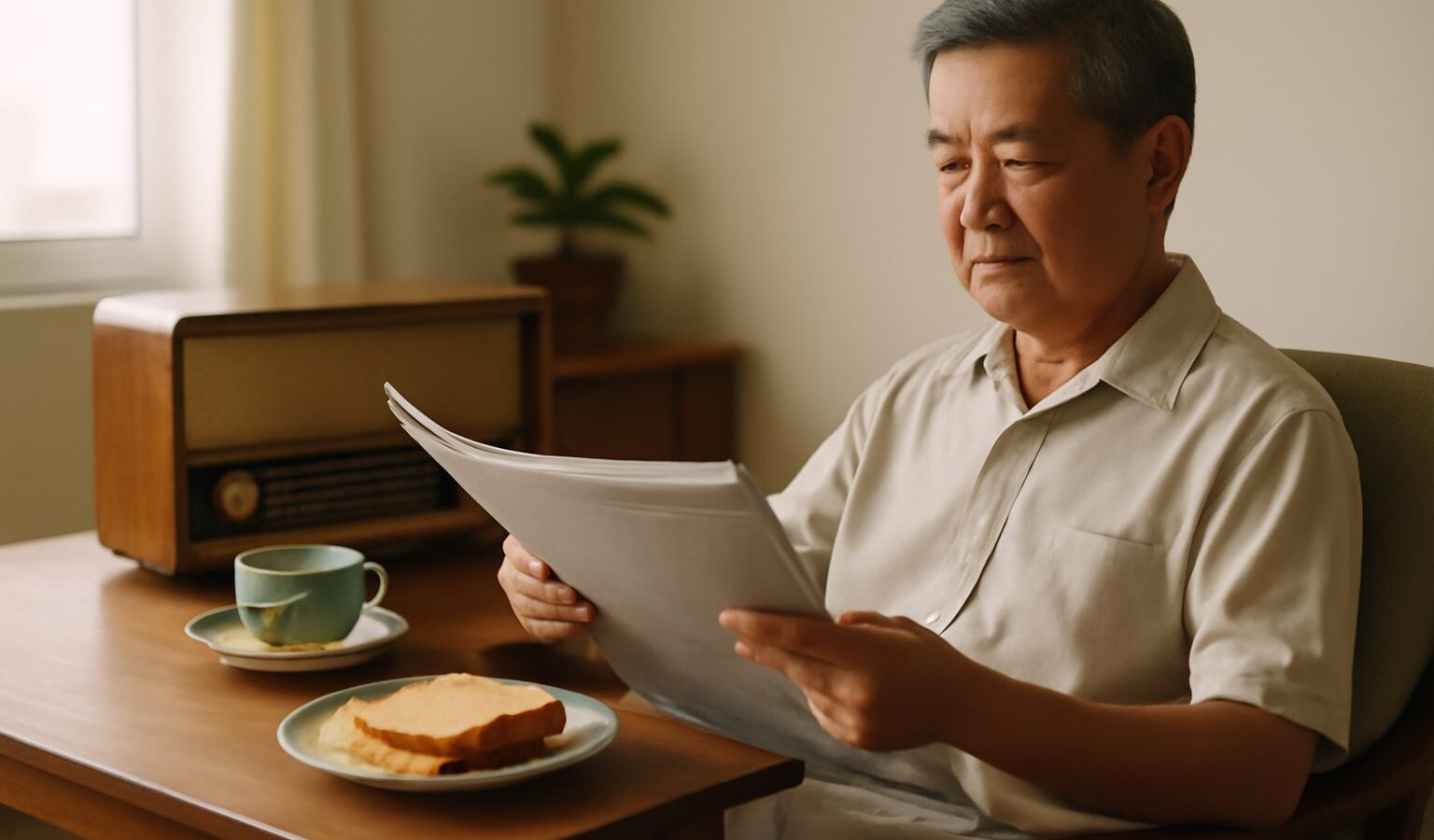
The story of Singapore newspapers history is really the story of a busy port city talking to itself in many languages. Long before radio and television, printed papers carried news, opinion, advertisements and gossip to a diverse population. Tracing this heritage reveals how information, identity and community grew together on a small and crowded island.

The rise of the printed word
Singapore’s location as a trading hub made it a natural home for the printed press. Merchants needed shipping news and prices, communities wanted news from home, and a literate readership was eager for reports on local and world affairs. Printing presses set up here early, and papers soon became part of the rhythm of city life.
English-language papers served the colonial administration, businesses and an English-educated readership. They covered commerce, politics and social life, and over time they became institutions in their own right. For many years the morning paper was a fixture of the breakfast table and the coffee shop alike.
A press in many languages
What makes Singapore’s press heritage distinctive is its plurality. This was never a one-language media landscape. Alongside the English papers flourished a vibrant vernacular press serving the island’s major communities in their own tongues.
Chinese-language newspapers built large and loyal readerships, carrying not only news but also literature, commentary and community notices. Malay-language papers served Malay readers across the region and played an important part in cultural and political life. Tamil-language papers connected the Indian community to news both local and from the subcontinent.
Why the vernacular press mattered
The vernacular papers did more than report events. They nurtured languages, published serialised stories and poetry, and gave communities a public voice. For readers who were more comfortable in their mother tongue than in English, these papers were a lifeline to the wider world and a mirror of their own community’s concerns.
From print to airwaves
As technology advanced, the spoken and broadcast word joined the printed page. Radio brought news, music and entertainment into homes and coffee shops, reaching even those who could not read. Broadcasts in several languages meant that families across the island could gather around a set and share in the same programmes.
Radio had a particular intimacy. A voice in the living room, a familiar tune, a news bulletin at a set hour, these became part of the daily routine. In an era before screens, radio was often the closest thing to a shared national experience.
The arrival of television
Television marked another leap. Moving pictures in the home changed how people spent their evenings and how they encountered news and drama. Families crowded around early sets, and shared programmes became talking points at work and school the next day.
Like radio and the press before it, television broadcast in multiple languages, reflecting the plural society it served. News, variety shows, dramas and public information programmes all found audiences. Over time, television became one of the most powerful ways that Singaporeans experienced current affairs and popular culture together.
Comparing the media of the era
Each medium had its own strengths and reached audiences in different ways. The table below offers a broad comparison of the main forms of media in Singapore’s heritage.
| Medium | Main strength | Typical setting |
|---|---|---|
| Newspapers | Depth and permanence | Home, coffee shop, office |
| Vernacular press | Mother-tongue reach and culture | Community and household |
| Radio | Immediacy and intimacy | Living room, shops, hawker stalls |
| Television | Shared visual experience | Family living room |
Media and everyday life
For much of the twentieth century, media shaped the texture of daily life in Singapore. The newspaper vendor, the crackle of a radio at a hawker stall, the neighbourhood gathering to watch a popular television serial, these were ordinary scenes woven into the city’s fabric.
Media also helped stitch a diverse population together. Even when people read different papers or watched programmes in different languages, they were often responding to the same events, following the same national story from their own vantage points. Shared headlines and broadcasts gave a scattered, multilingual society common reference points.
A record of the nation’s journey
Taken together, the newspapers, radio and television of the past form an invaluable record of Singapore’s development. They captured the debates, hopes and anxieties of each era, from the bustle of the port city to the challenges of building a nation. Old papers and archived broadcasts are among the richest windows we have into how earlier generations lived and thought.
A living heritage
The media landscape has changed enormously since those early decades, yet the heritage endures. The plurality of languages, the mix of print and broadcast, and the deep place of news in daily life all trace their roots to this history.
Understanding Singapore newspapers history, and the broadcasting that grew alongside it, helps us appreciate how a small island stayed informed, entertained and connected. It reminds us that the media were never mere channels of information. They were part of how communities understood themselves, and part of how a young nation came to share a common story.
The people behind the pages and broadcasts
It is easy to think of media as institutions, but they were made by people. Reporters walked the streets chasing stories, editors weighed what mattered, typesetters laboured through the night, and delivery boys carried bundles of papers to doorsteps before dawn. In the broadcast stations, presenters, engineers and producers worked to bring voices and pictures into living rooms. Each of them contributed to a shared public conversation that helped a diverse society understand itself.
The languages they worked in mattered too. By publishing and broadcasting in English, Chinese, Malay and Tamil, the media respected the plural nature of the society they served, and helped each community feel seen and heard. This multilingual character was not incidental. It was central to how the media reflected and reinforced the identity of a nation made of many peoples.
To read an old headline or hear a recording of an early broadcast is to touch that heritage directly. It is a reminder that behind every era of change, there were reporters, presenters, printers and readers doing the everyday work of keeping a nation informed.
Explore more: Old Singapore Nostalgia · Singapore History Timeline · The Singapore Founding History
Frequently Asked Questions
Why did Singapore have newspapers in English, Chinese, Malay and Tamil? The island was a trading hub with a diverse population, so each major community wanted news in its own tongue. Vernacular papers also nurtured languages, published serialised stories and poetry, and gave communities a public voice, which English papers alone could not do.
How can you read old Singapore newspapers today? The National Library Board’s archives hold digitised old newspapers that the public can search, and libraries offer research help. Check the current collection and access conditions on the official website, since coverage differs between titles and years.
How did radio reach people who could not read? Radio brought news, music and entertainment into homes and coffee shops through the spoken word, so literacy was not needed. Broadcasts in several languages let families across the island gather around a set, making radio one of the closest things to a shared national experience.
What did television change about how Singaporeans got their news? Moving pictures in the home changed how people spent their evenings and how they met news and drama. Families crowded around early sets, and shared programmes became talking points the next day, so television became a powerful way to experience current affairs together.
Why are old newspapers useful for family history research? They capture the debates, hopes and anxieties of each era, along with advertisements, community notices and everyday detail. You may find mentions of places, trades or events your family lived through. Cross-check any details with other records, since individual reports can be incomplete.