
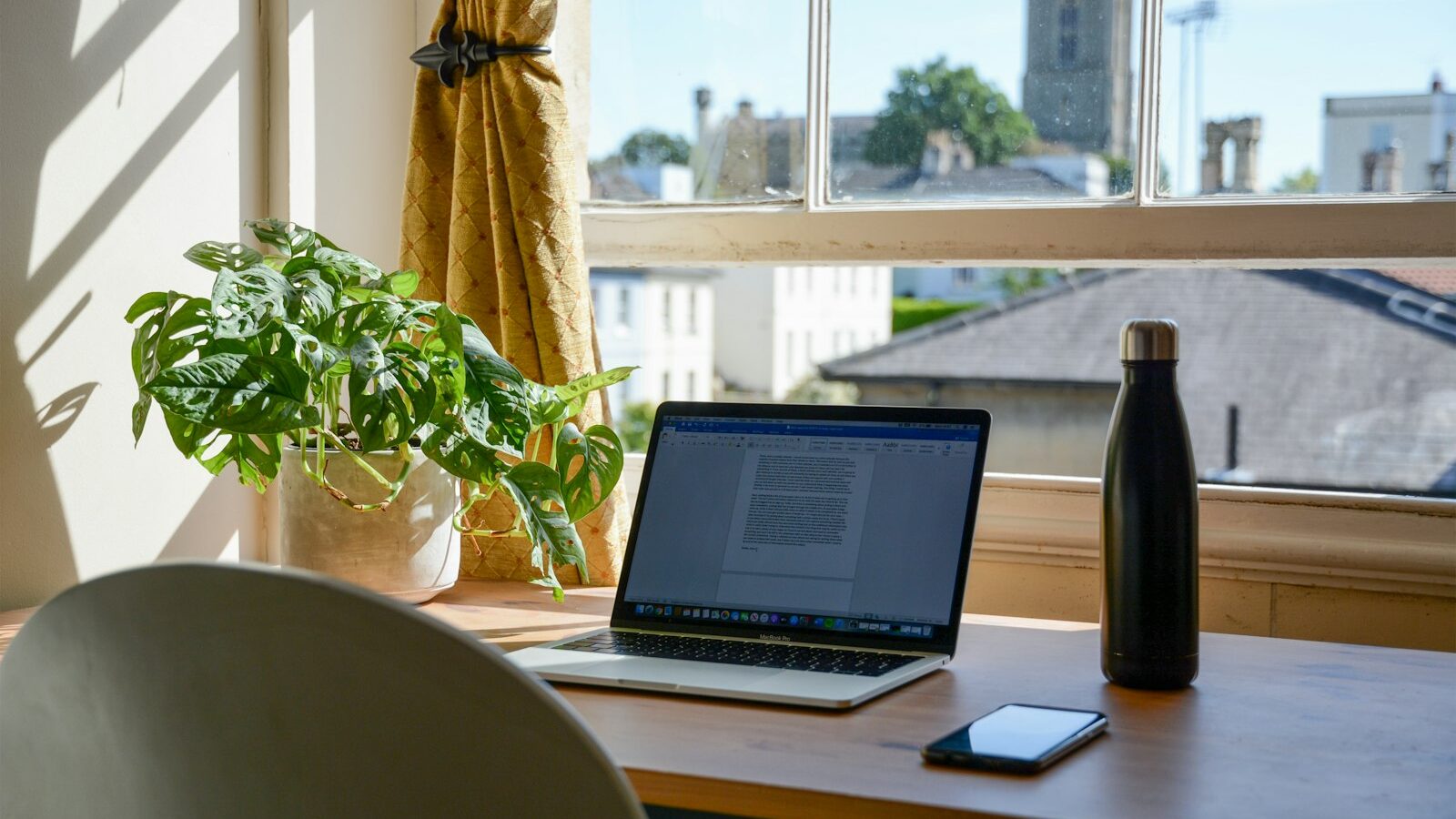
With remote and flexible work now common, a good home office setup makes a real difference. This guide covers the essentials, tips for a productive and comfortable space, and making it work in limited space. This is a general overview.
Why a good setup matters
With remote and flexible working now common, many people spend significant time working from home, making a good home office setup genuinely important for productivity, comfort, focus and wellbeing. A well-thought-out workspace helps you work effectively, stay comfortable and healthy, separate work from personal life, and maintain focus, while a poor setup can hamper productivity, cause discomfort or strain, and blur boundaries. Even in the limited space common in many homes, a thoughtful setup makes a real difference. Investing a little thought and effort into your home office pays off in better work and wellbeing. Understanding why a good home office setup matters, that it supports productivity, comfort, focus and wellbeing when working from home, helps you approach it as worthwhile rather than an afterthought, so you can create a workspace that genuinely helps you work effectively and comfortably, making the most of remote or flexible working while looking after your health and maintaining healthy boundaries.
The essentials
| Essential | Broadly |
|---|---|
| A dedicated space | A defined area for work |
| Comfortable, ergonomic seating | Supporting comfort and health |
| Suitable desk and setup | A functional work surface |
| Reliable tech | Internet, computer and tools |
A functional home office generally involves a few essentials. A dedicated work space, even a defined corner or area, helps create focus and separation between work and home life. Comfortable, ergonomic seating is important, as you may sit for long periods, and good support helps prevent discomfort and strain. A suitable desk or work surface at an appropriate height supports comfortable, effective work. Reliable technology, including a decent internet connection, a suitable computer or device, and the tools you need for your work, is essential for productivity. Good lighting and a tidy, organised space also help. Understanding the essentials of a home office, a dedicated space, ergonomic seating, a suitable desk, and reliable tech, helps you identify what genuinely matters for working well from home, so you can prioritise these foundations, creating a workspace that supports your productivity, comfort and health, rather than making do with an ad hoc setup that hampers your work or wellbeing.
Productivity and comfort
Beyond the basics, several factors enhance productivity and comfort in a home office. Ergonomics matter, positioning your seating, desk, screen and setup to support good posture and comfort, helping prevent strain during long hours. Minimising distractions and creating a focused environment aids concentration. Good lighting, ventilation and a pleasant, organised space support comfort and wellbeing. Taking regular breaks, moving, and maintaining healthy work habits protect your health during extended work. Personalising your space sensibly can make it more pleasant and motivating. Balancing productivity with comfort and health is key. Understanding how to enhance productivity and comfort, through ergonomics, minimising distractions, good lighting and environment, and healthy habits, helps you create a home office that supports both effective work and your wellbeing, so working from home is productive and sustainable rather than uncomfortable or draining, allowing you to do your best work while looking after your health over the long term.
Making it work in limited space
Many homes have limited space, but a functional home office can still be created with a thoughtful approach. Even a small, defined area, such as a corner, nook or multi-use space, can serve as a workspace if set up well. Choose furniture and setups suited to the space, and consider space-saving, flexible or multi-purpose solutions. Keep the space organised and tidy to make the most of limited room. Focus on the essentials, comfortable seating, a suitable surface and reliable tech, even in a compact setup. If the space is shared or multi-use, create separation and routines that help you switch into work mode. Understanding how to make it work in limited space, using a defined area, space-suited furniture, organisation, and focus on essentials, helps you create a functional home office even in a small home, so you can work effectively and comfortably despite space constraints, proving that a thoughtful setup matters more than a large dedicated room for productive and comfortable working from home.
Making it sustainable
A good home office setup should support sustainable, healthy working from home over the long term, not just short-term productivity. This means attending to ergonomics and comfort to protect your health during extended work, maintaining healthy habits like taking breaks and moving, and creating separation between work and personal life to protect your wellbeing and boundaries. It also means keeping your setup functional and organised over time, and adjusting it as your needs change. A sustainable setup helps you work well from home without burnout, strain or the blurring of work and life that can harm wellbeing. Understanding how to make your home office sustainable, through ergonomics, healthy habits, work-life separation, and ongoing functionality, helps you set up not just for immediate productivity but for healthy, sustainable working from home over the long term, so remote or flexible work supports both your effectiveness and your wellbeing, rather than leading to discomfort, strain or burnout.
The takeaway
With remote and flexible work now common, a good home office setup genuinely matters for productivity, comfort, focus and wellbeing. The essentials, a dedicated space, ergonomic seating, a suitable desk, and reliable tech, form the foundation, while ergonomics, minimising distractions, good lighting and healthy habits enhance productivity and comfort. Even in limited space, a functional home office can be created with a thoughtful, essentials-focused approach. Above all, aim for a sustainable setup that supports healthy working over the long term, through ergonomics, healthy habits and work-life separation. A little thought and effort in setting up your home office pays off in better work and wellbeing. This is a general overview to help you create an effective, comfortable workspace.
Explore more: Setting up a smart home · Choosing a laptop: a guide · Freelancing in Singapore: a guide