
There is something about the smell of charcoal on a warm evening that turns an ordinary weekend into an event. A home BBQ singapore families and friends gather around is one of the easiest ways to feed a crowd without booking a restaurant, and it works whether you have a landed garden, a shared condo pit, or just a breezy corner of a balcony. The catch is that grilling at home comes with a few rules and a fair amount of common sense, from where you are allowed to light a fire to keeping the food safe in the heat. Get those sorted early and the rest is pure pleasure. This guide walks through the practical side of hosting, so your gathering is remembered for the food rather than the fuss.

Where You Can Actually Grill
The first question is where the fire goes, and the answer depends on your home. Most HDB flats and their corridors and common areas are not the place for an open barbecue, both for fire safety and out of consideration for neighbours. Many HDB estates and condos instead provide shared BBQ pits in common areas, which usually need to be booked in advance, often through the town council or the condo management, and may carry a small fee and fixed time slots.
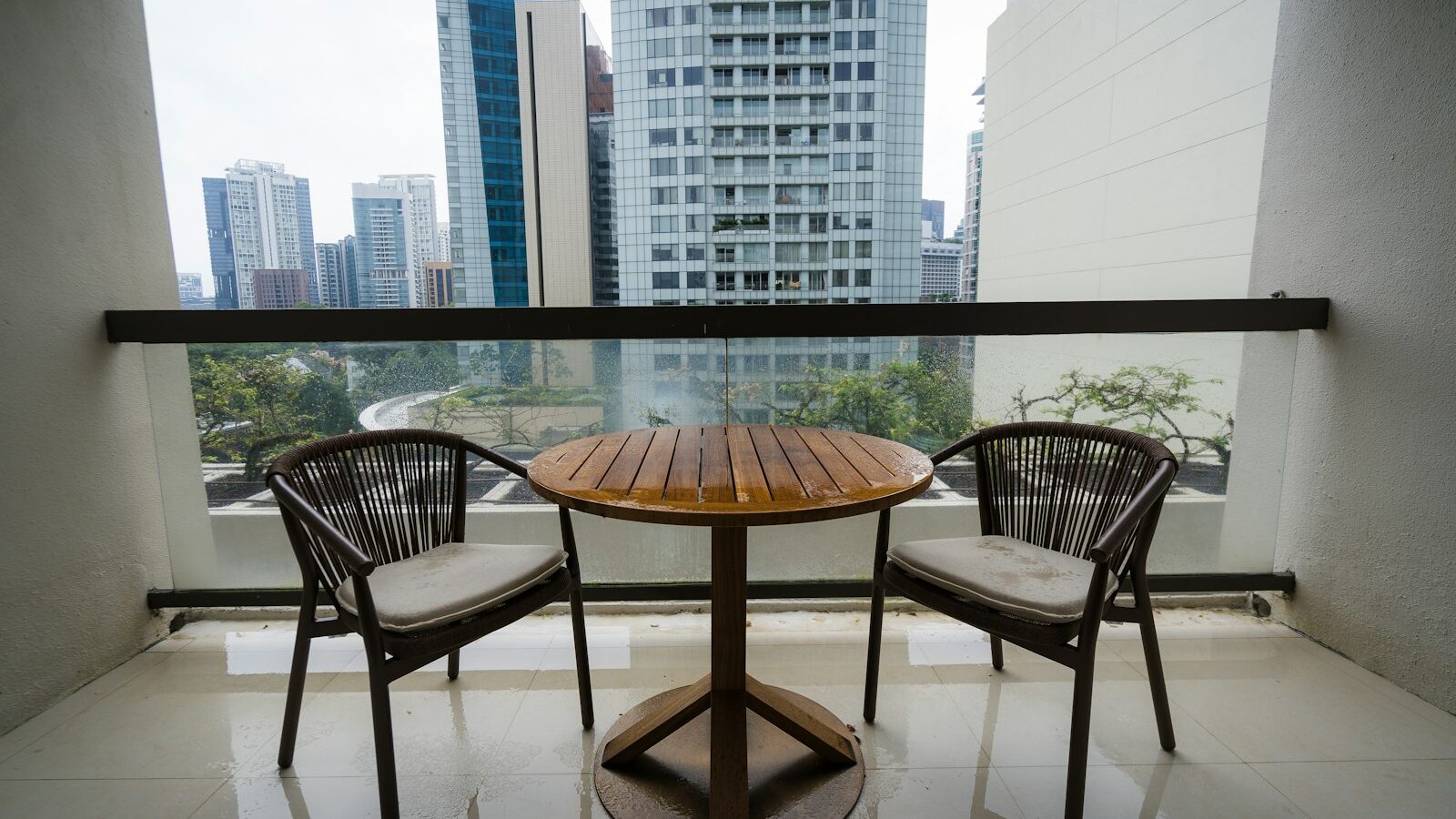
If you are planning a balcony grill, check your rules first. Some condos allow small electric grills on balconies while banning charcoal and gas outright, and rules vary from one development to the next. Landed homes have the most freedom, but even then you are responsible for smoke, sparks and safe distances from the house. A quick summary of the common setups:
- Shared BBQ pits: book ahead through your town council or management, confirm the time slot, and check what is provided versus what you bring.
- Balcony grilling: confirm whether charcoal, gas or only electric is permitted, and never grill in an enclosed or poorly ventilated space.
- Landed gardens: the most flexibility, but keep the grill well clear of the house, fences and anything that can catch.
Because estate and condo rules change and differ, always confirm the current policy with your own management or town council before you plan the menu.
Fire Safety From Light-Up to Clean-Up
A barbecue is an open flame, and a few sensible habits keep the evening safe. Set the grill on a stable, level surface well away from walls, plants, awnings and anything flammable, and never light it indoors or in a sheltered nook where fumes can build up. Charcoal in particular gives off carbon monoxide, so it always belongs in the open air.
Keep these basics in hand throughout:
- Light it safely. Use a chimney starter or proper firelighters rather than sloshing on extra fuel, which can flare dangerously.
- Keep water or a lid nearby. A bucket of water, a fire blanket or a lid to smother flames means a flare up never becomes a scare.
- Watch the fire at all times. Never leave a lit grill unattended, especially with children or pets around, and set a clear zone they stay out of.
- Cool the coals fully. After cooking, let charcoal burn down and douse it completely with water before disposal, since embers stay hot for hours.
- Tie back and cover up. Loose sleeves and long hair near flames are an easy accident, so dress sensibly and use long handled tools.
Keeping the Food Safe in the Heat
The tropics are unforgiving on food left out, so safe handling matters as much as the cooking itself. The core idea is simple: keep cold things cold, cook everything through, and never let raw and cooked food touch.
- Marinate in the fridge, not on the counter. Warm marinating is an invitation for bacteria, so keep meat and seafood chilled right up until they hit the grill.
- Cook meat and seafood thoroughly. Chicken, pork, sausages, burgers and seafood should be cooked all the way through, with no pink in poultry and juices running clear. A meat thermometer takes out the guesswork.
- Avoid cross-contamination. Use separate plates, tongs and chopping boards for raw and cooked food, and never put grilled meat back on the plate that held it raw.
- Mind the two-hour rule. In the heat, do not leave cooked or perishable food sitting out for long. Keep raw items in a cooler with ice until you need them.
- Wash hands often. Especially after handling raw meat, and keep wet wipes or a wash point handy for guests.
If any dish contains common allergens such as shellfish, soy, nuts, dairy or gluten, let guests know, and keep those items separate on the grill where you can.
Charcoal or Gas, and What to Cook
Choosing your fuel shapes the whole evening, and neither option is wrong. This quick comparison helps you match the setup to your space and patience.
| Setup | Best for | Effort | Watch out for |
|---|---|---|---|
| Charcoal grill | Smoky flavour, gardens | Higher, slow start | Smoke, ember disposal |
| Gas grill | Convenience, control | Low, quick start | Cylinder storage rules |
| Electric grill | Balconies, small spaces | Lowest, plug and go | Less smoky flavour |
| Shared pit | Big groups, no gear | Medium, must book | Fixed slots, sharing |
For the menu, lean on things that grill well and can be prepped ahead. Marinated chicken wings, satay, sausages, prawns and squid, corn, and firm vegetables all cook beautifully over coals, and a couple of cold sides and a big salad round out the spread without extra grilling. Prep and portion everything before guests arrive so you spend the evening with them rather than chained to the grill.
Being a Good Neighbour
Smoke drifts, and a home barbecue sits close to other households, so a little courtesy goes a long way. Position the grill so smoke blows away from open windows and neighbouring units where you can, and keep the fire modest rather than billowing. Wind the music and chatter down as the night wears on, especially in dense estates where sound carries, and stick to any time limits on a booked pit. Clean up thoroughly afterwards, bagging rubbish and leaving a shared pit as you found it, since the next family will thank you for it.
If drinks are part of the evening, keep alcohol moderate, serve it only to guests of legal drinking age, and make sure anyone driving home has a safe plan, whether that is a sober driver, a taxi or a ride. A well run home barbecue is one where the food is safe, the fire is respected, and everyone, neighbours included, is glad you hosted.
Explore more
To plan the spread, see our guides to buying-and-preparing-fresh-seafood-singapore and a-guide-to-southeast-asian-spices-singapore. For the marinade base, read a-guide-to-cooking-oils-and-fats-singapore too.
Frequently Asked Questions
Can I barbecue at my HDB flat? HDB flats, corridors and common areas are generally not suitable for open barbecues, for fire safety and neighbour reasons. Many estates provide shared BBQ pits that you book in advance. Check current rules with your town council.
How do I keep a BBQ going if it rains? Check the forecast and have a backup plan, such as moving the cooking under proper cover or switching to the oven. Never grill in an enclosed or poorly ventilated space, since charcoal gives off carbon monoxide. Shared pits may have their own wet-weather rules.
What are the easiest foods to grill for beginners? Marinated chicken wings, sausages, satay, prawns, corn and firm vegetables are forgiving and cook well over coals. Prep and portion everything beforehand. Cook meat and seafood right through, and use a meat thermometer if unsure.
How do I stop food poisoning at a BBQ in the heat? Keep raw food in a cooler with ice until it goes on the grill, marinate in the fridge and cook meat thoroughly. Use separate tongs and plates for raw and cooked food, and do not leave cooked food out for long. Wash hands often.
Is an electric grill a good option for a balcony? It is often the easiest choice for small spaces, since it is plug and go with less smoke, though flavour is less smoky. Some condos allow electric grills but ban charcoal and gas. Confirm your management’s current policy first.
Further reading: How to Host a BBQ at a Pavilion or Chalet in Singapore