
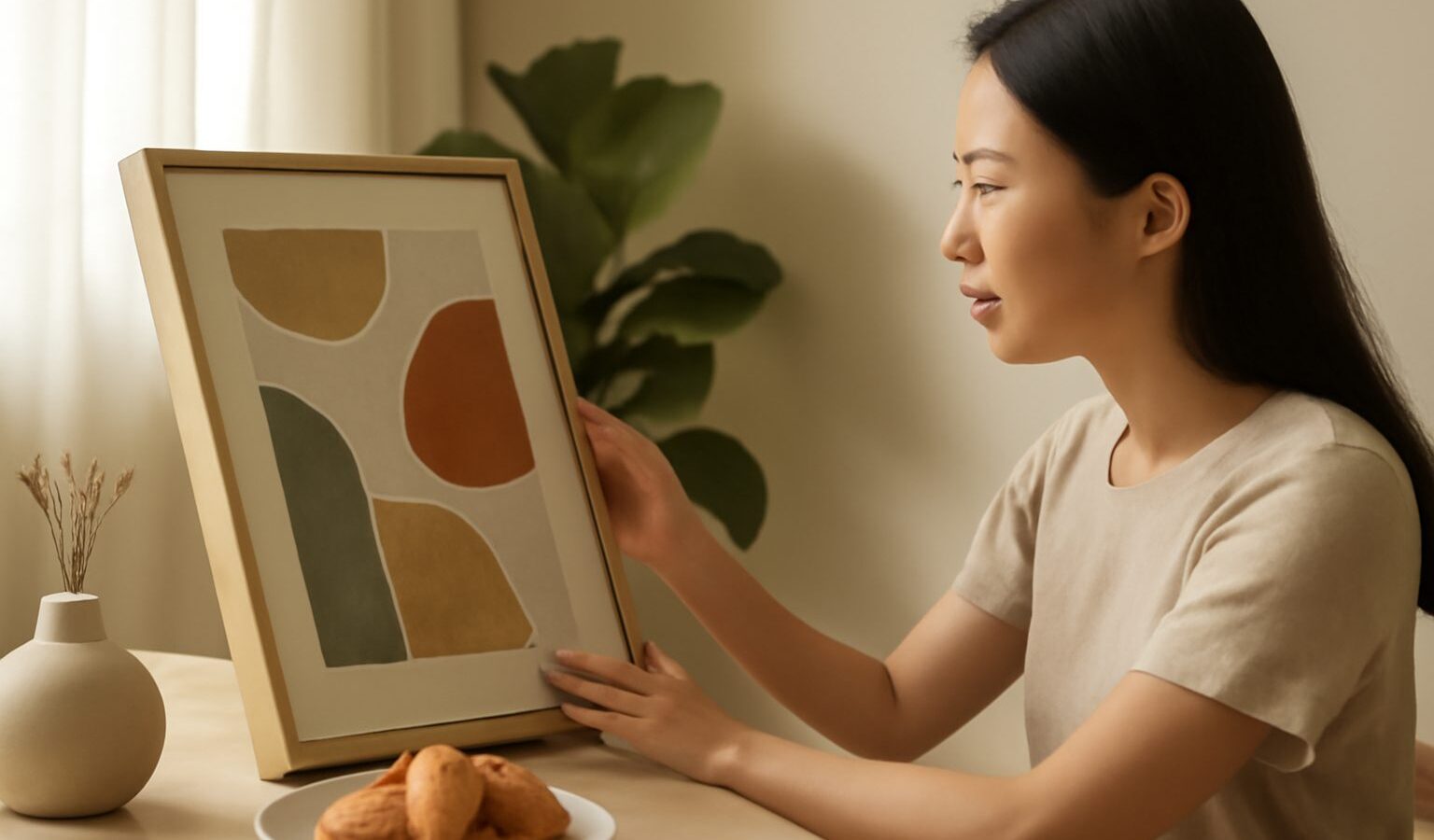
Many people walk into a gallery, glance at a painting for a few seconds, read the label, and move on, quietly convinced that everyone around them understands something they do not. It is one of the most common feelings in any art space, and it is completely unnecessary. To appreciate visual art, you need no degree, no special vocabulary, and no correct answer waiting to be guessed. You need curiosity and a little time. Singapore is a wonderful place to practise, with free entry to many public collections, a lively contemporary scene, and grand institutions such as the National Gallery within easy reach. This guide will help you look with more confidence and get far more out of every visit.
You Already Know How to Look
Start by letting go of the idea that art must be decoded. A work is not a puzzle with a single solution the artist hid for experts to find. It is something made to be experienced, and your honest response is a valid starting point. When you stand in front of a piece, the first question is not “what does this mean?” but “what do I notice?”
Give yourself permission to have plain reactions. A painting might feel calm, tense, joyful, cold, or unsettling. You might be drawn to a colour, a face, a patch of light, or repelled by something you cannot name. None of these responses is wrong. Appreciation begins the moment you take your own reaction seriously instead of dismissing it. The label and the history can come later; the looking comes first.
A Simple Way to Look More Closely
Slowing down is the single most useful habit in art appreciation. Most people spend seconds with a work; try spending two or three unhurried minutes with one piece that catches your eye, and you will be surprised how much surfaces. A gentle sequence helps:
- Look before you read. Spend a minute with the work itself before you glance at the wall label, so your first impression is your own.
- Notice the subject. What is actually shown? A person, a place, an object, or nothing recognisable at all?
- Follow your eye. Where does your gaze land first, and where does it travel next? Artists arrange things to lead you.
- Read the surface. Are the brushstrokes smooth or rough, the colours loud or muted, the shapes sharp or soft?
- Name the mood. What feeling does the piece give you, and which of those choices might be creating it?
- Then read the label. Now let the title, date and description add context to what you have already seen.
This takes only a few minutes and works for any style, from a centuries old portrait to a video installation. The point is not to reach a verdict but to give the work a fair chance to speak.
Making Sense of Different Styles
One reason art can feel intimidating is the sheer variety of it, but broad categories become far friendlier once you know roughly what each is trying to do. You do not need to memorise movements. It helps only to understand that different kinds of art ask for different kinds of attention.
| Style | What it tends to do | How to approach it |
|---|---|---|
| Representational | Depicts recognisable people, places or objects | Notice the story, the detail, and the mood |
| Abstract | Uses colour, shape and line rather than a scene | Feel the composition; let go of naming things |
| Contemporary and conceptual | Explores ideas, often with unusual materials | Ask what question the artist is raising |
| Traditional and cultural | Carries craft, heritage and symbolism | Look for meaning in materials and technique |
Representational art rewards attention to detail and narrative. Abstract art asks you to respond to balance, colour and rhythm without searching for a picture. Contemporary and conceptual work often values the idea as much as the object, so the interesting question is what it is asking rather than what it depicts. Traditional and cultural pieces reward knowing a little about their context and craft. When a work leaves you cold, it may simply be speaking a language you have not learned yet, and that is fine.
Getting the Most from a Gallery Visit
A good visit is a comfortable one. Galleries can feel formal, but they are meant to be enjoyed, and a few practical habits make a real difference.
- Go with less, not more. Seeing five works properly beats rushing past fifty, so let yourself skip whole rooms.
- Visit at quieter times, such as a weekday morning, when you can stand and think without a crowd behind you.
- Take breaks. Museum fatigue is real, so pause, sit, and let your eyes rest before carrying on.
- Use free resources. Many public institutions in Singapore offer free entry to permanent collections, along with free tours, talks and family activities.
- Bring a friend or go alone. A companion sparks conversation; solitude lets you linger. Both are good ways to see.
- Keep a small note or photo, where allowed, of works you loved, and slowly you will discover the threads of your own taste.
There is no need to see everything, and there is certainly no prize for finishing a museum. A single work that stays with you on the way home is a successful visit.
Building the Habit Over Time
Appreciation grows the way any pleasure does, through gentle repetition. The more you look, the more you notice, and the more the whole field opens up. You might follow the artists whose work you enjoy, join a free gallery talk, or simply make a habit of dropping into a show whenever you pass one. Reading a little about a piece after you have formed your own impression deepens the experience without replacing it.
Try, too, to resist comparing your response to anyone else’s. Two thoughtful people can stand before the same painting and feel entirely different things, and both are appreciating it fully. Your taste is allowed to be personal, to shift over the years, and to include work that experts overlook. To appreciate visual art, in the end, is not to arrive at the right opinion but to keep looking with an open, curious mind. Do that, and Singapore’s galleries will reward you for a lifetime.
Explore more
If looking closely has left you wanting to make something yourself, our guides to learning to draw as an adult and watercolour painting for beginners are friendly places to start. To understand the works you meet in local galleries, read an introduction to Singapore art history.