
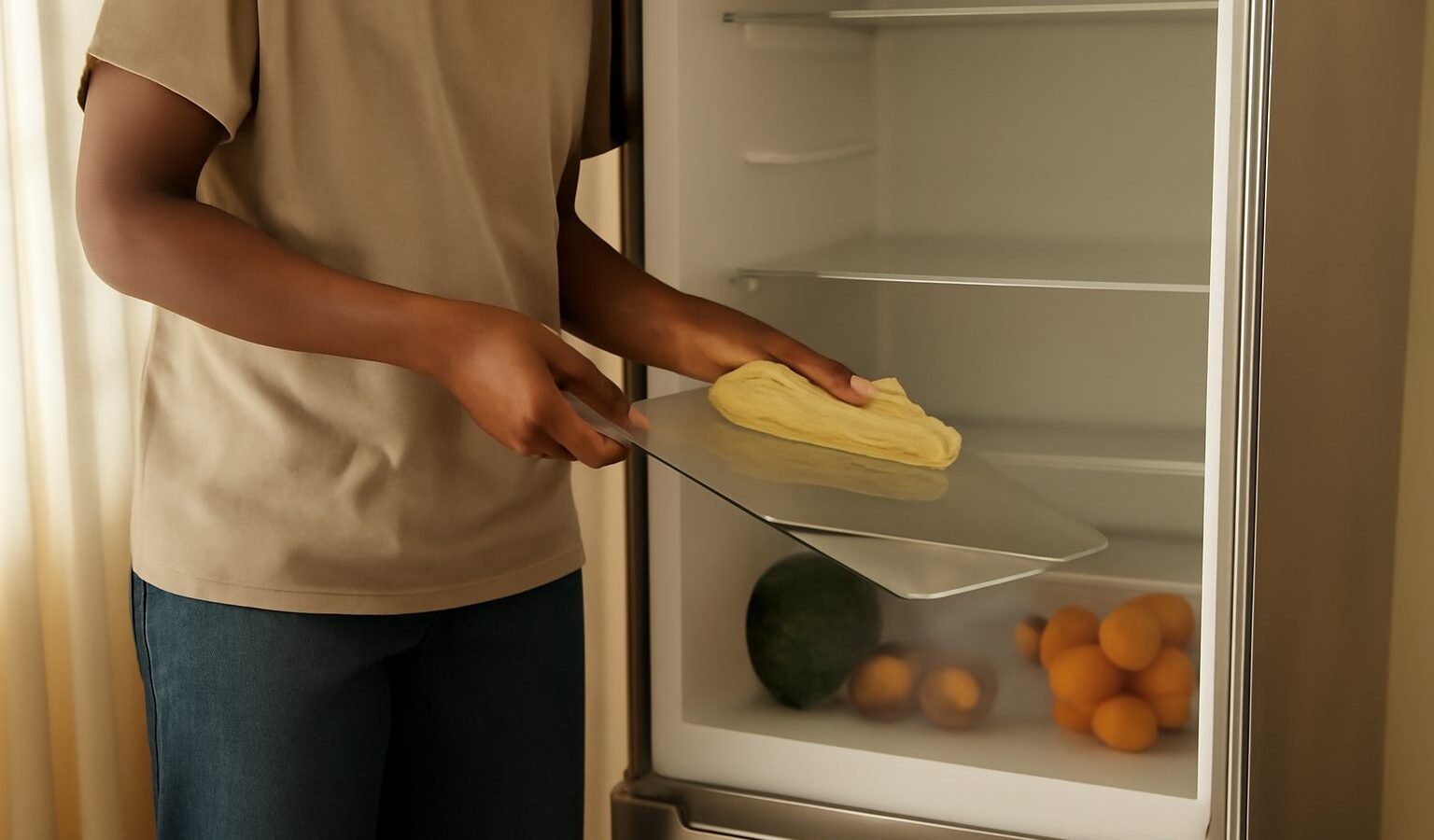
The fridge works harder than almost anything else in a Singapore kitchen. It runs day and night against our heat and humidity, storing food that spoils quickly if the temperature or hygiene slips. Yet it is easy to forget, until a sticky spill, a lingering smell or a patch of mould reminds us. Cleaning your fridge Singapore-style is really about food safety as much as tidiness, and the good news is that a proper clean is straightforward once you have a method.
This guide takes you through a calm, thorough refresh, plus the small habits that keep it fresh in between. No harsh chemicals, no special gear, just a sensible routine you can repeat.
Why a Clean Fridge Matters More Here
In our climate, food spoils fast and bacteria multiply quickly whenever the cold chain is broken, even for a short while. A fridge that is grimy, overpacked or running warm gives spills and stray juices a chance to breed germs that then touch other food. Humid air also sneaks in every time the door opens, and that moisture, combined with forgotten leftovers, is exactly what mould and sour smells feed on.
A clean, well-organised fridge is not just nicer to open. It keeps your food genuinely safer, helps the appliance run efficiently against the heat, and cuts waste because you can actually see what you have. Treat the clean as part of looking after your family’s health, and it becomes easy to prioritise.
What to Use, and What to Avoid
Fridges hold food, so keep your cleaning gentle and food-safe. You almost certainly have everything already.
- Warm water with a little mild dishwashing liquid
- Baking soda, both as a mild scrub and a deodoriser
- White vinegar diluted in water for smells and light mould
- Two clean cloths and a soft brush or old toothbrush for seals and corners
- A cooler bag or box to hold cold food while you work
Keep it food-safe and simple. Avoid harsh bleach-based cleaners on surfaces that touch food, and never mix cleaning products, as combining bleach with vinegar or other acids releases toxic fumes. Ventilate the kitchen, wear gloves if your skin is sensitive, and rinse well so no cleaning residue is left behind. If you patch-test a solution first on a hidden corner, you avoid any surprises on plastic parts.
Step by Step: A Proper Fridge Clean
Pick a day when the fridge is fairly empty, such as just before your grocery run, so there is less food to move.
- Switch it off or set it to a standby setting if your model has one. This saves energy and lets you work without cold air pouring out.
- Empty everything. Move perishables into a cooler bag. As you go, check dates and bin anything spoiled, sticky or long forgotten.
- Remove the shelves and drawers. Take out the glass shelves and plastic bins so you can reach every surface.
- Wash the removable parts in warm soapy water. Let glass shelves come to room temperature first, because pouring warm water on cold glass can crack it. Dry them fully.
- Wipe the interior from top to bottom with warm water and a little baking soda or mild soap. Pay attention to the corners and the underside of shelves where drips collect.
- Clean the door seals. The rubber gasket traps crumbs, moisture and sometimes mould. Wipe along every fold with diluted vinegar and a soft brush, then dry it, because a clean seal closes properly and keeps the cold in.
- Deodorise. Wipe a little diluted vinegar around to neutralise smells, then dry everything.
- Reassemble, restock and switch the fridge back on. Let it return to temperature before packing it fully.
Tackling Smells, Spills and Mould
Most fridge problems fall into a few familiar types, and each has a simple fix. Match the problem to the method rather than blitzing everything the same way.
| Problem | What to do | Avoid |
|---|---|---|
| Lingering bad smell | Remove the source, wipe with diluted vinegar, leave an open box of baking soda inside | Masking it with air freshener |
| Sticky spills | Soften with a warm damp cloth, then wipe clean | Scraping cold, hardened spills |
| Mould on seals | Brush the gasket with diluted vinegar, dry fully | Ignoring it, it spreads fast |
| Icy freezer build-up | Defrost fully, wipe dry, close the door properly | Chipping ice with sharp tools |
| Warm or noisy running | Check the seal and airflow, avoid overpacking | Assuming it is fine and packing more |
If your freezer has thick ice, defrost it properly by switching off and letting it melt with towels underneath to catch the water. Never chip at ice with a knife, which can pierce the lining. If the fridge still runs warm, struggles to stay cold, or is noisy after a clean, that points to a mechanical issue, and it is worth calling a qualified appliance technician rather than forcing it.
Habits That Keep It Fresh
Deep cleans are easier when everyday habits keep grime from building up.
- Wipe spills as soon as they happen, before they harden or spread.
- Keep an open box or tub of baking soda inside as a gentle deodoriser and replace it every couple of months.
- Store raw meat on the lowest shelf so any drips cannot fall onto other food.
- Cover leftovers and label them, and clear them out weekly so nothing lurks.
- Do not overpack, because air needs to circulate for even cooling in our heat.
- Give the interior a quick wipe weekly and a full deep clean every month or two, and fold a bigger session into your pre-Chinese New Year spring clean.
A clean fridge quietly protects your family every day. Start with a quick declutter and a wipe of the seals this week, then build the fuller routine from there.
Explore more
The fridge is one piece of a well-run kitchen, so it helps to clean it alongside the rest. Pair this with our guide to cleaning your oven and stovetop, work through the whole space with deep-cleaning your kitchen, and slot both into a wider plan by building a home cleaning routine that keeps every appliance in good shape.