
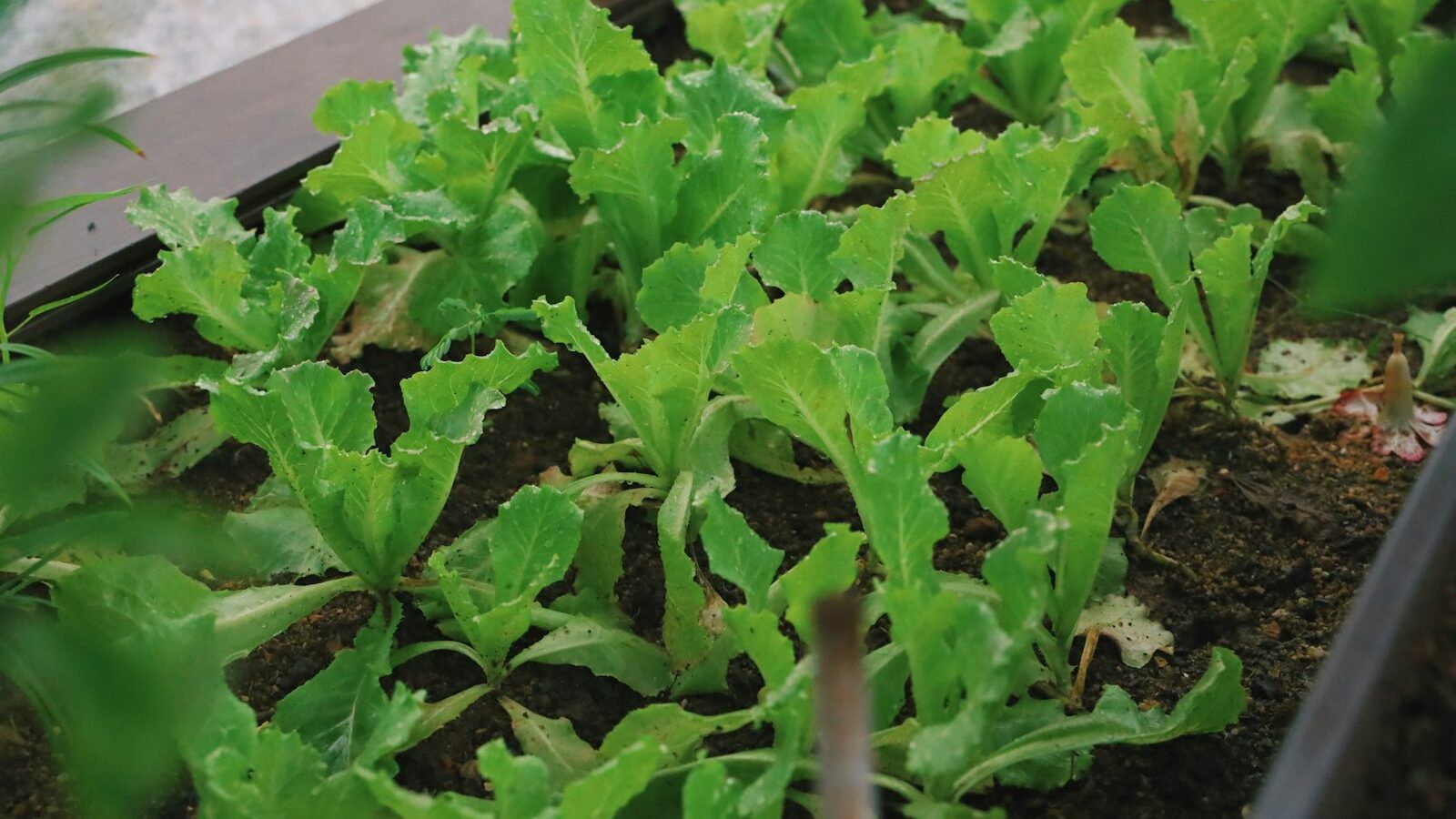
There is a special satisfaction in eating something you grew yourself, and it is far more achievable than most people think. Growing vegetables in Singapore does not require a big garden or a farming background. Plenty of leafy greens, herbs and quick crops flourish in pots on an HDB balcony, along a bright corridor, or on a sunny windowsill. Even a handful of kangkong or a bowl of homegrown chilli padi feels like a real reward for very little effort.
Our tropical climate has real advantages for the home vegetable grower. Constant warmth means no waiting for spring, and fast-growing greens can be sown almost any time of year. The challenges are our intense midday sun, heavy monsoon downpours and high humidity, which favour certain crops and certain habits. This guide covers the vegetables best suited to Singapore, what you need to begin, and how to garden safely in our climate, mosquitoes included.
Vegetables Suited to Singapore’s Heat
The secret to early success is choosing crops that love tropical conditions rather than fighting our climate. Leafy Asian greens are the champions here: they grow quickly, tolerate heat, and forgive beginner mistakes.
Great starter vegetables include:
- Kangkong (water spinach): fast, hardy and almost impossible to kill.
- Chye sim and bayam (local spinach): quick leafy greens ready to harvest in weeks.
- Nai bai and xiao bai cai: compact greens that suit small pots.
- Chilli padi and larger chillies: heat-loving and productive over many months.
- Lady’s finger (okra) and long beans: sturdy climbers that thrive in full sun.
- Sweet potato leaves: grown for the tender shoots, and very forgiving.
- Cherry tomatoes: possible on a bright balcony, though they need more attention.
Temperate favourites like broccoli, lettuce and cauliflower are harder here, as they prefer cooler weather and often bolt or struggle. If you want to try them, pick heat-tolerant lettuce varieties and grow them in your coolest, brightest spot. For your first season, stick with the tropical greens above and build confidence.
What You Need to Get Started
You can begin a vegetable garden with very little. The essentials are containers, good soil, light and water.
A simple starter kit:
- Containers with drainage holes. Deeper pots, troughs or grow bags suit vegetables better than shallow ones. Recycled buckets or foam boxes with holes punched in the base work well on a budget.
- A quality potting mix enriched with compost. Skip heavy garden soil, which drains poorly in pots. Mixing in compost feeds the plants and improves structure.
- Sunlight. Most fruiting vegetables want at least six hours of direct sun; leafy greens manage with four to five, and appreciate some shade from the fiercest afternoon glare.
- Seeds or seedlings, a watering can, and a saucer or tray to catch runoff.
- Optional extras like a trellis for climbers and an organic fertiliser.
On cost, prices for pots, soil, seeds and seedlings vary widely between nurseries and shops, so think in rough bands. A budget garden uses recycled containers and a bag of mix; a mid-range setup adds proper grow bags, compost and named seedlings; a premium setup might include raised planters and a drip system. Check the nursery or shop for current prices, and start smaller than you think you need.
Comparing Beginner Vegetables
Different crops have different needs and timelines. This comparison helps you pick vegetables that match your space, light and patience.
| Vegetable | Light needed | Time to harvest | Care level | Best for |
|---|---|---|---|---|
| Kangkong | Full sun to part shade | 3 to 4 weeks | Very easy | First-time growers |
| Bayam (spinach) | Part sun, some shade fine | 4 to 6 weeks | Easy | Quick leafy harvests |
| Chilli padi | Full sun, 6 hours | 2 to 3 months | Moderate | Sunny balconies |
| Long beans | Full sun | 2 months | Moderate | Vertical growers with a trellis |
| Cherry tomatoes | Full sun, 6 hours plus | 2 to 3 months | Trickier | Patient growers with bright light |
Watering, Rain and Mosquito Safety
Vegetables in our heat are thirsty, and pots dry out fast on a sunny balcony. Water deeply in the early morning or evening so the roots drink before the sun evaporates the moisture. Check the soil with your finger: if the top layer is dry, it is time to water. During dry spells, leafy greens may need watering twice a day.
Monsoon season brings the opposite problem. Heavy rain can waterlog pots and batter tender seedlings, so make sure every container drains freely and move delicate plants under shelter when a storm hits. Waterlogged, compacted soil not only rots roots but also traps standing water.
That standing water is a genuine dengue risk, and it deserves real attention. Aedes mosquitoes breed in still water, and pot saucers, trays and the rims of containers are common breeding spots. So never let water collect and stagnate under your vegetables. Tip out any water pooling in saucers within a day, break up hardened soil that traps water on the surface, and inspect your pots after every heavy downpour. Follow NEA’s anti-mosquito advice and make these checks a routine. A little vigilance keeps your crops healthy and your block safe.
Where to Buy and Harvesting Safely
Seeds, seedlings and supplies are easy to find. Far East Flora and the nurseries clustered around Thomson and Sungei Tengah stock vegetable seeds, grow bags and compost. Supermarkets and IKEA carry pots and basic tools, community nurseries sometimes share seedlings, and online sellers deliver seed packets to your door. If you would like guidance and company, NParks and its Community in Bloom programme connect home growers across the island.
When it comes to harvesting, a few habits pay off:
- Pick greens young and often. Cutting leafy vegetables regularly encourages fresh growth and tender leaves.
- Feed lightly. A diluted organic or eco-friendly fertiliser supports steady growth. Always follow the product label and keep fertilisers away from children and pets.
- Watch for pests. Caterpillars and aphids love leafy greens; hand-picking or a mild organic spray usually keeps them in check.
- Always wash your produce before eating, and only eat what you can confidently identify as the vegetable you planted.
Start with one easy crop like kangkong or bayam, celebrate that first harvest, and let your confidence and your garden grow together. A single productive pot is a genuine win worth being proud of.
Explore more
Keep going with our guide to growing herbs at home and the easiest edibles to grow in Singapore. For specific crops, try growing leafy greens, growing chilli plants, or starting a small edible garden.