
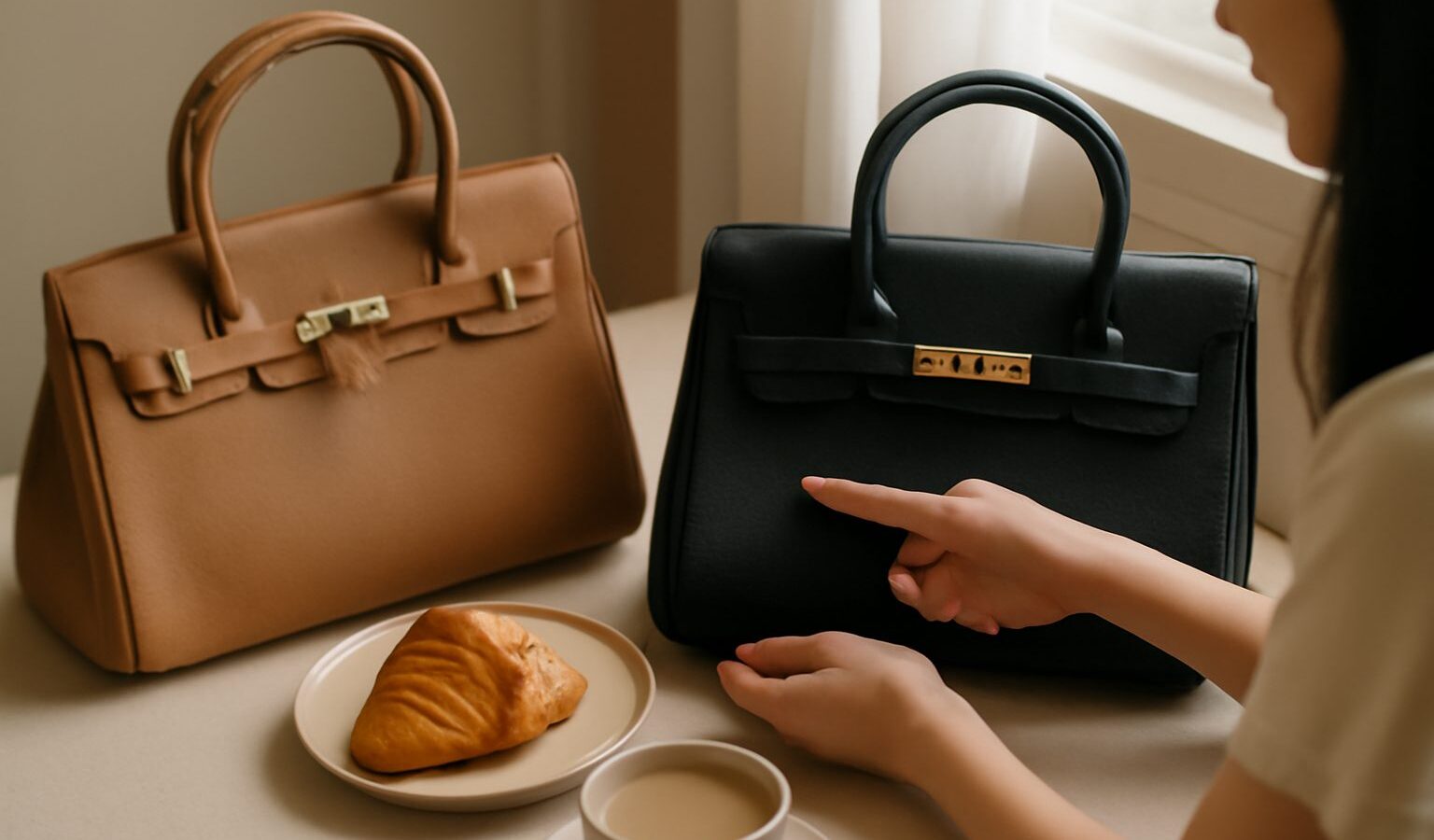
Knowing how to spot fake designer goods protects your money, your reputation and your peace of mind. The best counterfeits have improved, but genuine luxury items still reveal themselves through construction, materials and paperwork that fakes struggle to match. This guide teaches you what to examine so you can shop preloved and resale markets with more confidence.
Before anything else, a plain fact for Singapore shoppers: buying or selling counterfeit goods is illegal here, and knowingly dealing in fakes can bring penalties under trademark and consumer protection law. This article is about protecting yourself as a buyer, never about passing anything off. When a purchase matters, defer to the brand or a professional authentication service.
Start With The Seller, Not The Product
Most bad purchases are avoidable long before you inspect a single stitch. A trustworthy seller answers questions patiently, provides clear original photos rather than stock images, and can explain where the item came from. Be cautious when a “brand new” luxury piece is priced far below its usual band, when the seller rushes you, or when they resist meeting in a safe, public place.
Ask for proof of purchase, the original dust bag, box, care cards and any repair records. None of these alone proves authenticity, and genuine items are sometimes sold without them, but a complete provenance trail is much harder to fake than a single logo.
The Physical Checks That Matter Most
Counterfeiters cut corners where it is cheapest to do so. These are the areas where the difference tends to show.
- Stitching: Genuine luxury goods use even, straight, tightly spaced stitches with consistent thread tension. Look for crooked lines, loose threads, uneven spacing or stitches that miss the edge.
- Hardware: Zips, clasps, buckles and feet on authentic pieces feel weighty and operate smoothly. Cheap hardware feels light, rattles, tarnishes quickly or has rough edges. Engraving should be crisp and correctly spelled.
- Materials: Real leather has a natural grain, a subtle smell and a supple hand. Plasticky uniformity, a chemical odour or stiff, cardboard-like structure are warning signs.
- Logos and fonts: Compare letter spacing, proportions and alignment against official reference images. Fakes often get the typeface subtly wrong or place the logo slightly off centre.
- Lining and interior: Interiors are frequently neglected on counterfeits. Check the lining fabric, interior stamps and the way the lining is attached.
- Symmetry and alignment: On patterned canvas or leather, genuine makers align motifs across seams and pockets. Mismatched patterns suggest cost cutting.
Codes, Stamps And Serial Numbers
Many brands use date codes, serial numbers, microchips or embossed heat stamps. In principle these help confirm production origin, but they are not a magic test. Counterfeiters copy numbers too, and a valid-looking code on a fake proves nothing on its own. Treat codes as one signal among many, not the deciding factor. Never rely on a random online “code checker” of unknown origin.
A Quick Comparison Of Signals
| Signal | Usually genuine | Common with fakes | How much to trust it |
|---|---|---|---|
| Stitching | Even, tight, consistent | Crooked, loose, uneven | High |
| Hardware | Heavy, smooth, crisp engraving | Light, rough, misspelled | High |
| Leather feel and smell | Supple, natural grain and scent | Stiff, plasticky, chemical | High |
| Serial or date code | Present and correctly formatted | Sometimes copied | Medium |
| Price | Within a sensible resale band | Suspiciously cheap | Medium |
| Dust bag and box | Correct finish and logo | Slightly wrong colour or font | Medium |
| Paperwork and provenance | Traceable history | Missing or vague | High when complete |
Put The Signals Together
No single clue is conclusive. A genuine bag can have a worn dust bag; a good fake can have neat stitching in one spot. What gives an authentic item away is consistency across every dimension at once. When you find several weak signals together, treat that as a red flag rather than trying to explain each one away. Trust the overall pattern.
Photograph the details you are unsure about in good, even light. Comparing your photos against official brand imagery, side by side, often reveals differences your eye missed in the moment.
Why The Best Fakes Still Slip Up
Counterfeiters have become skilled at copying a logo and a silhouette, because those are the parts buyers glance at first. What they struggle to reproduce is the accumulated discipline of a real production line: consistent thread tension across hundreds of stitches, hardware milled to a precise weight, leather sourced and treated to a fixed standard, and interiors finished as carefully as exteriors. Reproducing all of that at once would cost nearly as much as making the genuine article, which defeats the point of a fake. That economic reality is your friend, because it means fakes almost always compromise somewhere. Your job is simply to look in enough places to find where.
When To Bring In A Professional
For anything above a modest sum, use a reputable third-party authentication service. These specialists examine construction, materials and known brand-specific markers, and many issue a written opinion you can keep. Some resale platforms include authentication as part of the transaction, which shifts risk away from you. The brand’s own boutique is the ultimate authority, though staff will not always authenticate items bought elsewhere.
A small authentication fee is cheap insurance against a costly mistake. If a seller refuses to let you authenticate before or immediately after purchase, walk away.
Buying Safely In Singapore
- Prefer platforms or shops with a clear returns and authenticity policy.
- Pay through channels that offer some buyer protection rather than untraceable transfers.
- Meet in a safe, public location and inspect the item unhurried.
- Keep every receipt, chat log and photo in case you need to dispute the sale.
- If you suspect you were sold a fake, stop reselling it immediately, as passing it on could make you liable.
The Reassuring Bottom Line
You do not need to be an expert to shop preloved luxury wisely. Slow down, vet the seller, examine construction and materials, treat codes as supporting evidence only, and lean on professional authentication when the stakes are high. Do that consistently and you tilt the odds firmly in your favour, buying pieces you can wear and resell with confidence.
Explore more: How to spot quality clothing · Buying secondhand clothes on Carousell · Understanding cost per wear