
Many people love looking at art but freeze the moment someone asks what they think. Learning how to talk about art is not about memorising jargon or sounding clever. It is about having a few simple tools that turn a vague feeling into words you can share. This guide gives you the vocabulary and the confidence to join any conversation about a painting or sculpture.
Why It Feels Hard
The fear of talking about art usually comes from a belief that there is a correct answer only experts know. There is not. Art appreciation is a conversation, not an exam. Curators and critics have more vocabulary, but they do not have secret access to the one true meaning of a work.
Once you accept that your honest response is valid, the pressure lifts. You are not trying to pass a test. You are trying to describe what you see and feel, and to be curious about what others see. That shift, from performing knowledge to sharing observation, is the real beginning of learning how to talk about art.
Start With Simple Description
The safest and most useful place to begin is plain description. Before any judgement or interpretation, just say what is actually there. This grounds the conversation in something everyone can see, and it buys your thinking mind time to catch up.
Describe the basics out loud or in your head:
- Subject: what, if anything, does the work depict.
- Colour: is the palette warm, cool, bright, muted, or nearly monochrome.
- Composition: what is placed where, and where does your eye go first.
- Scale and medium: is it large or intimate, paint, photograph, sculpture or something else.
Notice that none of this requires expertise. Saying that a painting is large, dark and dominated by a single figure in the corner is a completely legitimate contribution. Description is where every good art conversation starts.
A Simple Framework
When you want to go beyond description, a light structure helps. A well loved approach moves through four gentle stages, and you can lean on it whenever you feel stuck.
| Stage | Question to ask | Purpose |
|---|---|---|
| Describe | What do I actually see | Ground the talk in shared observation |
| Analyse | How is it put together | Notice colour, line, balance and contrast |
| Interpret | What might it mean or express | Offer ideas while staying open |
| Respond | How does it make me feel | Share your honest, personal reaction |
You do not have to march through all four every time. Even moving from describe to respond, skipping the middle, makes for a thoughtful and complete comment.
Building Your Vocabulary Gently
A handful of words makes discussion easier, and none of them are difficult. Think of them as tools, not showing off.
Words for how a work feels
Serene, tense, playful, melancholy, energetic, unsettling. These name the mood a piece gives off.
Words for how it looks
Composition means the arrangement of elements. Palette means the range of colours. Contrast is the difference between light and dark or between competing elements. Texture is the surface quality, whether smooth or rough. Form is the three dimensional shape, while shape is flat.
Words for how it was made
Brushwork or mark making describes how paint was applied. Medium is the material used. Figurative means it depicts recognisable things, while abstract means it does not.
Sprinkle these in naturally as they become comfortable. There is no need to force them. One well placed word like tense or muted often says more than a long clever sentence.
Phrases That Keep You Safe and Curious
You do not need to sound certain. In fact, tentative language often makes for warmer, more honest conversation. Keep a few gentle openers ready.
- I notice that, which begins with pure observation and cannot be wrong.
- It reminds me of, which invites personal association.
- I wonder if, which offers an interpretation without claiming to be right.
- What draws my eye is, which shares your experience of looking.
- I am not sure why, but this makes me feel, which is always valid.
These phrases do something clever. They let you contribute genuinely while leaving room for others to disagree, which is exactly how the best art conversations flow.
Talking With Others
Discussing art with friends is one of the fastest ways to grow. Ask open questions rather than yes or no ones. What do you make of this works far better than do you like this. When someone offers a view different from yours, treat it as a gift. Seeing through another person’s eyes doubles what any single work can teach you.
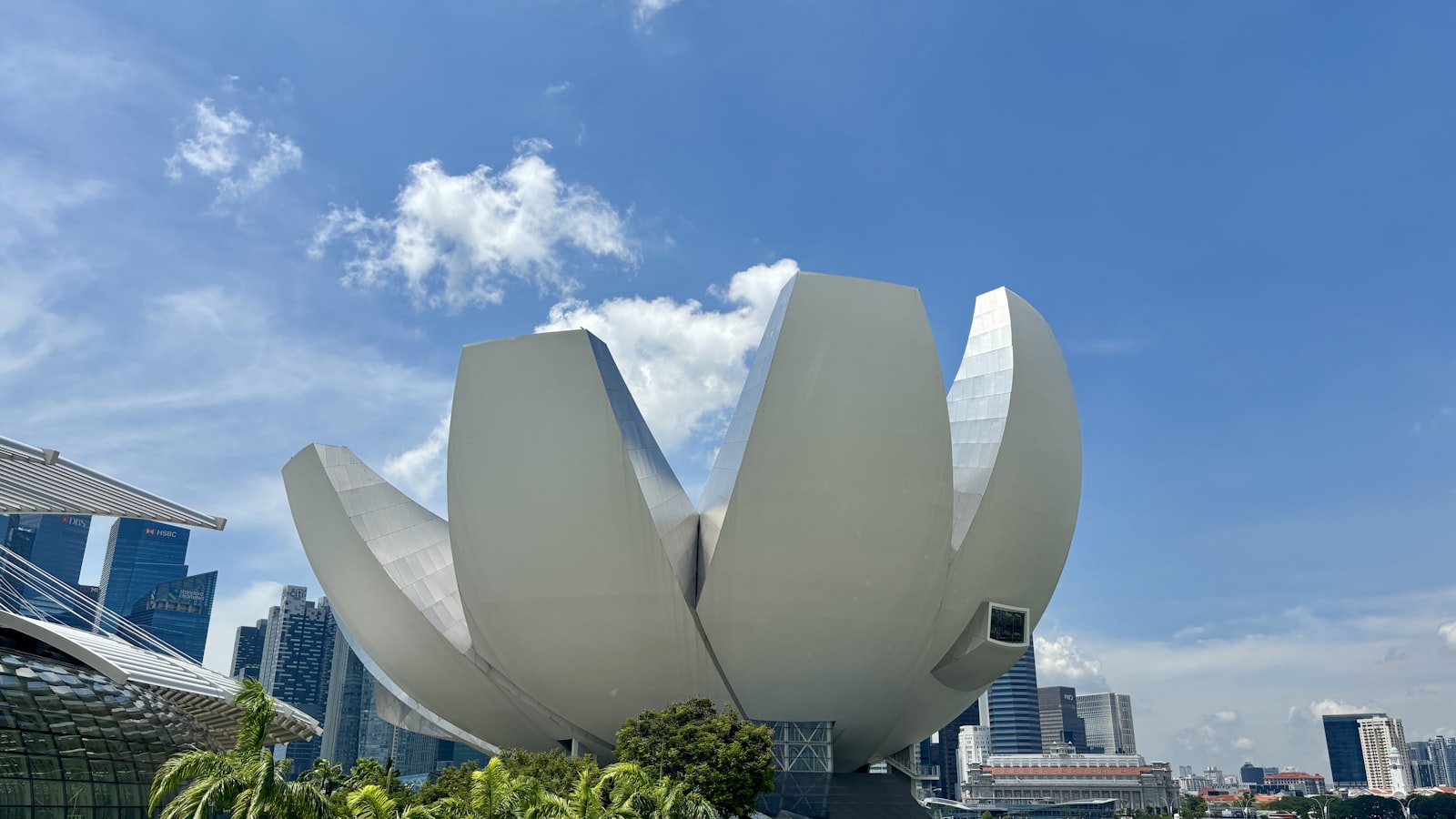
In Singapore, guided tours at museums and galleries are a low pressure way to practise. A good docent models exactly this kind of talk, describing before judging and wondering aloud rather than lecturing. Listen to how they build a reading from simple observations, then try it yourself on the next work. Many galleries also host relaxed talks and walkthroughs where questions from beginners are genuinely welcome.
There Are No Wrong Answers
The final and most freeing point is that interpretation is not a competition with a scoreboard. Two people can look at the same painting, feel opposite things, and both be right. What matters is that your response is honest and rooted in what you actually see. A reading you can support by pointing at the canvas is always a good reading.
Let go of the need to be correct and you will find that talking about art becomes a pleasure rather than a threat.
Speak Up
Knowing how to talk about art comes down to a simple habit. Describe what you see, notice how it is made, offer an idea gently, and share how it makes you feel. Do that with a few friends in front of a few paintings, and your confidence will grow faster than you expect. The next time someone turns to you in a gallery and asks what you think, you will have plenty to say.
Explore more: How to Appreciate Visual Art · Understanding Abstract Art · Art Galleries in Singapore