
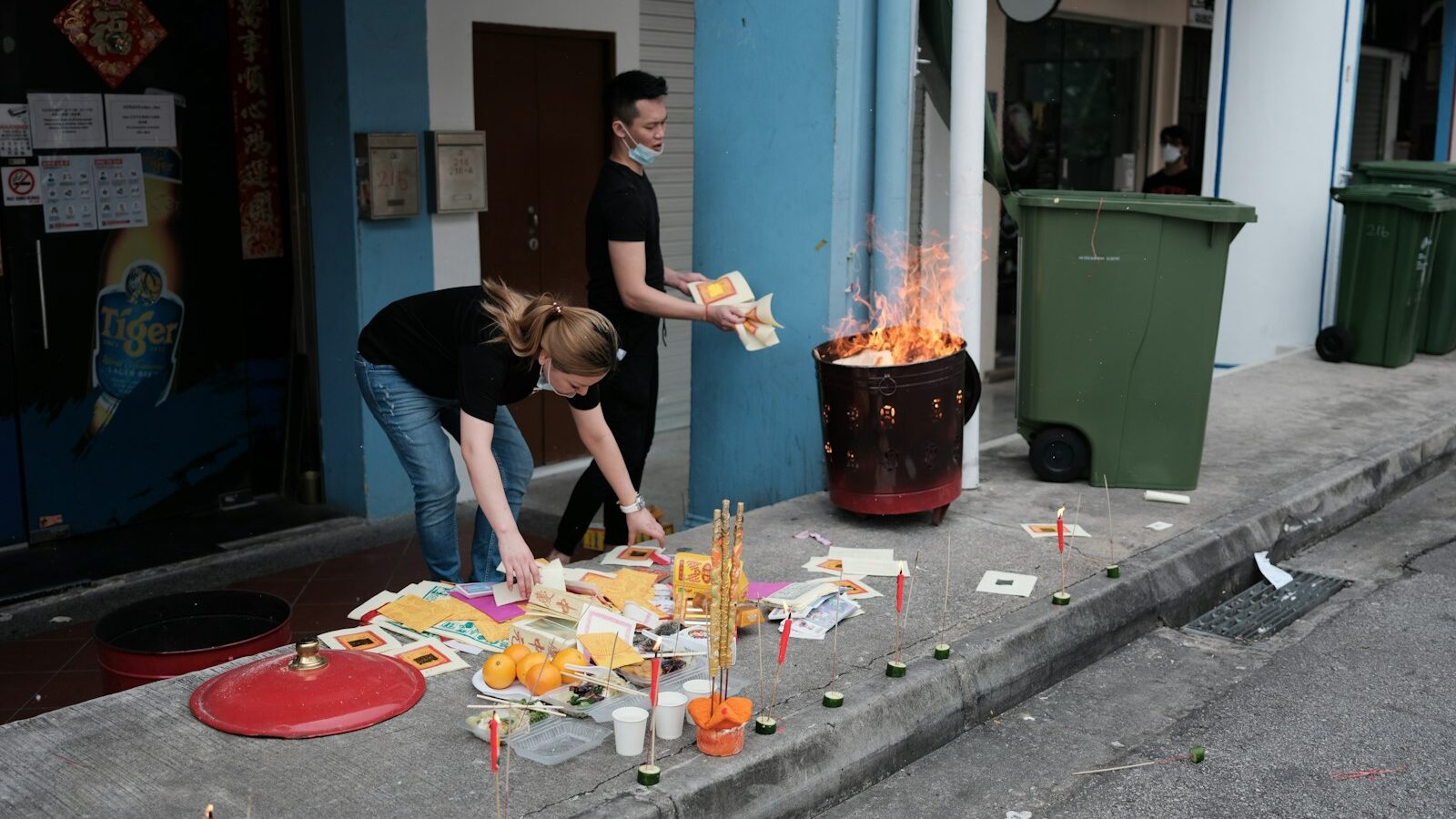
The Hungry Ghost Festival is a traditional observance marked during the seventh month of the lunar calendar. This guide explores what it is, its traditions and customs, and its place in cultural heritage. This is a respectful general overview.
What is the festival?
The Hungry Ghost Festival is a traditional Chinese observance, associated with the seventh month of the lunar calendar, rooted in Taoist and Chinese folk beliefs and customs. Observed by many in Singapore’s Chinese community, it is a period marked by various traditional customs, offerings and observances tied to beliefs about the spirit world during this month. The festival is associated with practices of making offerings and observing certain customs and traditions, and it is also a time notably associated with getai performances and other cultural activities in some communities. It is one of the traditional observances that form part of the cultural and religious heritage of the community. Understanding what the Hungry Ghost Festival is, a traditional observance during the seventh lunar month rooted in Taoist and folk beliefs, marked by customs and offerings, helps you appreciate its significance, so you can recognise it as a meaningful traditional observance within Singapore’s Chinese community, tied to particular beliefs and customs and forming part of the diverse cultural and religious heritage of the nation.
Traditions and customs
| Element | Broadly |
|---|---|
| Offerings | Traditional offerings during the month |
| Observances | Customs tied to beliefs |
| Getai | Live performances in some communities |
| Cultural activities | Associated community activities |
The Hungry Ghost Festival is associated with various traditional customs, observances and activities during the seventh lunar month. These traditionally include making offerings and observing certain customs and practices tied to the beliefs of the occasion. The festival period is also notably associated, in some communities, with getai, lively live variety performances and entertainment, as well as other cultural and community activities that mark the month. The specific customs and observances reflect Taoist and Chinese folk beliefs and traditions, and they may vary among families, communities and individuals. These traditions are part of the cultural fabric of the seventh month for those who observe it. Understanding the traditions and customs associated with the festival, offerings, observances, getai, and cultural activities, helps you appreciate the nature of this observance, so you can recognise the Hungry Ghost Festival period as a time marked by traditional customs, offerings and, in some communities, lively getai and cultural activities, reflecting the beliefs and traditions of those who observe it, while approaching the specifics with respect and deferring to the community’s own understanding.
Its place in cultural heritage
The Hungry Ghost Festival holds a place in the cultural and religious heritage of Singapore’s Chinese community, as a traditional observance reflecting Taoist and folk beliefs and customs. As one of the traditional observances of the seventh lunar month, it reflects the beliefs, traditions and cultural practices that form part of the community’s heritage. Its association with getai and cultural activities also connects it to community life and traditional performance heritage. Alongside the many traditions of Singapore’s communities, the festival contributes to the rich tapestry of cultural and religious observances that characterise the nation’s multicultural heritage. Understanding and appreciating it, respectfully, offers insight into the community’s traditions and beliefs. Understanding the place of the Hungry Ghost Festival in cultural heritage, as a traditional observance reflecting beliefs, customs and community life, helps you appreciate its significance within the community’s traditions, so you can recognise the festival as a meaningful part of the cultural and religious heritage of Singapore’s Chinese community, reflecting traditional beliefs and customs and contributing, alongside getai and community activities, to the diverse tapestry of the nation’s multicultural heritage.
Regarding it respectfully
As a traditional observance rooted in religious and cultural beliefs, the Hungry Ghost Festival warrants respect and understanding from those observing or encountering it. For those who observe it, it is a meaningful period of tradition and custom. For others, understanding the festival in a general, respectful way fosters appreciation of the community’s traditions and the nation’s cultural diversity. If encountering the festival’s customs, offerings or activities, being respectful and considerate of the beliefs and observances involved is appropriate, as with any cultural or religious tradition. The specific beliefs, customs and observances are best understood and respected within the community that practises them. Understanding the importance of regarding the festival respectfully, being considerate of the beliefs, customs and observances involved, helps you approach it appropriately, so you can regard the Hungry Ghost Festival with the respect and understanding due to a traditional cultural and religious observance, appreciating it as part of the community’s heritage and the nation’s diverse traditions, while being considerate of those for whom it is a meaningful period of custom and belief.
Part of a diverse heritage
The Hungry Ghost Festival is one of many traditional cultural and religious observances that together form the rich, diverse heritage of Singapore’s multicultural society. Alongside the traditions of the nation’s various communities and faiths, it reflects the diversity of cultural and religious practices that coexist in Singapore. Its association with getai also links it to the nation’s colourful performance heritage. Appreciating this festival, and the many others across the communities, in a general and respectful way, contributes to a fuller understanding and appreciation of the nation’s multicultural heritage. This respected diversity of traditions is part of what makes Singapore’s cultural heritage so rich and distinctive. Understanding the festival as part of a diverse heritage, one of many traditional observances reflecting the nation’s multicultural traditions, helps you appreciate its place within the broader tapestry, so you can recognise the Hungry Ghost Festival as one colourful thread in the rich, diverse cultural and religious heritage of Singapore’s communities, appreciating the diversity of traditions, and the associated performance heritage, that coexist and contribute to the nation’s distinctive multicultural heritage.
The takeaway
The Hungry Ghost Festival is a traditional Chinese observance associated with the seventh month of the lunar calendar, rooted in Taoist and folk beliefs and marked by customs, offerings and, in some communities, lively getai performances and cultural activities. Observed by many in Singapore’s Chinese community, it reflects traditional beliefs and customs and forms part of the community’s cultural and religious heritage, contributing, alongside its associated performance traditions, to the nation’s diverse multicultural heritage. As a traditional observance, it warrants respect and understanding from those observing or encountering it, with its specifics best understood within the community. One of many traditional festivals across Singapore’s communities, the Hungry Ghost Festival is a meaningful and colourful thread in the rich, diverse cultural heritage of the multicultural nation. This is a respectful general overview.
Explore more: Chinese opera and getai · Chinese temples and Taoism in Singapore · The Qing Ming festival