
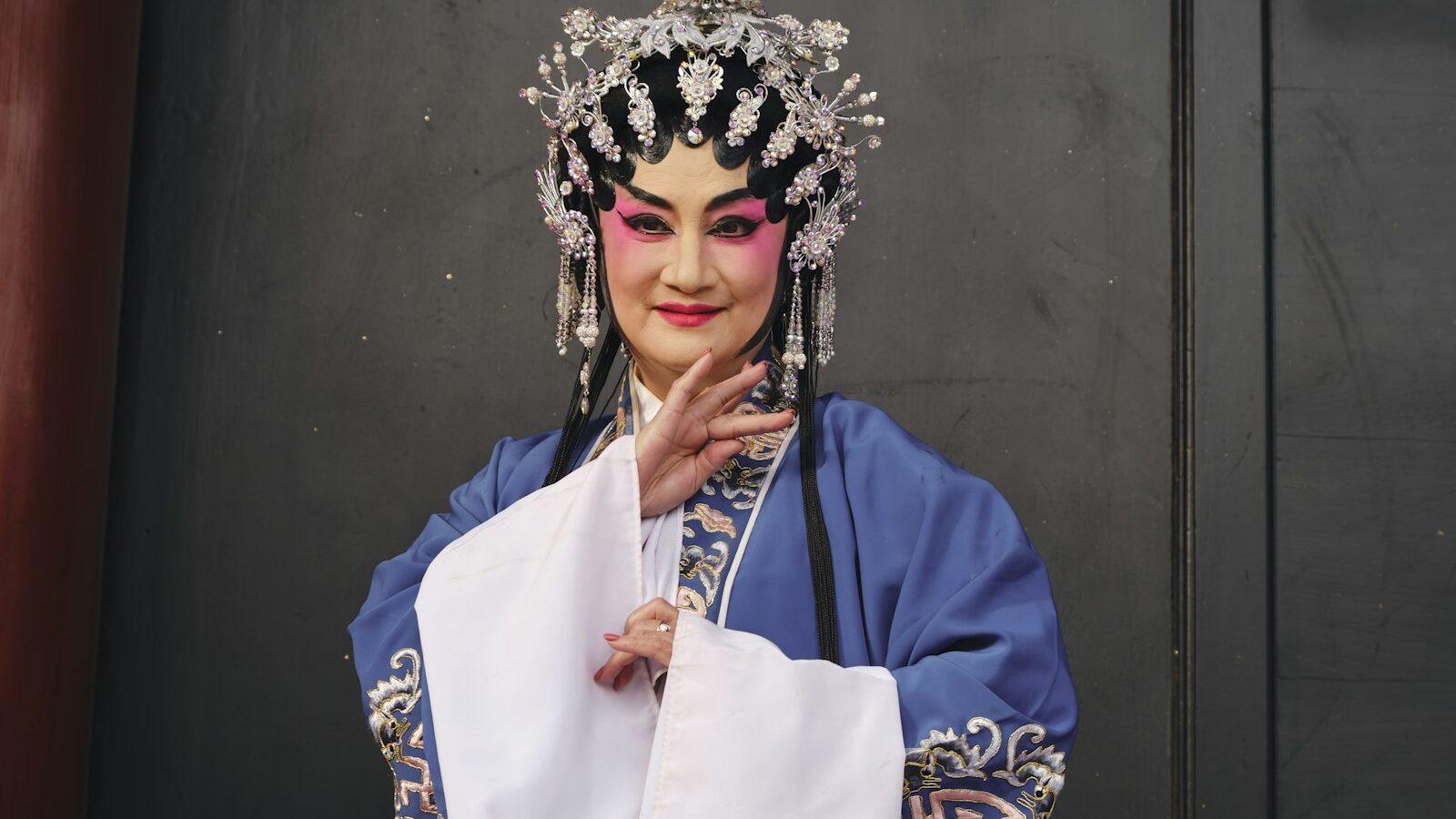
Chinese opera and getai are distinctive performance traditions long part of Singapore’s cultural life. This guide explores these art forms, their cultural role, and preserving this heritage. This is a general overview.
Traditional performance heritage
Chinese opera and getai are distinctive performance traditions that have long been part of Singapore’s cultural and community life, particularly within the Chinese community. Chinese opera, sometimes performed as street opera or “wayang,” is a traditional theatrical art form combining music, singing, elaborate costumes and performance, with deep cultural roots. Getai, meaning “song stage,” is a lively form of live variety entertainment, especially associated with certain festive and cultural occasions, featuring performances such as singing and entertainment. Both have been part of the cultural fabric, often tied to festivals, temples and community events, and both form part of the community’s performance heritage. Understanding that Chinese opera and getai are distinctive performance traditions long part of Singapore’s cultural life, helps you appreciate these art forms as meaningful parts of the community’s heritage, so you can value Chinese opera and getai as traditional and popular performance forms that have enriched cultural and community life, particularly around festivals and community occasions, and that form a colourful part of Singapore’s performance heritage.
Chinese opera and getai
| Form | Broadly |
|---|---|
| Chinese opera | Traditional theatrical art form |
| Street opera / wayang | Opera performed at community events |
| Getai | Lively live variety entertainment |
| Festive ties | Associated with festivals and occasions |
Chinese opera and getai are distinct but related parts of the community’s performance heritage. Chinese opera is a traditional theatrical art form combining music, singing, stylised performance, elaborate costumes and storytelling, with deep cultural and artistic roots. When performed at street or community settings, it is sometimes known as street opera or “wayang,” historically staged at festivals, temple events and community occasions. Getai, by contrast, is a more modern, lively form of live variety entertainment, especially associated with certain festive periods and cultural occasions, featuring energetic performances and entertainment. Both are often tied to festivals and community events, giving them a communal, festive character. Understanding the distinction between Chinese opera and getai, traditional theatrical opera (including street opera or wayang) and lively getai variety entertainment, helps you appreciate these related but distinct performance forms, so you can recognise the traditional artistry of Chinese opera and the lively festivity of getai as two colourful, community-rooted parts of Singapore’s performance heritage, both often tied to festivals and cultural occasions.
Their cultural role
Chinese opera and getai have played meaningful cultural roles in the community, beyond mere entertainment. They have been part of festivals, temple events and community occasions, contributing to the festive, communal and cultural life of the community. They reflect and transmit cultural traditions, stories, music and artistry, connecting people to heritage. They have provided shared entertainment and communal experiences, bringing people together. And they hold nostalgic and cultural significance, especially for older generations who remember them as part of community life. These roles make Chinese opera and getai more than performances, they are threads of community, culture and heritage. Understanding the cultural role of Chinese opera and getai, in festivals and community life, transmitting culture, providing shared entertainment, and holding nostalgic significance, helps you appreciate their meaning beyond entertainment, so you can value these performance forms as part of the festive, communal and cultural fabric of the community, connecting people to heritage, tradition and shared experience as colourful and meaningful parts of Singapore’s cultural life.
Preserving this heritage
Like many traditional cultural forms, Chinese opera and, in its traditional way, getai face the pressures of changing times, modern entertainment and shifting tastes, making the preservation of this performance heritage valuable. Efforts to preserve, support, document and celebrate Chinese opera and getai, and to sustain the practitioners and traditions behind them, help keep this heritage alive. Appreciating and supporting these art forms, whether by valuing performances, learning about the traditions, or celebrating this heritage, contributes to their continuity. Preserving this heritage keeps a colourful, meaningful part of the community’s cultural life alive for future generations. Understanding the value of preserving this heritage, through supporting, documenting, celebrating and appreciating Chinese opera and getai, helps you recognise your part in keeping these traditions alive, so you can value and support this performance heritage amid the pressures of modern times, helping to sustain the traditional artistry of Chinese opera and the lively festivity of getai as cherished, colourful parts of Singapore’s cultural heritage for the future.
Appreciating the art forms
For those interested in Singapore’s cultural heritage, Chinese opera and getai offer distinctive, colourful art forms to appreciate. Experiencing a performance, whether traditional opera or lively getai, especially around festivals or community occasions, offers a vivid window into this performance heritage and the community’s cultural life. Learning about the traditions, artistry and cultural roles behind these forms deepens appreciation. Approaching them with curiosity and respect for their heritage enriches the experience. Appreciating these art forms is a rewarding way to engage with a colourful part of the community’s culture and to support the continuity of this heritage. Understanding how to appreciate Chinese opera and getai, by experiencing performances and learning about their traditions and cultural roles, helps you engage meaningfully with this performance heritage, so you can enjoy and value the traditional artistry of Chinese opera and the lively festivity of getai as vivid, colourful expressions of the community’s cultural life, deepening your appreciation of Singapore’s rich and diverse performance heritage.
The takeaway
Chinese opera and getai are distinctive performance traditions long part of Singapore’s cultural and community life, particularly within the Chinese community. Chinese opera, including street opera or “wayang,” is a traditional theatrical art form of music, singing, costume and performance, while getai is a lively form of live variety entertainment, both often tied to festivals and community occasions. They have played meaningful cultural roles, in festive and communal life, transmitting culture, providing shared entertainment, and holding nostalgic significance. Amid the pressures of modern times, preserving, supporting and appreciating these art forms keeps a colourful part of the community’s heritage alive. Experiencing and learning about Chinese opera and getai offers a vivid, rewarding window into Singapore’s rich performance heritage. This is a general overview.
Explore more: Traditional music of Singapore · Chinese temples and Taoism in Singapore · The Hungry Ghost Festival