
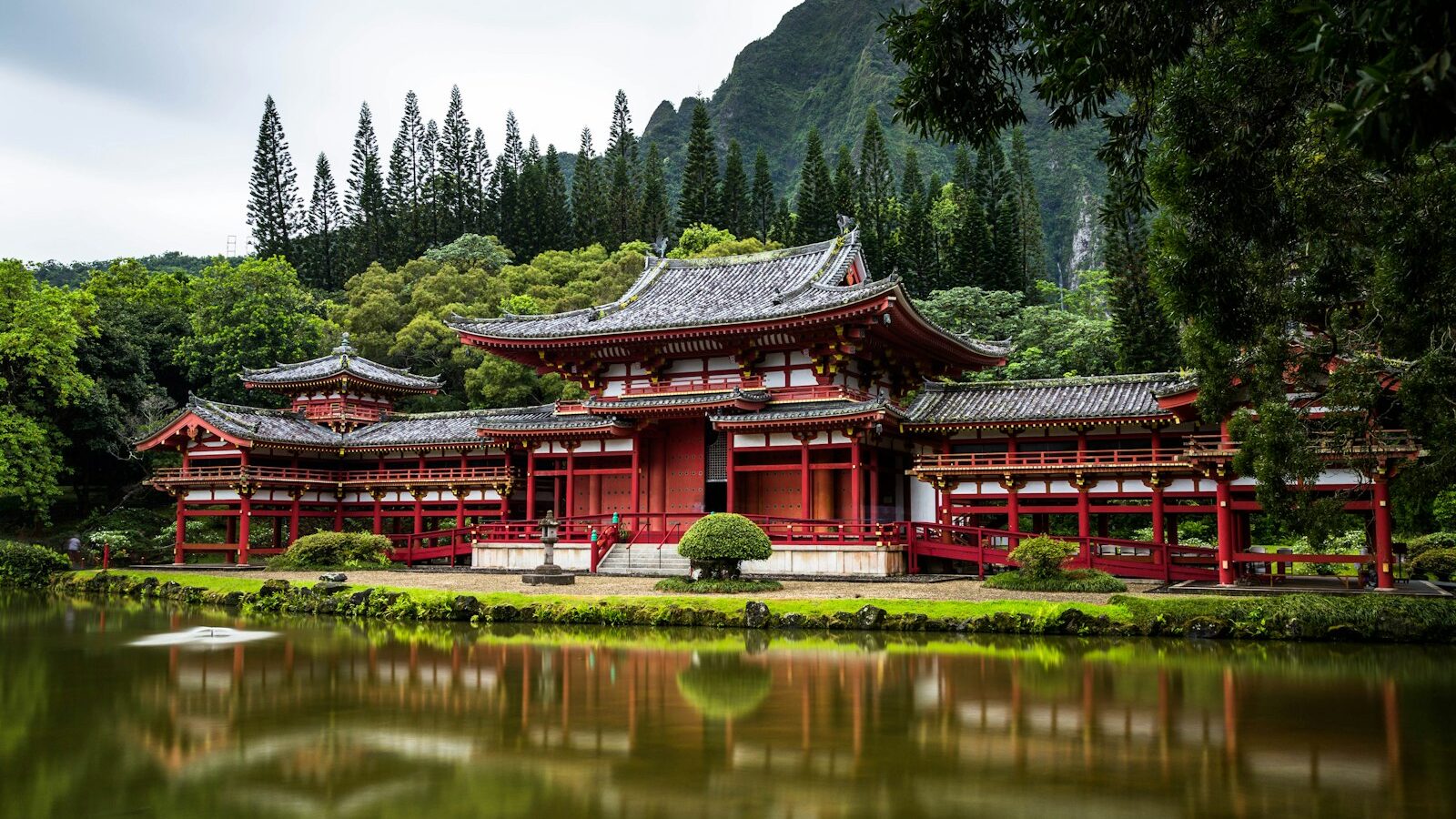
Chinese temples are a beautiful and significant part of Singapore’s cultural and religious landscape, reflecting the heritage of Taoism, Chinese folk religion and Buddhism among the community. This guide explores Chinese temples and Taoism in Singapore, their heritage, customs and how to visit respectfully.
Heritage and role
Chinese temples have long been central to the religious and cultural life of Singapore’s Chinese community, serving as places of worship, community gathering and the preservation of tradition. They reflect the heritage of Taoism, Chinese folk religion and Buddhism, which have often blended in local practice. Historically, temples were focal points for early immigrant communities, offering spiritual solace, community support and connection to ancestral traditions. Today, they remain active places of worship and living heritage, where customs, festivals and devotions continue. The temples are also architectural treasures, rich with craftsmanship and symbolism. Understanding their heritage and role illuminates an important dimension of the community’s culture and Singapore’s religious diversity.
Temple architecture and features
| Feature | Significance |
|---|---|
| Ornate architecture | Rich craftsmanship and symbolism |
| Deities and altars | Central to worship and devotion |
| Incense and offerings | Traditional expressions of devotion |
| Symbolic details | Colours, carvings and motifs with meaning |
Chinese temples are known for their beautiful, ornate architecture, rich with craftsmanship, colour and symbolism. Intricate carvings, decorative roofs, statues and altars adorn these sacred spaces, each element often carrying symbolic meaning. Deities are venerated at altars, and worshippers make offerings and burn incense as traditional expressions of devotion and prayer. The colours, motifs and details of temple architecture reflect cultural beliefs, auspicious symbolism and artistic heritage. These features make temples not only places of worship but also repositories of art and tradition. Appreciating the architecture and its symbolism enriches a visit, revealing the craftsmanship and cultural meaning embedded in these beautiful and significant sacred spaces.
Taoism and folk religion
Taoism and Chinese folk religion are central to the worship at many Chinese temples, often blending with Buddhist elements in local practice. Taoism, with its ancient philosophical and religious roots, venerates various deities and emphasises harmony, tradition and ritual. Chinese folk religion encompasses the worship of deities, ancestors and spirits, deeply woven into community life and customs. In Singapore, these traditions have long been practised and preserved, shaping festivals, rituals and everyday devotions. The blending of Taoism, folk religion and Buddhism reflects the syncretic nature of Chinese religious practice. Understanding these traditions offers insight into the beliefs and customs that animate the temples and the community’s spiritual heritage, from deity worship to ancestral veneration and seasonal rituals.
Festivals and customs
Chinese temples come alive during festivals and religious occasions, which are vibrant expressions of tradition and devotion. Festive periods, such as Chinese New Year and various deity celebrations, see temples bustling with worshippers, offerings, rituals and festivities. These occasions reflect the community’s beliefs and customs, from prayers for blessings and prosperity to ancestral veneration and seasonal traditions. Temples also mark other important customs throughout the year. Experiencing a temple during a festival offers a vivid window into living heritage and communal devotion. These festivals and customs, rooted in Taoism, folk religion and Buddhism, are a colourful and meaningful part of the community’s cultural and religious life, keeping ancient traditions vibrant in contemporary Singapore.
Visiting respectfully
Visitors are often welcome at Chinese temples, but it is important to visit respectfully. Dressing modestly, behaving quietly and considerately, and being mindful of worshippers and rituals are appreciated. Observe any guidelines regarding photography, offerings or restricted areas, and avoid disturbing those in prayer. Approaching the temple with curiosity, humility and respect enhances the experience and honours the sacredness of the space. Temples are active places of worship and living heritage, not merely tourist attractions, so respectful conduct is essential. Visiting thoughtfully offers a rewarding opportunity to appreciate the architecture, customs and spiritual life of the community, and to gain insight into an important part of Singapore’s religious and cultural heritage.
The takeaway
Chinese temples are a beautiful and significant part of Singapore’s cultural and religious landscape, reflecting the heritage of Taoism, Chinese folk religion and Buddhism among the community. As places of worship, community gathering and living heritage, they preserve traditions, rituals and festivals, and their ornate architecture is rich with craftsmanship and symbolism. Understanding the beliefs, customs and festivals that animate the temples offers insight into the community’s spiritual heritage. Visiting respectfully, with curiosity and humility, allows appreciation of these sacred spaces and their cultural meaning. Chinese temples are a vibrant, enduring part of Singapore’s religious diversity and heritage, well worth understanding and appreciating.
A respectful visit, step by step
If you have never entered a Chinese temple before, a simple sequence can help you feel at ease and move through the space without disrupting worshippers. While customs vary between temples and traditions, the following flow is common at many Taoist and folk-religion temples in Singapore.
- Enter mindfully: step over the raised threshold at the doorway rather than treading on it, as it is traditionally regarded with respect. Where a temple has separate doors, follow any signage or simply use the central or side entrance that others are using.
- Observe before acting: pause and watch how regular devotees move, where they light incense and how they bow. Following the general rhythm of the space is the easiest way to avoid missteps.
- Offering incense: if you wish to participate, incense (joss sticks) is usually available near the entrance. Light it, hold it with both hands, bow gently towards the main altar, then place the sticks in the designated urn. Never point lit incense directly at another person.
- Making offerings: fruit, flowers and other offerings are placed on the altar tables provided. There is no obligation to make an offering, and quietly observing is perfectly acceptable.
- Fortune sticks and blessings: some temples offer kau chim (fortune sticks) or divination blocks. These are optional rituals, and it is courteous to ask a temple helper or wait your turn rather than handling items unfamiliar to you.
- Donations: donation boxes support the temple’s upkeep and community work. Any contribution is voluntary and given according to your own means.
Above all, move slowly, speak softly and give worshippers space to complete their prayers. Practices differ from temple to temple, so when in doubt, a polite question to staff or volunteers is always welcome.
Common mistakes to avoid
Well-meaning visitors sometimes cause unintended offence simply because they are unfamiliar with temple etiquette. Keeping a few common pitfalls in mind helps ensure your visit is both respectful and rewarding.
- Treating it as a photo backdrop: temples are active places of worship, not merely attractions. Check for signage on photography, avoid flash near altars, and never photograph people in prayer without permission.
- Dressing too casually: very short shorts, revealing tops or beachwear can read as disrespectful. Modest, covered clothing is a safe choice, and some prayer halls may ask you to remove your shoes.
- Touching or moving items: altars, offerings, statues and ritual objects should not be handled unless you are invited to take part. When unsure, keep your hands to yourself.
- Turning your back to the main deity: when leaving an altar, it is more courteous to step back a little before turning, rather than turning away abruptly.
- Being loud or rushing through: raised voices, phone calls and hurried movement can disturb quiet devotion. A calm, unhurried presence is appreciated.
Because customs can differ by temple, deity and tradition, treat any posted guidelines and the instructions of temple staff as the final word. For details on major festival dates, road closures or crowd-management arrangements around large celebrations, check announcements from the individual temple and relevant Singapore authorities closer to the date.
Explore more: Buddhist temples of Singapore · Chinatown heritage guide · Chinese New Year in Singapore