
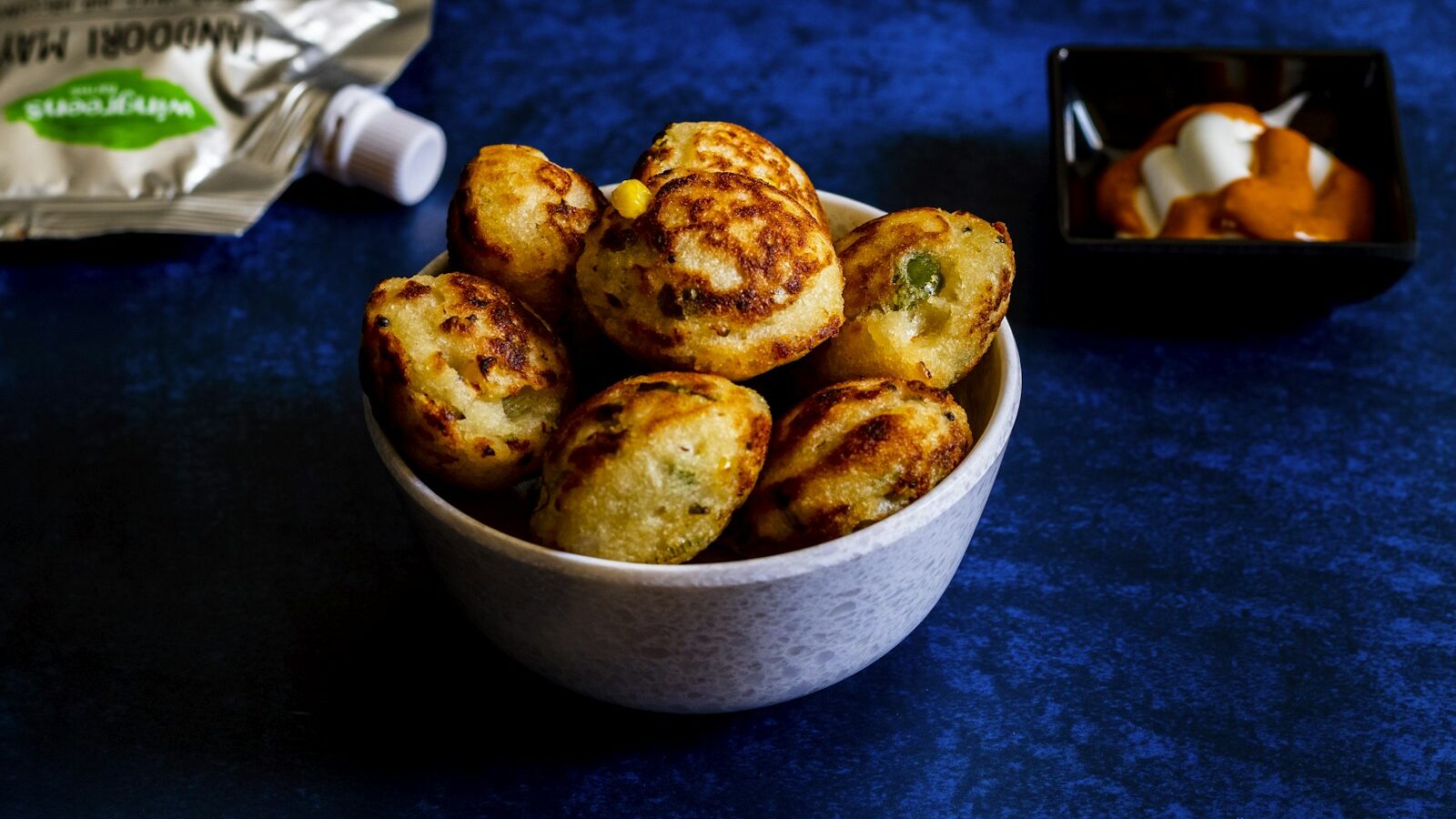
Among the many South Indian dishes you can find in Singapore, appam is one of the prettiest and most distinctive. Picture a thin, lacy pancake with a soft, spongy centre and crisp, paper thin edges, cooked in a small rounded pan so it comes out shaped like a shallow bowl. Appam in Singapore is a quiet classic, less famous than roti prata or thosai but beloved by those who know it, and once you have tasted a good one you understand why. This guide covers what appam is, how it is made, the versions you will meet, and how to enjoy it the way regulars do.
What Makes Appam Different
Appam is built from a fermented batter of rice and coconut. The rice is soaked and ground, coconut milk is worked in, and the batter is left to ferment, which gives appam its gentle sour tang and its airy, bubbly texture. The fermentation is the whole secret. It is what makes the centre rise soft and spongy while the edges spread thin and lacy.
The cooking pan matters just as much. Appam is made in a small, deep, rounded pan rather than on a flat griddle. The cook pours in a ladle of batter and swirls the pan so the batter climbs the sides. The middle stays thick and fluffy while the sides run thin and crisp up. Lift it out and you get that signature bowl shape, thick at the bottom and delicate at the rim.
That contrast in a single piece, custardy soft in the middle and crackly at the edge, is what sets appam apart from the flatter, more uniform thosai. It is naturally light, and because it is rice based, it suits people looking for something gentle on the stomach.
The Main Kinds of Appam
Appam comes in a few forms, and it helps to know them before you order.
- Plain appam. The classic. Just the fermented rice and coconut batter, cooked to that soft centre and lacy edge. Eaten with curry or sugar.
- Egg appam. Sometimes called egg hopper. An egg is cracked into the middle of the pancake as it cooks, so it sets into the spongy base. The yolk stays soft and rich, and this is a firm favourite.
- Sweet appam. A dessert leaning version, sometimes with extra coconut milk, palm sugar, or a sweeter batter, eaten as a snack rather than a meal.
You may also come across string hoppers, known as idiyappam, which are steamed nests of rice noodles. They share the same South Indian and Sri Lankan roots and often appear on the same menus, but they are a different dish with a different texture. Do not confuse the bowl shaped appam with these steamed noodle nests.
How Appam Is Eaten
Appam is versatile, and it swings easily between savoury and sweet depending on what you pair it with.
On the savoury side, it is commonly eaten with:
- A mild coconut based curry or vegetable stew, ladled into the soft centre.
- Dhal or a light gravy for dipping the crisp edges.
- A spicy sambal or chutney for those who want more heat.
On the sweet side, the simplest and most traditional way is with a sprinkle of sugar, or with sweetened coconut milk poured into the bowl. The soft centre soaks it up while the crisp rim stays as a contrast. Egg appam is usually eaten savoury, with the runny yolk acting almost like a sauce of its own.
The trick with appam is to eat it fresh and to eat both textures together. Tear a piece that includes some of the soft middle and some of the crisp edge, and you get the full effect in one bite. Regulars know it does not keep well, since the crisp edges soften quickly, so it is a dish best enjoyed on the spot.
Appam Next to Its South Indian Cousins
If you are still building a picture of South Indian breakfast food, it helps to place appam alongside the dishes it shares a menu with.
| Dish | Base | Texture | Typical pairing |
|---|---|---|---|
| Appam | Fermented rice and coconut | Soft centre, lacy crisp edge | Curry, sugar, or coconut milk |
| Thosai | Fermented rice and lentil | Thin, flat, crisp | Chutney and sambar |
| Idli | Fermented rice and lentil | Soft, steamed, spongy | Chutney and sambar |
| String hoppers | Rice flour, steamed | Soft noodle nests | Curry or sweetened coconut |
Seen this way, appam is the one that combines two textures in a single piece and that leans as happily sweet as savoury. That flexibility is a big part of its charm.
Finding and Enjoying Appam Like a Local
Appam is not on every corner the way prata can feel, but it is far from rare. You will find it at South Indian and vegetarian restaurants, at stalls that specialise in thosai and its relatives, and very often in the eateries around Little India and in the older estates where South Indian food has long been served. It tends to be a morning and evening dish, so timing your visit around those windows improves your odds.
A few pointers to get the best of it:
- Order it fresh and eat it promptly, before the crisp edges give way.
- Decide savoury or sweet before you order, so you can ask for the right accompaniment.
- Try egg appam at least once, since the soft yolk against the spongy base is a small revelation.
- Ask the stall what they serve it with, as pairings vary between shops and communities.
As with all such dishes, specific stalls, prices, and opening hours change over time, and recipes differ a little between families and regions, so it is worth checking current details and simply asking what is on offer. Appam is a gentle, rewarding introduction to the depth of South Indian cooking in Singapore, and a dish that quietly earns a place among the island’s best loved breakfasts.
Explore more
Appam is a great next step once you have met the basics, so pair this with our Indian breakfast guide and our roti prata guide for the fuller South Indian picture. To see where these dishes live, wander through our Little India heritage guide, and for more of the same spirit try our vegetarian and vegan guide.