
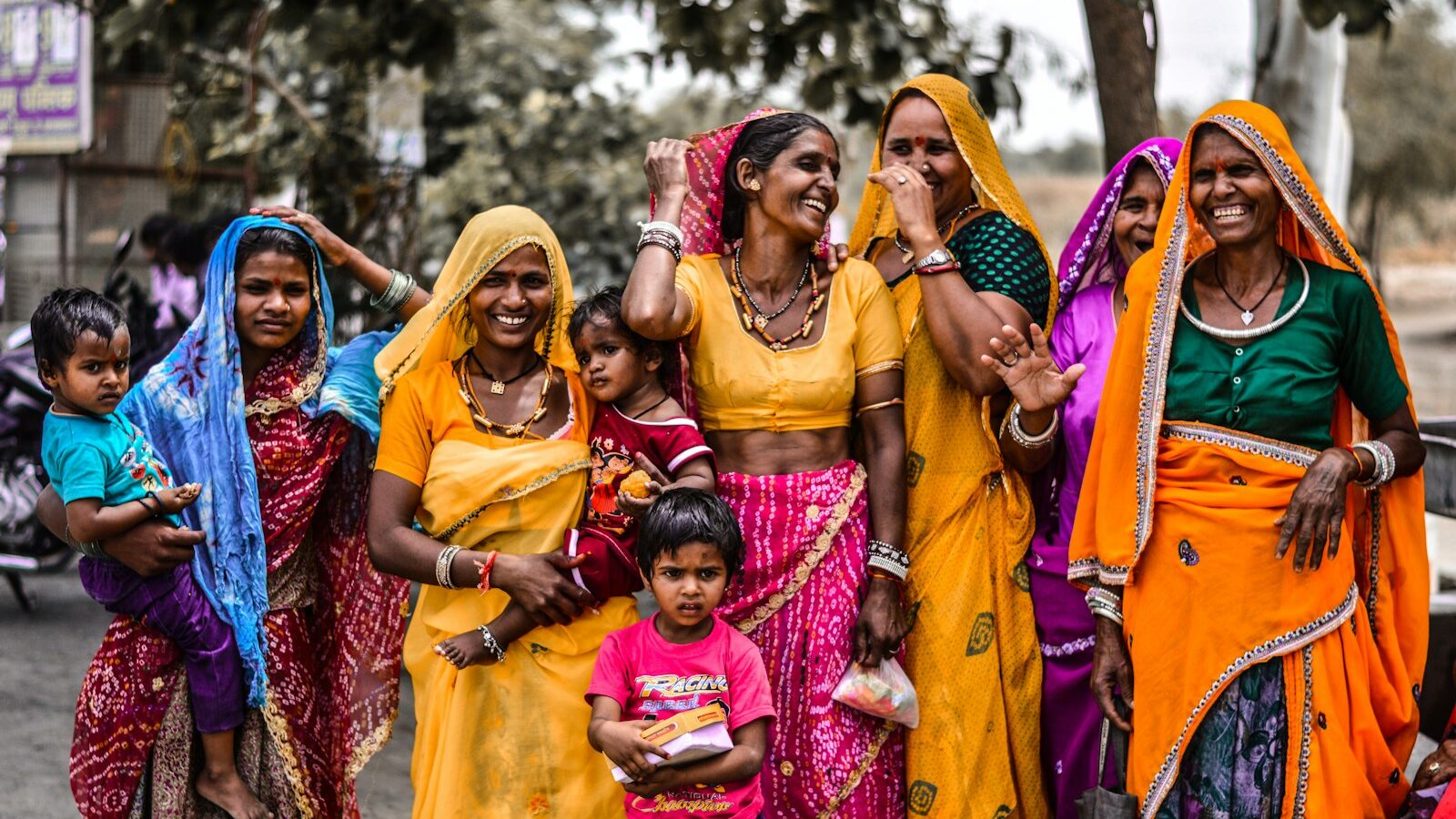
The Indian community is one of Singapore’s founding communities, with a rich and diverse culture of customs, traditions, festivals and food. Understanding Indian customs offers insight into a vibrant part of the nation’s heritage. This guide explores Indian customs and traditions in Singapore.
Heritage and diversity
The Indian community is deeply woven into Singapore’s history and culture, and it is notably diverse, encompassing people of various regional origins, languages, religions and traditions. This internal diversity means Indian customs in Singapore are rich and varied, though shared values of family, respect, hospitality, faith and celebration run throughout. The community has contributed enormously to Singapore’s culture, from food and festivals to language and the arts. Understanding this diversity, and the values that underpin the community’s traditions, helps make sense of its customs and celebrations. This rich heritage is an integral and colourful part of Singapore’s multicultural fabric, and appreciating it fosters mutual understanding and respect across communities.
Festivals and celebrations
| Occasion | Character |
|---|---|
| Deepavali | The festival of lights, joyful and spectacular |
| Other festivals | Various cultural and religious celebrations |
| Family and community | Central to festive celebration |
| Traditions | Rituals, food, decorations and gatherings |
Festivals are central to Indian culture, and Deepavali, the festival of lights, is the most widely celebrated and spectacular, especially vibrant in Little India, where the district is adorned with lights and decorations. Deepavali is a joyful time of family gatherings, festive food, new clothes, decorations and the triumph of light over darkness and good over evil. The community also celebrates various other cultural and religious festivals throughout the year. These celebrations showcase the community’s rich traditions, from rituals and decorations to festive foods and family gatherings. Experiencing festivals like Deepavali offers a wonderful, colourful window into the vibrant traditions of the Indian community.
Food and hospitality
Food is a glorious part of Indian culture and a treasured expression of hospitality. Indian cuisine is famously rich, diverse and flavourful, reflecting the community’s varied regional origins, and it has become an integral, beloved part of Singapore’s food landscape. Sharing food is central to gatherings, celebrations and everyday hospitality, and welcoming and feeding guests generously is a cherished tradition. From festive feasts to everyday meals, food expresses warmth, community and generosity. The diversity of Indian cuisine, from different regional styles to sweets and street food, offers a delicious culinary heritage enjoyed across Singapore. Food and hospitality together embody the warmth and generosity at the heart of Indian culture and are a wonderful way to experience its traditions.
Weddings and customs
Indian weddings are famously rich, colourful and elaborate celebrations, often involving multiple ceremonies, vibrant attire, music, feasting and the coming together of families and communities. They reflect the importance of family, community, tradition and celebration in Indian culture, and their splendour is renowned. The specific customs vary across the community’s diverse traditions, but weddings universally embody joy, ritual and togetherness. Beyond weddings, various customs and ceremonies mark other life events and milestones. These rich traditions reflect the community’s values and heritage. Observing or being part of an Indian wedding or celebration is a vibrant, joyful experience that offers wonderful insight into the community’s customs and the importance it places on family and celebration.
Courtesies and everyday customs
Everyday Indian customs emphasise respect, hospitality and warmth. Showing respect to elders, offering warm hospitality to guests, removing shoes before entering homes and places of worship, and observing courtesies and gestures of politeness are all valued. When visiting an Indian home or place of worship, being respectful and observing appropriate courtesies is appreciated and fosters mutual respect. The community’s traditions place importance on family, respect and generosity, reflected in everyday interactions. Being aware of and respectful towards these customs enhances understanding and connection. These everyday courtesies, rooted in the community’s values, contribute to the warmth and richness that characterise Indian culture and are a meaningful part of Singapore’s multicultural social fabric.
The takeaway
The Indian community is one of Singapore’s founding communities, with a rich, diverse and vibrant culture rooted in values of family, respect, hospitality, faith and celebration. From the spectacular festival of Deepavali and the glorious, diverse cuisine to elaborate, colourful weddings and everyday courtesies, Indian customs reflect a heritage of warmth, generosity and rich tradition. Understanding and appreciating this diversity and these customs offers valuable insight into a vibrant part of Singapore’s multicultural story and fosters mutual respect across communities. The colour, warmth and rich traditions of Indian culture are a cherished and integral part of the nation’s heritage, well worth understanding and celebrating.
Languages, faiths and places of worship
One reason Indian customs in Singapore feel so varied is that the community draws on several languages and faith traditions rather than a single one. Tamil is one of Singapore’s four official languages, and you will also hear other Indian languages spoken at home and at community gatherings, each carrying its own literature, songs and forms of address. Faith is woven through many customs too. While a large part of the community is Hindu, there are also Muslims, Christians, Sikhs and others, which is why festivals, dietary practices and life-event ceremonies can differ noticeably from one family to the next.
This religious diversity is visible in the places of worship dotted across the island, from ornate Hindu temples with their colourful gopuram towers to gurdwaras, mosques and churches that serve members of the community. If you plan to visit any of these, a few points help you show respect:
- Dress modestly: cover shoulders and knees, and keep attire simple rather than flashy.
- Remove footwear: shoes come off before entering the prayer hall, and you may be asked to cover your head in some places of worship.
- Follow the flow: observe what regular worshippers do, keep your voice low, and avoid walking in front of people who are praying.
- Ask before photographing: some areas welcome photos while others do not, so check the signs or ask an attendant.
For visiting hours, festival timings or specific etiquette at any temple or place of worship, it is best to check with the individual organisation, as practices differ. When in doubt, a polite question is always welcomed.
Common courtesies visitors sometimes overlook
If you have been invited to an Indian home, a Deepavali open house or a celebration, a little awareness goes a long way and helps you avoid the small missteps that visitors sometimes make without realising. None of these are hard rules that apply to every family, but keeping them in mind reflects genuine respect.
- Mind the right and left hand: when giving, receiving or eating, the right hand is traditionally preferred, as the left is considered less clean in some households.
- Check dietary practices before bringing food: many families are vegetarian, some avoid beef and others avoid pork or alcohol, so it is thoughtful to ask rather than assume when bringing a gift or dish.
- Do not refuse hospitality outright: being offered food and drink is an expression of warmth, so accepting even a little is more gracious than a flat no.
- Dress with the occasion in mind: festive gatherings often call for brighter, smarter attire, and turning up too casually can feel out of step with the celebration.
- Greet elders first: acknowledging older family members with a warm, respectful greeting on arrival is appreciated.
Above all, approach these customs with curiosity and openness rather than anxiety about getting everything perfect. Most hosts are delighted that you have taken an interest, and a sincere, friendly attitude matters far more than flawless etiquette. Observing, asking politely and following your host’s lead will see you comfortably through any gathering, and it deepens the mutual understanding that makes Singapore’s multicultural life so rewarding.
Explore more: Little India heritage guide · Deepavali in Singapore · Hindu temples of Singapore