
A vibrant feast for the senses, Little India is one of Singapore’s most colourful and characterful districts, rich with Indian heritage, culture, temples, food and festivity. This guide explores the heritage of Little India and what makes this lively enclave so special.
The character of Little India
Little India is the historic and cultural heart of Singapore’s Indian community, a vibrant, bustling district that engages all the senses with its colours, aromas, sounds and flavours. Rich with heritage, it developed as an enclave of the Indian community and remains a living centre of Indian culture, religion, food and commerce. Unlike more polished districts, Little India pulses with an energetic, authentic atmosphere, especially during festivals. It offers a immersive experience of Indian heritage and contemporary community life alike. For those seeking culture, food, and a genuinely lively, colourful district, Little India is one of the most distinctive and rewarding areas to explore in Singapore.
Temples and places of worship
| Site | Significance |
|---|---|
| Hindu temples | Ornate, historic and central to the community |
| Other faiths | Places of worship of various religions |
| Living heritage | Active sites of worship and festivity |
Little India is home to significant places of worship, most notably ornate and historic Hindu temples that are central to the community and among the district’s most striking landmarks, with their colourful, intricately carved facades. The district also reflects Singapore’s religious diversity, containing places of worship of other faiths too. These temples are active sites of worship and cultural life, particularly vibrant during religious festivals. Visiting them respectfully offers insight into the spiritual heart of the community. The temples are not just architectural highlights but living heritage where traditions and devotions continue as they have for generations.
Food and markets
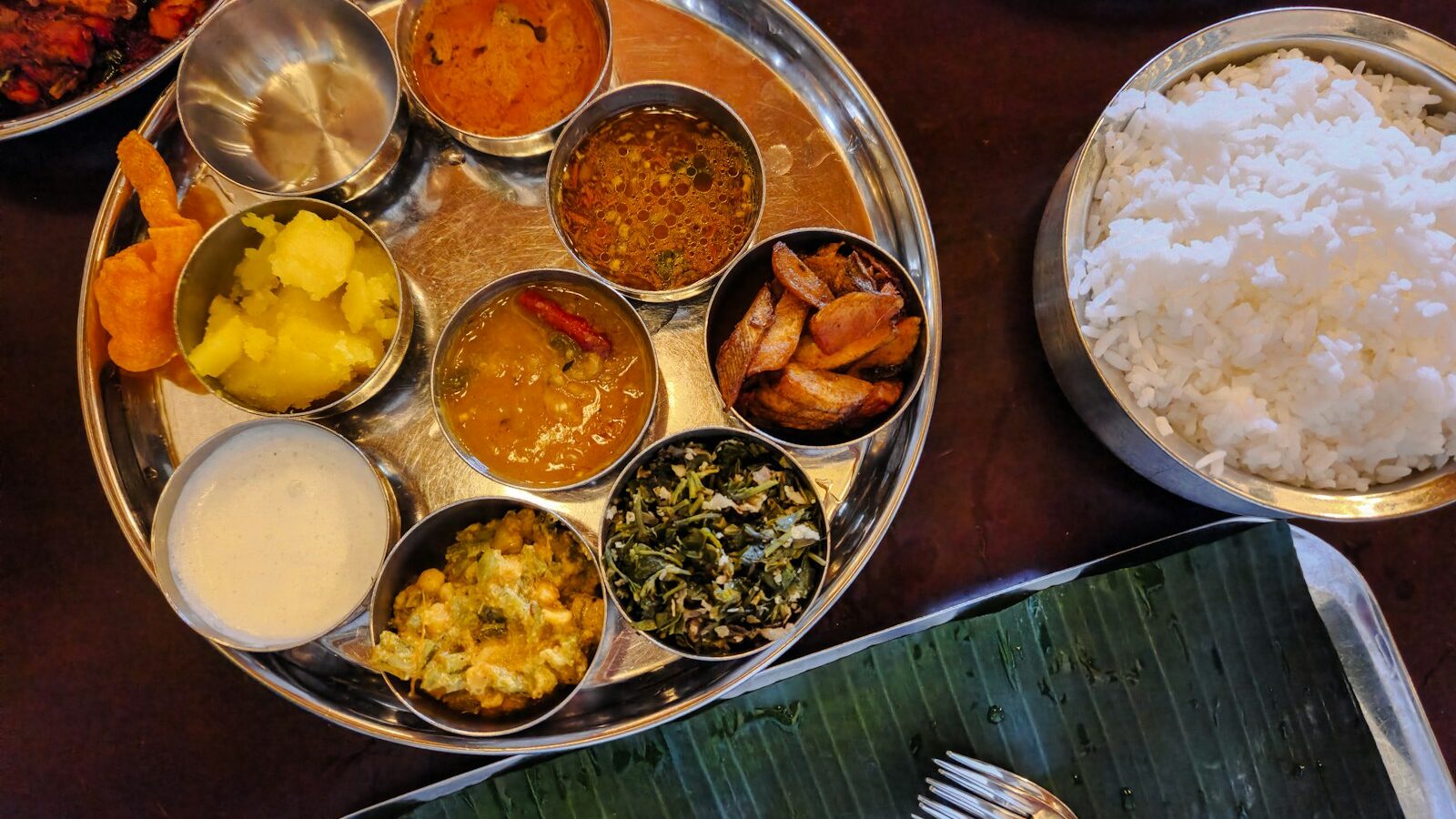
Food is central to the Little India experience, and the district is a paradise for lovers of Indian cuisine. From traditional South and North Indian dishes to sweets, street food and the famous banana leaf meals, the food offers an authentic and delicious taste of Indian culinary heritage. The district’s markets and shops are equally vibrant, selling everything from spices, produce and traditional goods to textiles, jewellery and flowers, especially the garlands used in worship and celebration. Exploring the food and markets is essential to experiencing Little India, immersing you in the colours, aromas and flavours that define the district and connect its heritage to everyday community life.
Festivals and celebrations
Little India comes alive during festivals, and experiencing the district during a celebration is unforgettable. Deepavali, the festival of lights, is especially spectacular, when the district is adorned with lights and decorations and buzzes with festive shopping and energy. Other cultural and religious festivals also animate the district throughout the year. These celebrations showcase the vibrant traditions of the community, from decorations and rituals to festive foods and shopping. Visiting Little India during a festival like Deepavali offers a heightened, joyful experience of its culture and heritage. Even outside festival times, the district retains a lively energy, but the festive periods reveal its cultural richness at its most vivid.
Experiencing Little India
Little India rewards immersive, on-foot exploration. Wandering its streets, admiring the temples and colourful shophouses, sampling the food, browsing the markets, and soaking up the vibrant atmosphere lets you experience both its heritage and its living culture. The district engages all the senses, and part of its appeal is simply absorbing the energy, colours and aromas. Approaching it with curiosity and an open, respectful attitude, especially at religious sites, enhances the experience. Whether you come for the food, the culture, the shopping or the atmosphere, Little India offers one of the most authentic, vibrant and sensory cultural experiences in Singapore, well worth exploring at an unhurried pace.
The takeaway
Little India is a vibrant, colourful and characterful district that serves as the cultural heart of Singapore’s Indian community, offering a rich, sensory experience of heritage and living culture. From its ornate Hindu temples and diverse places of worship to its delicious food, bustling markets, and spectacular festivals like Deepavali, the district engages all the senses and immerses visitors in Indian heritage and community life. Explore it on foot with curiosity and respect, sampling the food, browsing the markets, and soaking up the energy, especially during festivals. A feast for the senses and a living piece of heritage, Little India is an essential and rewarding part of experiencing Singapore.
Planning your visit
A little planning helps you get the most out of Little India, though part of its charm is that it rewards spontaneous wandering. The district is well served by public transport and sits within easy reach of the city centre, so it is straightforward to fold into a wider day of exploring. Many visitors find that the atmosphere shifts across the day, so the timing of your visit shapes the experience as much as the route you take.
- Getting there: The area is served by the MRT and multiple bus routes, making it one of the easier heritage districts to reach without a car. Check current lines, timings and fares on the official LTA or public transport channels before you set off.
- Best times to go: Mornings tend to be calmer and cooler for browsing markets and temples, while evenings and weekends bring the fullest, most energetic crowds. Weekend evenings in particular can be very busy, so go early if you prefer a gentler pace.
- Weather and comfort: Much of the district is explored on foot and outdoors, so dress for Singapore’s heat and humidity, carry water, and build in shaded breaks at a cafe or eatery.
- Festival periods: During Deepavali and other celebrations the streets are at their most vivid but also their most crowded, so allow extra travel time and patience, and consider visiting outside peak hours if you dislike dense crowds.
Because the district is compact and walkable, there is no single “correct” itinerary. Setting aside a few unhurried hours, rather than rushing through, lets the sights, aromas and sounds unfold naturally.
Etiquette and respectful visiting
Little India is a living community and an active centre of worship, not simply a tourist attraction, so a respectful approach matters and helps you avoid a few common missteps. A little awareness goes a long way in a district where daily religious and cultural life carries on around you.
- At places of worship: Dress modestly, remove your shoes where required, and follow any posted guidance or instructions from temple staff. Observe quietly and keep your voice low, especially during prayers or rituals.
- Photography: Ask before photographing people, worshippers or ceremonies, and look out for signs indicating where photography is not permitted, particularly inside temples.
- In markets and shops: Handle goods, produce and flower garlands with care, and be mindful that many items, such as garlands, hold religious or ceremonial significance rather than being purely decorative.
- Crowds and courtesy: During busy periods, keep to the flow of foot traffic, be patient at popular eateries, and give space to those attending worship or festivities.
Approaching the district with curiosity and courtesy not only shows respect for the community but also opens the door to a richer, more genuine experience. If you are unsure about the customs or timings around a particular festival or temple, it is worth checking with the relevant temple or community organisation, or official heritage and tourism sources, for current guidance.
Explore more: Deepavali in Singapore · Indian food in Singapore · Singapore ethnic enclaves