
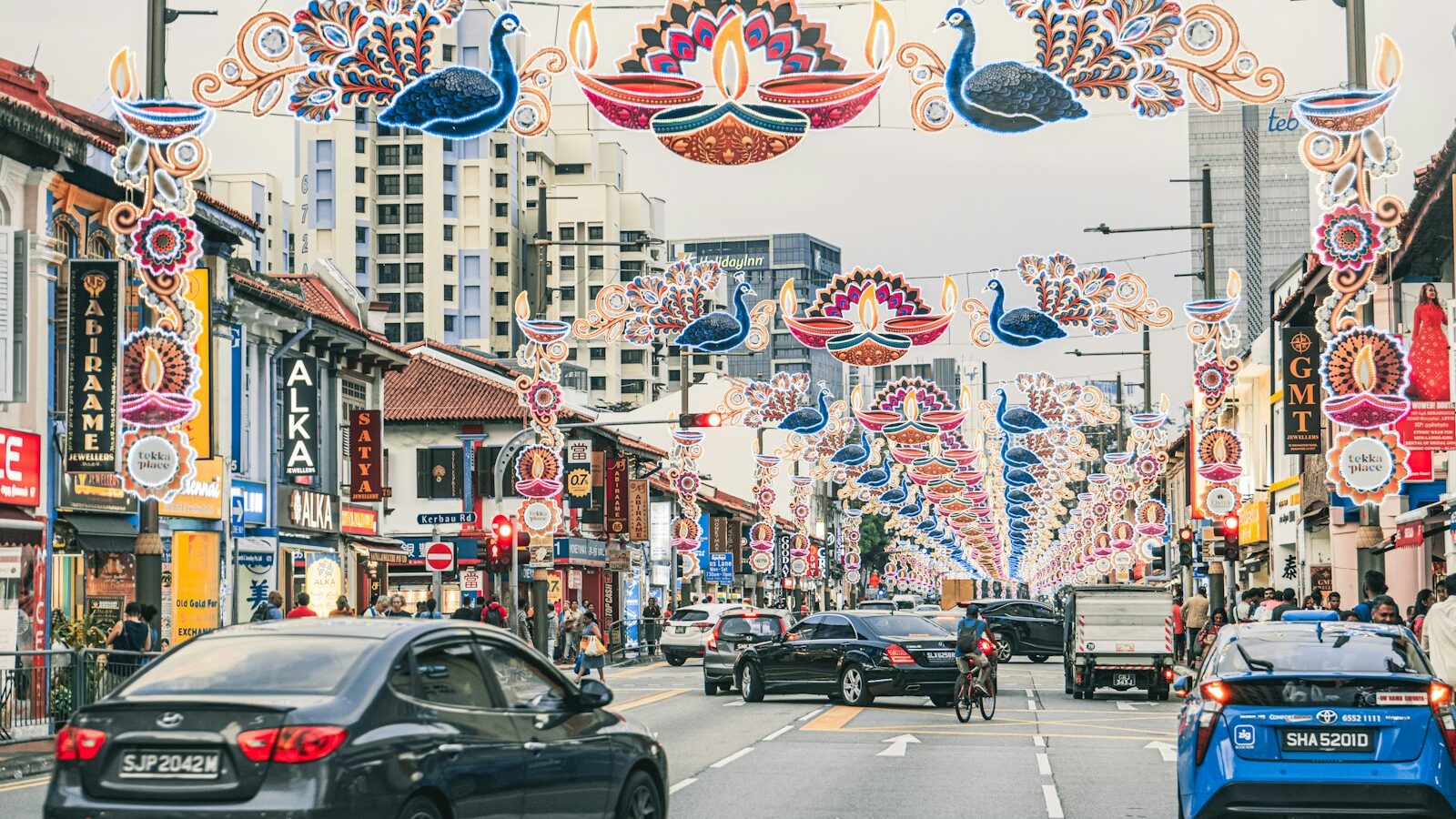
Every year, a stretch of Little India glows with thousands of lights, the air turns sweet with the smell of freshly made snacks, and homes across the island fill with visitors in bright new clothes. This is Deepavali, and if you are new to Singapore, experiencing Deepavali here is one of the warmest ways to understand the culture. Whether you are a local who wants to appreciate it more deeply or a newcomer wondering what it all means, here is what the festival celebrates and what to expect when it arrives.
What Deepavali Celebrates
Deepavali, also widely known as Diwali, is one of the most important festivals in the Hindu calendar. The name comes from a word meaning “row of lights,” which is why it is often called the festival of lights. At its heart, Deepavali marks the triumph of light over darkness and good over evil.
There is no single story behind the festival. Different communities remember different tales, from the return of Lord Rama after years in exile to the victory of Lord Krishna over a tyrant. What ties them together is a shared idea: that light, knowledge, and goodness ultimately win out over darkness and ignorance. Lighting a lamp is both a celebration and a quiet reminder of that hope.
In Singapore, Deepavali is a public holiday, so it is a day many people, Hindu or not, have off work. The date changes each year because it follows the lunar calendar, usually falling in October or November. It is always worth checking the year’s official public holiday list so you know when to expect the festivities.
How Deepavali Is Marked in Singapore
Preparations often begin weeks ahead. Homes are cleaned from top to bottom, because the festival is also about welcoming freshness and good fortune. Once the day arrives, several traditions come to life.
- Oil lamps and lights. Small oil lamps, sometimes called diyas, are lit around the home. Many families also decorate with fairy lights and candles, carrying the theme of light right through the celebration.
- Rangoli and kolam. Colourful patterns made from coloured powder, rice, or flower petals are laid out at entrances to welcome guests and invite good luck. These designs, known as rangoli or kolam, can be simple or beautifully intricate.
- New clothes. Wearing new clothes is part of the fresh start Deepavali represents. You will see plenty of vibrant colours, and many families dress in traditional Indian outfits for the occasion.
- Sweets and snacks. Homes fill with trays of sweets and savoury treats. Sharing them with visitors is a big part of the day.
- Prayers and temple visits. Many families begin the day with prayers at home or a visit to the temple, offering thanks and blessings.
- Family visits. Much of the day is spent visiting relatives and friends, catching up over food, and exchanging good wishes.
Deepavali is as much about togetherness as it is about lights. The lamps set the mood, but the real warmth comes from open homes and shared meals.
Little India Comes Alive
If there is one place to feel the spirit of the season, it is Little India. In the weeks leading up to the festival, the Little India Deepavali light-up transforms the main roads with elaborate arches, glowing motifs, and streets that shine well into the night. It is free to walk through and genuinely worth an evening.
Alongside the lights, a festive bazaar sets up in the area. Stalls overflow with garlands of flowers, oil lamps, decorative items, colourful fabrics, jewellery, and mountains of festive snacks and sweets. It gets lively and crowded, especially in the evenings and on weekends, so go with a relaxed pace and comfortable shoes.
Making the most of a visit
- Go on a weekday evening if you prefer smaller crowds.
- Take public transport, as parking near Little India is limited during the season.
- Bring a little cash for snacks and small purchases, as some stalls prefer it.
- Give yourself time to wander the side streets, where the atmosphere is often at its best.
How Newcomers Can Join In Respectfully
You do not need to be Hindu to appreciate Deepavali, and the festival is genuinely welcoming to visitors. A little awareness goes a long way toward enjoying it thoughtfully.
Quick tips for first-timers:
- Feel free to explore Little India. The light-up and bazaar are public and meant to be enjoyed by everyone.
- Dress comfortably and modestly if you plan to visit a temple, and remove your shoes before entering, as is the custom.
- Ask before photographing people, especially inside temples or during prayers. Most are happy to share, but it is polite to check.
- If a colleague or friend invites you to their home, it is a lovely gesture to accept. Bringing a small gift of sweets or fruit is a thoughtful touch.
- Learn a simple greeting. Saying “Happy Deepavali” is always appreciated and warmly received.
The best way in is often through the people you already know. If someone wishes you a happy Deepavali or offers you a snack, take it as the friendly invitation it is.
A Festival Worth Experiencing
Deepavali in Singapore is a reminder of how much the island’s cultures live side by side and share their celebrations openly. The lights of Little India, the sweets passed between neighbours, and the sense of a fresh, hopeful start all make it a special time of year. Whether you come for the glowing streets or an invitation to a friend’s home, you will leave with a warmer understanding of the festival of lights and the community that keeps it shining.
Explore more: A guide to Singapore’s festivals and Singapore’s ethnic enclaves.