
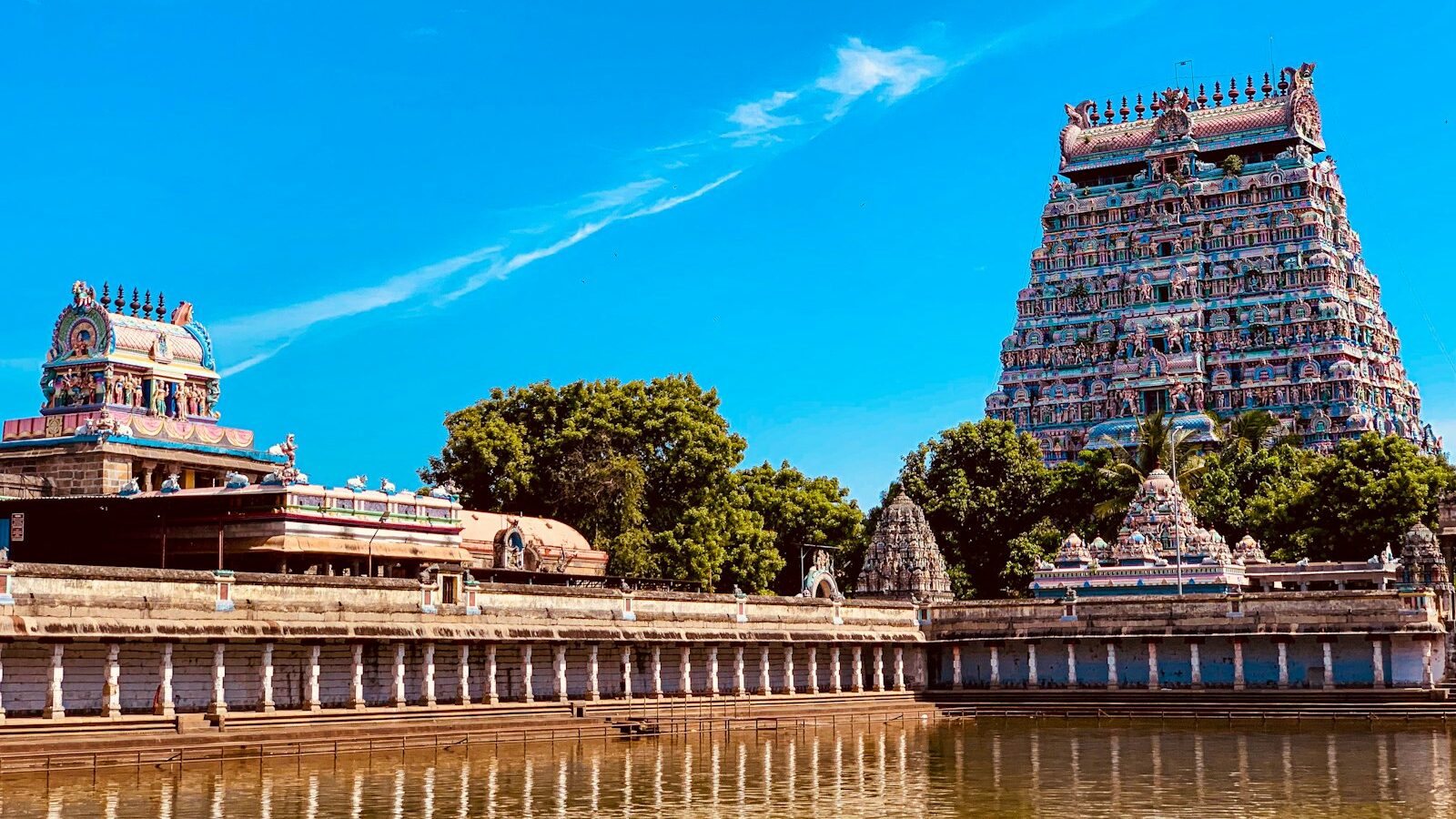
Hindu temples are among Singapore’s most striking and colourful places of worship, reflecting the rich heritage of Hinduism among the community. This guide explores Hindu temples in Singapore, their significance, architecture, worship and festivals, and how to visit respectfully.
Heritage and significance
Hindu temples have long been central to the religious and cultural life of Singapore’s Hindu community, serving as places of worship, community gathering and the preservation of tradition. Reflecting the enduring presence and heritage of Hinduism, they range from historic, iconic temples to those serving local communities. Historically, temples were focal points for the community, offering spiritual solace, connection and cultural continuity, and they continue to play this vital role today. As active places of worship and living heritage, and as striking architectural landmarks, the temples embody the community’s faith and traditions. Understanding their significance illuminates an important dimension of the Hindu community’s spiritual life and of Singapore’s religious diversity and rich multicultural heritage.
Striking architecture
| Feature | Significance |
|---|---|
| Gopuram (tower) | Ornate, colourful entrance towers |
| Sculptures | Intricate depictions of deities and figures |
| Vivid colours | Striking, symbolic decoration |
| Sacred spaces | Sanctums and altars for worship |
Hindu temples are renowned for their striking, ornate and colourful architecture, among the most visually distinctive religious buildings in Singapore. Many feature a gopuram, an elaborate, towering entrance gateway adorned with intricate, colourful sculptures depicting deities and figures from Hindu tradition. The vivid colours, detailed carvings and rich symbolism make these temples visually spectacular and full of meaning. Inside, sacred sanctums and altars house the deities that are venerated in worship. The architecture reflects deep religious symbolism, artistic heritage and craftsmanship. The beauty and vibrancy of Hindu temple architecture make them landmarks and treasures of Singapore’s built and cultural heritage. Appreciating this architecture and its symbolism enriches a visit and reveals the artistry and devotion embodied in these sacred spaces.
Worship and practices
Worship at Hindu temples is rich with ritual, devotion and tradition. Devotees venerate deities, offer prayers and offerings, and participate in rituals and ceremonies performed at the temple. Practices may include making offerings, receiving blessings, and observing devotional customs, all rooted in Hindu belief and tradition. Priests perform important rituals, and the temple is a place of prayer, blessing and spiritual connection. The practices reflect the community’s faith, devotion and rich religious heritage. Understanding these practices offers insight into the beliefs and customs that animate the temples and the spiritual life of the community. The rituals and devotions, passed down through generations, keep ancient traditions vibrant and meaningful in contemporary Singapore.
Festivals and celebrations
Hindu temples come alive during festivals, which are vibrant, colourful and deeply meaningful expressions of faith and tradition. Deepavali, the festival of lights, is the most widely known, but the Hindu calendar features various significant festivals and observances, each with its own rituals, celebrations and significance. During these occasions, temples are especially vibrant, with devotees gathering for prayers, offerings, rituals and festivities, and some festivals involve striking processions and observances. These celebrations reflect the community’s devotion and rich traditions, and they are colourful, moving expressions of faith. Experiencing a temple or festival occasion offers a vivid window into living heritage and communal devotion, and into the vibrant religious and cultural life of the Hindu community in Singapore.
Visiting respectfully
Visitors are often welcome at Hindu temples, but respectful conduct is important. Dressing modestly, removing shoes before entering, behaving quietly and considerately, and being mindful of worshippers and rituals are expected. Observe any guidelines regarding photography, offerings or restricted areas, and avoid disturbing those in prayer or ceremonies. Approaching the temple with respect, humility and curiosity enhances the experience and honours the sacredness of the space. Temples are active places of worship and living heritage, not merely attractions, so thoughtful conduct is essential. Visiting respectfully offers a rewarding opportunity to appreciate the striking architecture, colourful rituals and spiritual life of the community, and to gain insight into an important and vibrant part of Singapore’s religious and cultural heritage.
The takeaway
Hindu temples are among Singapore’s most striking and colourful places of worship, reflecting the rich heritage of Hinduism and serving as centres of worship, community and living tradition. Their spectacular architecture, from ornate gopurams to intricate sculptures and vivid colours, makes them landmarks and treasures of the nation’s heritage. Rich rituals, devotions and vibrant festivals animate the temples, reflecting the community’s deep faith and traditions. Understanding the worship, practices and festivals offers insight into the community’s spiritual life. Visiting respectfully, with humility and curiosity, allows appreciation of these vibrant sacred spaces. Hindu temples are a colourful, meaningful and enduring part of Singapore’s religious diversity and multicultural heritage.
Planning your visit: practical pointers
A little preparation makes a temple visit smoother and more meaningful, especially if it is your first time. Most temples are open daily, though many close for a few hours in the middle of the day and reopen in the evening, so it is worth confirming the specific hours before you set out. Mornings and early evenings often coincide with prayer sessions, when you may witness rituals such as the waving of lamps and the ringing of bells, which can be a moving experience for observers who watch quietly from a respectful distance.
- Timing your visit: Prayer times and festival days draw larger crowds, so a quieter weekday visit is often better for a first, unhurried look around.
- What to wear: Choose modest clothing that covers the shoulders and knees, and pick footwear that is easy to slip off, since you will remove your shoes before entering.
- Shoes and belongings: Temples usually provide a shelf or rack near the entrance for footwear, so keep valuables with you and travel light.
- Offerings and prasad: You are not obliged to make an offering, but you may be offered blessed food, known as prasad, or sacred ash; accept it graciously with your right hand if you wish.
- Getting there: Many well known temples sit within walking distance of MRT stations, particularly around Little India, making public transport a convenient option.
For opening hours, festival dates and any special observances, it is best to check the individual temple’s own announcements, as timings can shift around religious occasions.
Common questions from first-time visitors
Newcomers often hesitate at the entrance, unsure of what is welcome and what is not. The good news is that most temples are used to receiving respectful visitors of all backgrounds, and a few simple answers can settle the most common worries.
- Can non-Hindus enter? Generally yes. Visitors are usually welcome to observe quietly, provided they follow the temple’s guidelines and dress code.
- Is photography allowed? It varies. Some inner sanctums prohibit photos entirely, so look for signage or simply ask an attendant before taking any pictures.
- Do I need to do anything in particular? No specific ritual is required of visitors. Standing quietly, keeping your voice low and switching your phone to silent are enough to show respect.
- Should I give a donation? Donations are appreciated but never compulsory, and most temples have a collection box if you would like to contribute.
- Where can I learn more? Community and heritage organisations often run guided walks and talks, which are a wonderful way to understand the traditions behind what you are seeing.
Approached with a little curiosity and courtesy, a visit to a Hindu temple can be one of the most rewarding cultural experiences Singapore has to offer.
Explore more: Little India heritage guide · Indian customs and traditions · Deepavali in Singapore