
Few places capture Singapore’s transformation as vividly as the west. Within living memory, Jurong was a landscape of mangrove, rivers, and plantation, thinly settled and far from the city. Then it became the launch pad for the country’s industrialisation, the bold experiment that helped a young nation find its economic footing. Tracing Jurong heritage in Singapore means following one of the most dramatic then-and-now stories on the island, from swamp to smokestacks to a green lakeside district. This guide sets out how it happened and what remains to explore.
The land before the factories
For most of its history, the Jurong area in western Singapore was rural and remote. Rivers wound through mangrove and swamp, and the higher ground carried plantations and villages. Access was poor, the terrain was low-lying, and the district sat well outside the busy port town to the east. In colonial-era Singapore, Jurong was a place you passed through or farmed, not a place of industry.
That very emptiness became its advantage. When newly self-governing Singapore looked for somewhere to build large factories in the years around independence, it needed land, room to expand, and a coastline for shipping. The west offered all three. The decision to industrialise Jurong was a gamble on the country’s future, and it required reshaping the land itself, levelling hills, reclaiming swamp, and laying out roads, drainage, and utilities on a scale the island had not seen.
Building the first great industrial estate
The transformation of Jurong into an industrial estate is one of the defining projects of modern Singapore. Factories rose where plantations had stood, a port was developed to serve them, and worker housing and amenities followed so that people could live near their jobs. To plan, build, and manage the sprawling estate, the government established the Jurong Town Corporation (JTC), which became the steward of industrial land across the island.
The early years were not guaranteed to succeed. Convincing manufacturers to set up in what had been swamp took vision and persistence, and the estate’s first factories were watched closely as a test of the whole industrial strategy. Over time the gamble paid off. Jurong drew shipyards, refineries, and a wide range of manufacturing, and the west became the engine room of the economy. For the specific dates, agencies, and milestones of this story, the National Heritage Board (roots.gov.sg) and JTC’s own histories are the authoritative sources.
Crucially, the planners did not build only factories. They set aside space for greenery and recreation, understanding that an industrial town still needed places to breathe. That instinct shaped the district’s softer side, the gardens, parks, and lake that balance the heavy industry further west.
From industry to lakeside district
If the first act of Jurong’s story was industrial, the later chapters added leisure, learning, and green space. Around Jurong Lake, gardens and parkland were created, giving western Singapore a freshwater landscape for families and joggers. Attractions were developed to draw visitors out to a part of the island many had once ignored.
| Era | What Jurong was | Defining features |
|---|---|---|
| Before industrialisation | Rural swamp, rivers, plantations | Mangrove, villages, poor access |
| Industrial launch | The nation’s first major industrial estate | Factories, port, JTC, worker housing |
| Later decades | Industry plus leisure and greenery | Jurong Lake gardens, parks, attractions |
| Today | Mixed western hub with a growing centre | Lake district, transport links, redevelopment plans |
Jurong also became known for family attractions over the decades, including the bird park that drew generations of visitors before its move, and the lakeside gardens that give the district its green identity. Because specific attractions open, close, and relocate over time, check current listings and hours on the official websites before planning a visit.
More recently, the west has been earmarked for major redevelopment as a second commercial centre for Singapore, with plans centred on the Jurong Lake District. The URA is the authority on these plans, and its materials are the place to follow how the area will grow.
What Jurong heritage means
Jurong’s significance is not in old shophouses or temples, though the wider west has its share of village and religious heritage. Its significance is in what it represents: the moment Singapore bet on manufacturing and remade an entire region to make it happen. The district is a monument to nation-building through planning and hard engineering, a reminder that much of modern Singapore was quite literally reshaped from swamp and hill.
Understanding Jurong helps make sense of the whole country’s economic rise. The estate proved that careful state planning, foreign investment, and a willing workforce could turn an unpromising landscape into a livelihood for hundreds of thousands. That confidence, first tested in the west, went on to shape estates and new towns across the island.
Visiting the west
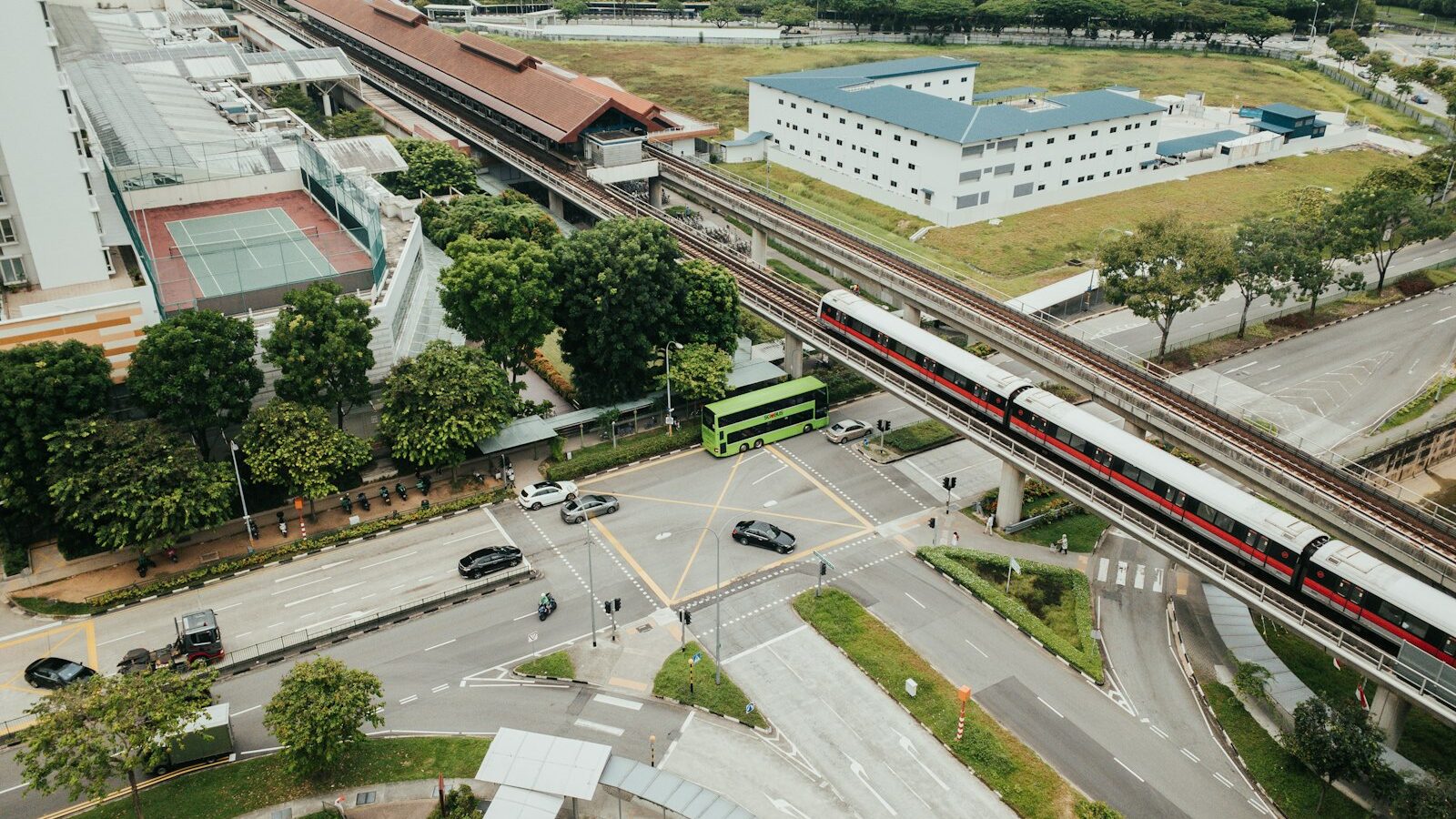
Getting to Jurong is easy on the East-West Line and the North-South Line, which meet at the busy interchange around Jurong East, with buses fanning out to the lake, gardens, and residential areas. The area around the interchange has become a lively regional centre with malls, offices, and transport links, a world away from the swamp that once covered the ground.
A heritage-minded day out might centre on the Jurong Lake area for its gardens and water, combined with whatever attractions are currently open nearby. For those interested in the industrial story itself, the sheer scale of the western estates, best appreciated from public roads and transport, tells its own tale of ambition. Bring water and sun protection, as the west can be warm and open, and confirm opening hours for gardens and attractions on their official pages before you travel.
Jurong is proof that heritage is not only about what is old. Sometimes the most important story a place can tell is how completely, and how deliberately, it was transformed.
Explore more
For another study in dramatic change, read our Punggol history and transformation guide, which follows a rural coast turning into a modern waterfront town. To see how the maritime north grew up around a very different kind of industry, visit the Sembawang heritage guide, and for the pioneering model of Singapore’s planned towns, explore our Queenstown heritage guide.