
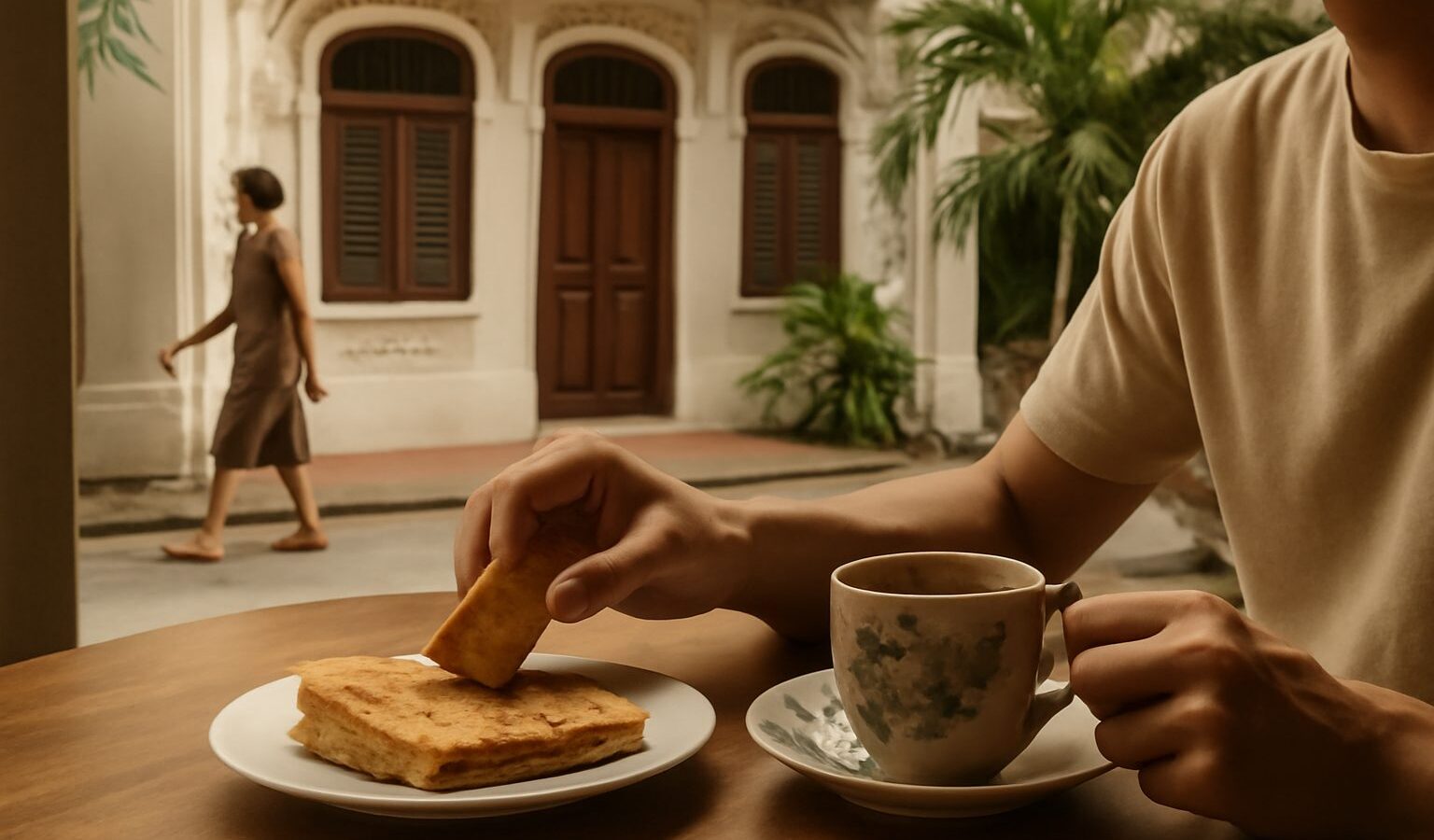
In the east of Singapore, where quiet landed estates give way to the breezy openness of East Coast Park, lies Siglap, an old neighbourhood with a long and gentle history. Once a seaside village, it grew into one of the city’s most characterful residential districts, its streets shaded by mature trees and lined with homes of every era. Siglap heritage is the story of a coast that has moved, of communities that made a home here, and of everyday life carried on through great change. This guide introduces the district and the wider Upper East Coast to a curious newcomer, pointing to real, well established places and describing them in general terms so you can explore for yourself.
From Seaside Kampong to Suburb
Long before the expressways and the park, Siglap was a coastal Malay village, a kampong set close to the sea, with fishing, farming and small trades supporting daily life. The exact origin of the name “Siglap” is debated, and several folk explanations have been passed down over the years, which is part of its charm. What is clear is that this was a long settled part of the eastern coast, home to Malay, Eurasian, Chinese and other families who gave the area its easy, mixed character.
As Singapore grew, the kampong slowly gave way to a suburb of landed homes and low rise living, yet the district kept a village like warmth. Even today, Siglap feels less like a planned estate and more like a place that grew naturally, with a well known cluster of eateries and coffee shops at its heart where longtime residents still gather.
The Coast That Moved
One of the most striking facts about the Upper East Coast is that the sea used to be much closer. Before the large land reclamation projects of the 1960s and 1970s, the shoreline ran far inland of where it does now, and areas that are today parkland and housing were once beach or open water. The reclaimed land became East Coast Park and the newer estates behind it, reshaping the whole eastern edge of the island.
For older residents, this is living memory. Roads that now sit well back from the water once looked out over the sea, and families recall swimming and picnicking where the coastline used to be. Understanding this reclamation is the key to reading the district. When you walk from the older inland streets down toward East Coast Park, you are quite literally walking from the old coast onto ground that the sea once covered.
Leafy Estates and Operatic Streets
Behind the main roads, the Upper East Coast is a patchwork of much loved landed housing estates that grew through the mid twentieth century. The most charming quirk belongs to Opera Estate, where many streets are named after operas and operatic themes, a whimsical touch that residents have grown fond of. Neighbouring estates such as Frankel and Siglap add their own leafy, unhurried character, with a mix of older bungalows and newer homes side by side.
These estates are prized for their greenery, their quiet lanes and their strong sense of community. They are not grand heritage monuments so much as living neighbourhoods, places where the heritage is in the trees, the street names, the corner shops and the families who have stayed for generations.
Here is a quick orientation to the heritage layers you can experience around Siglap and the Upper East Coast.
| Heritage layer | What you can experience | Character |
|---|---|---|
| Kampong roots | Old village site and mixed community story | Gentle, historic, multiracial |
| The moved coast | Walk from old shore to reclaimed East Coast Park | Surprising, revealing |
| Landed estates | Opera Estate street names, leafy Frankel and Siglap lanes | Quiet, characterful, green |
| Food heritage | Long standing eateries and coffee shops | Warm, everyday, beloved |
| Eastern culture | Nearby Peranakan and Eurasian heritage of the east | Colourful, layered |
A Place to Eat and Gather
If Siglap has a beating heart, it is around its food. The district and the wider east are famous across Singapore for eating, from old coffee shops and bakeries to a deep tradition of Peranakan and Eurasian cooking in the neighbouring Katong and Joo Chiat areas. This food heritage is inseparable from the district’s identity. Meals here are social occasions, and many families have their regular spot, unchanged for decades.
The east’s culinary culture reflects its mixed communities: Malay, Chinese, Eurasian, Peranakan and more, each adding to the table. For a newcomer, wandering the old eateries with an open appetite is one of the friendliest ways to understand the neighbourhood. To sharpen your eye for the smaller everyday details along the way, our guides to old provision shops and mama shops and traditional Chinese medicine shops in Singapore are good companions.
Exploring Siglap and the Upper East Coast Today
The pleasure of this district is that it rewards a slow, unhurried visit rather than a rushed tick list. A gentle plan might combine a wander through the leafy estates, a meal at a long standing eatery, and a walk down to East Coast Park to feel the sea breeze on reclaimed ground. A few friendly pointers:
- Walk the estates on foot to appreciate the trees, the quiet lanes and the operatic street names.
- Eat where the locals eat, choosing the old coffee shops and family run spots.
- Trace the old coastline by walking from the inland streets down toward the park.
- Explore the wider east, as Katong and Joo Chiat’s Peranakan heritage sit close by.
The eastern districts share many threads with the rest of Singapore’s heritage. If you enjoy neighbourhood guides, our companion pieces on Bukit Timah heritage and Pasir Panjang heritage explore other corners of the island with their own distinct stories.
Siglap and the Upper East Coast may not announce their history with grand monuments, but the past is everywhere once you know how to look for it, in a moved coastline, a village name of uncertain origin, a street named for an opera, and a plate of food a family has eaten for fifty years. Come with time and an easy pace, and the district’s quiet heritage will unfold around you.