
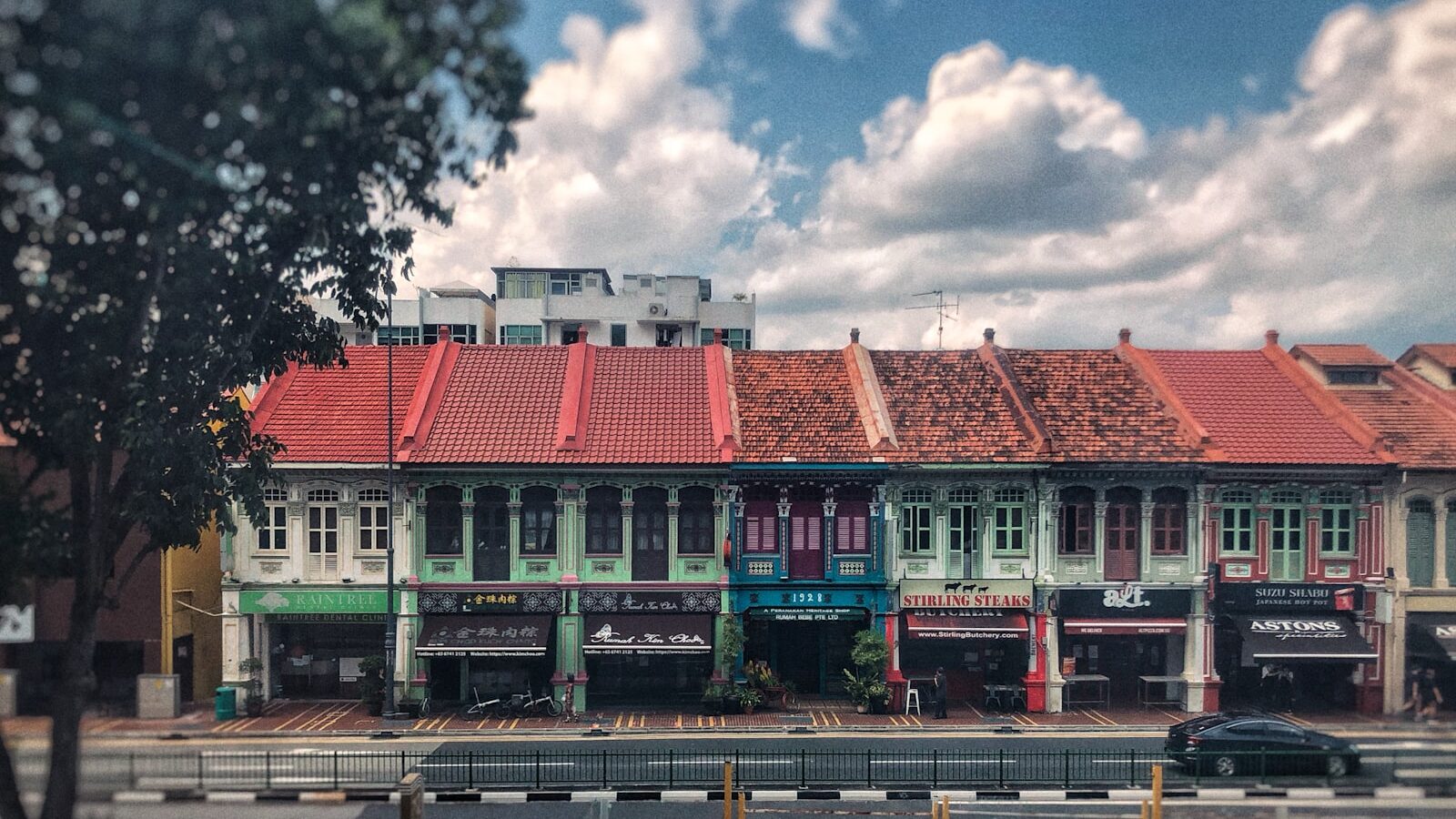
Welcome to this Katong guide, a look at one of Singapore’s most characterful corners in the east of the island. Katong and its neighbour Joo Chiat sit just inland from the coast, and together they form a district known for Peranakan heritage, rows of colourful shophouses, and a food scene that locals will happily travel across the city for. If you want a sense of old Singapore that still feels lived in rather than staged, this is a lovely place to start.
The two names are often said in one breath, and the area blends into a single stretch of low-rise streets, cafes, and terrace houses. It is close to East Coast Park, well served by public transport, and increasingly popular with families and young professionals who want a bit of history and calm without giving up city convenience.
The character of Katong and Joo Chiat
Last checked: August 2026. Outlets and details change, so please confirm directly before you visit.
Katong grew up as a seaside district in the early twentieth century, back when the coastline sat much closer than it does today. Wealthy families built holiday villas here, and a strong Peranakan and Eurasian community put down roots. That mix still shapes the feel of the place. You will notice it in the architecture, in the food, and in the unhurried pace along the smaller lanes.
Peranakan culture is the thread that ties much of it together. The Peranakans, sometimes called Straits Chinese, descend from early Chinese settlers who married into local communities, creating a distinct blend of language, dress, and cooking. Peranakan Singapore is celebrated across the country, but Katong and Joo Chiat are regularly cited as one of the places to see it woven into daily life rather than kept behind glass.
If you only have an hour here, walk slowly. The charm of Katong and Joo Chiat is in the details: a tiled doorstep, a carved shutter, a shopfront that has not changed in decades.
What Katong and Joo Chiat are known for
Peranakan shophouses and terrace houses
The visual signature of the area is its shophouses and terrace houses, many painted in soft pastels and decorated with ornate ceramic tiles, plaster motifs, and shuttered windows. A frequently cited stretch is around Koon Seng Road, where a row of restored Peranakan terrace houses shows off the style at its most photogenic. These are private homes, so admire them from the street and keep noise down, but they are well worth the short detour.
Katong food and Katong laksa
Katong food is a destination in its own right. The dish most closely tied to the area is Katong laksa, a rich, coconut-based noodle soup traditionally served with the noodles cut short so you can eat the whole bowl with a spoon. Several long-running stalls in the area lay claim to the original recipe, and part of the fun is trying more than one and deciding which you prefer.
Beyond laksa, the district is a strong all-rounder for eating. You will find Peranakan restaurants serving dishes such as ayam buah keluak and babi pongteh, traditional bakeries, kaya toast and coffee spots, and a steady supply of newer cafes. A simple approach:
- Start with a bowl of Katong laksa for lunch.
- Save room for a Peranakan set dinner if you can.
- Pick up kueh, the colourful bite-sized cakes, to take away.
- Round things off with kopi or teh at an old-style coffee shop.
Eurasian and Peranakan culture
The area’s Eurasian heritage is part of its identity too, reflected in community life and in dishes such as devil’s curry that appear on some local menus. Between the food, the festivals, and the architecture, the district gives newcomers a friendly, tangible introduction to two communities that have shaped Singapore.
i12 Katong and everyday convenience
For all its heritage, the district is not stuck in the past. The i12 Katong mall anchors the main road with the usual mix of supermarket, dining, and everyday shops, so residents have modern amenities close at hand. It is a useful landmark to orient yourself by, and a handy spot to duck into when the afternoon heat builds.
Near East Coast Park
One of the district’s quiet advantages is how close it sits to the sea. East Coast Park, the long stretch of beachfront greenery along the coast, is only a short ride or a pleasant cycle away. It is a favourite for weekend picnics, jogging, cycling, and seafood by the water, and having it nearby is a big part of the appeal of living in Katong.
Getting there and getting around
Access to the area has become much easier with the Thomson-East Coast Line. Marine Parade MRT sits close to the heart of Katong, putting the district within a straightforward train ride of the city centre and the rest of the network. Buses have long served the main roads well, and the flat, walkable streets make it easy to explore on foot once you arrive.
As a rough guide for visitors, a train ride from town takes only a short while, and the area is compact enough that you can cover the main sights in an afternoon without needing to hop on transport between them.
Quick tips for a first visit
- Come hungry, and plan your day around at least two meals.
- Wear comfortable shoes for walking the shophouse lanes.
- Visit Koon Seng Road for the classic Peranakan house photos, and be respectful of residents.
- Use Marine Parade MRT as your arrival and departure point.
- Leave time to reach East Coast Park if the weather is kind.
Living in Katong
Living in Katong suits people who want character and a sense of community while staying connected to the wider city. It tends to appeal to families drawn by the low-rise streets and nearby parks, to professionals who like the cafes and the food, and to anyone who prefers a neighbourhood with a story over a brand-new district.
Housing here is varied. You will find older walk-up apartments, a range of condominiums, and the sought-after conservation terrace houses, alongside pockets of public housing in the surrounding estates. Because heritage homes and central location are both in the mix, the area sits at the pricier end of the rental market rather than the budget end. Treat any figure as a rough guide only, since rents move with the wider market, and compare a few options before committing.
A few things to weigh up before settling in:
- Charm often comes with age, so check the condition of older buildings carefully.
- Weekend crowds gather around the popular food streets, which is lovely but can be busy.
- Parking on the smaller lanes can be tight, so factor that in if you drive.
- The trade-off for heritage and location is usually cost, so set your budget early.
If those points sit well with you, few districts offer the same blend of food, history, greenery, and easy transport in one walkable package.
Making the most of the area
Whether you are visiting for a day or thinking about moving in, a good way to enjoy Katong and Joo Chiat is unhurried. Wander the lanes, follow your nose to the next meal, and let the district reveal itself street by street. It rewards curiosity, and it stays interesting long after the first visit.
Explore more: Best places to live in Singapore · Where to live in Singapore · Must-try hawker food in Singapore