
If you have ever seen a photo of a pet sugar glider, a bearded dragon or a tiny hedgehog and wondered whether you could keep one here, this guide is for you. The honest answer for exotic pets in Singapore is that most of them are simply not allowed. Singapore tightly restricts which animals may be kept as pets, and many of the creatures marketed online as cute or low maintenance exotics are illegal to own. Before you fall in love with an animal or hand over any money, it is worth understanding what the rules are, why they exist, and how to keep yourself on the right side of the law while protecting the animals themselves.
The short version: only a limited list of species is allowed as pets here, and if an animal is not clearly on that approved list, you should assume it is not legal to keep until you have checked with the authorities.
What Counts as an Exotic Pet, and Who Decides
An exotic pet is usually taken to mean anything outside the familiar range of dogs, cats, and a handful of small animals, fish and birds that are permitted. In practice that covers most reptiles, many amphibians, small exotic mammals, and any native or foreign wildlife.
The body that decides and enforces this is the Animal and Veterinary Service (AVS), which sits under the National Parks Board (NParks). AVS oversees animal welfare, pet licensing, imports and the species that may be kept, working within the framework of the law, including the Animals and Birds Act and Singapore’s wildlife legislation. Rather than working from a long list of what is banned, it is easier to think of it the other way around: a defined set of species is allowed, and everything else is not. Because these rules are updated from time to time, the only reliable source for what is currently permitted is AVS itself. Always check the current approved-species list on the AVS or NParks website before considering any animal, and never rely on a seller’s word or an old forum post.
Why So Many Exotics Are Off Limits
The restrictions can feel strict, but each of them exists for a serious reason. Understanding the why makes it easier to accept the what.
- Animal welfare. Many exotic species have highly specific needs for temperature, humidity, diet, space and social contact that are extremely hard to meet in a home, let alone an HDB flat in a tropical city. Animals that are wrong for captivity often suffer quietly for years.
- Biosecurity. Non-native animals can carry pests and pathogens that threaten local agriculture, other animals and people. Controlling what enters and is kept helps protect the whole community.
- Conservation. Demand for exotic pets fuels the removal of animals from the wild, pushing already vulnerable species closer to extinction. Keeping demand low here protects wildlife far beyond our shores.
- Public safety and ecology. Released or escaped exotics can become invasive, outcompeting native species and upsetting fragile local ecosystems. Some animals also pose direct safety or disease risks.
- Disease. Several exotic species can carry illnesses transmissible to humans, which is a real public health concern in a dense city.
None of this is about spoiling anyone’s fun. It is about preventing suffering, protecting Singapore’s biodiversity, and keeping people safe.
The Illegal Wildlife Trade and Why It Causes Harm
Behind many illegal exotic pets is a cruel and often hidden supply chain. The illegal wildlife trade removes animals from their natural habitats, transports them in appalling conditions, and loses a heartbreaking number of them along the way. The animals that survive frequently arrive stressed, sick or injured. Every purchase, even a well meaning one, creates demand that keeps this trade alive and drives further poaching.
This is the core reason we strongly discourage keeping wild or illegal animals. It is not only a legal risk to you; it directly contributes to animal cruelty and to the decline of species that cannot afford to lose more members. Choosing not to buy is one of the most powerful things an individual can do to help. If you love animals, the kindest choice is to leave wild ones in the wild and to give a home to one of the many local pets that genuinely need one.
Penalties, and What to Do If You See Illegal Sales
Keeping, importing or selling prohibited animals is against the law, and penalties apply under the relevant legislation. We are deliberately not quoting specific figures here, because the exact penalties can change and only the authorities can confirm what applies in a given case. If you want to know the current legal-species list and the penalties for breaches, check directly with AVS, which is the definitive source.
If you come across exotic or wild animals being sold, whether at a shop, a market or online, you can help by reporting it:
- Report suspected illegal wildlife sales or illegally kept animals to AVS through the NParks contact channels.
- You can also alert ACRES (the Animal Concerns Research and Education Society), a local wildlife charity that responds to wildlife crime and rescues animals in distress.
- Note down details such as the platform or location, listing information and any photos, without putting yourself at risk, so the authorities have something to act on.
Reporting is not about getting anyone into trouble for its own sake. It is about stopping cruelty and protecting animals that have no voice of their own.
A Quick Check Before You Consider Any Animal
Use the table below as a starting point only. It is not a legal ruling, and the position on any species can change, so the golden rule remains the same: confirm the current status with AVS before doing anything. When an animal is popular online but not clearly approved here, treat that as a warning sign.
| Commonly asked-about animal | Generally kept as a pet here? | What to do |
|---|---|---|
| Dogs and cats | Yes, with licensing and HDB rules | Check AVS and HDB requirements before getting one |
| Common ornamental fish | Generally yes | Confirm the specific species is permitted with AVS |
| Red-eared sliders and many terrapins | Restricted, only certain species allowed | Check the current AVS list before buying or keeping |
| Most reptiles (snakes, bearded dragons, iguanas) | Generally not allowed | Do not buy; verify with AVS |
| Sugar gliders | Generally not allowed | Do not buy; verify with AVS |
| Hedgehogs | Generally not allowed | Do not buy; verify with AVS |
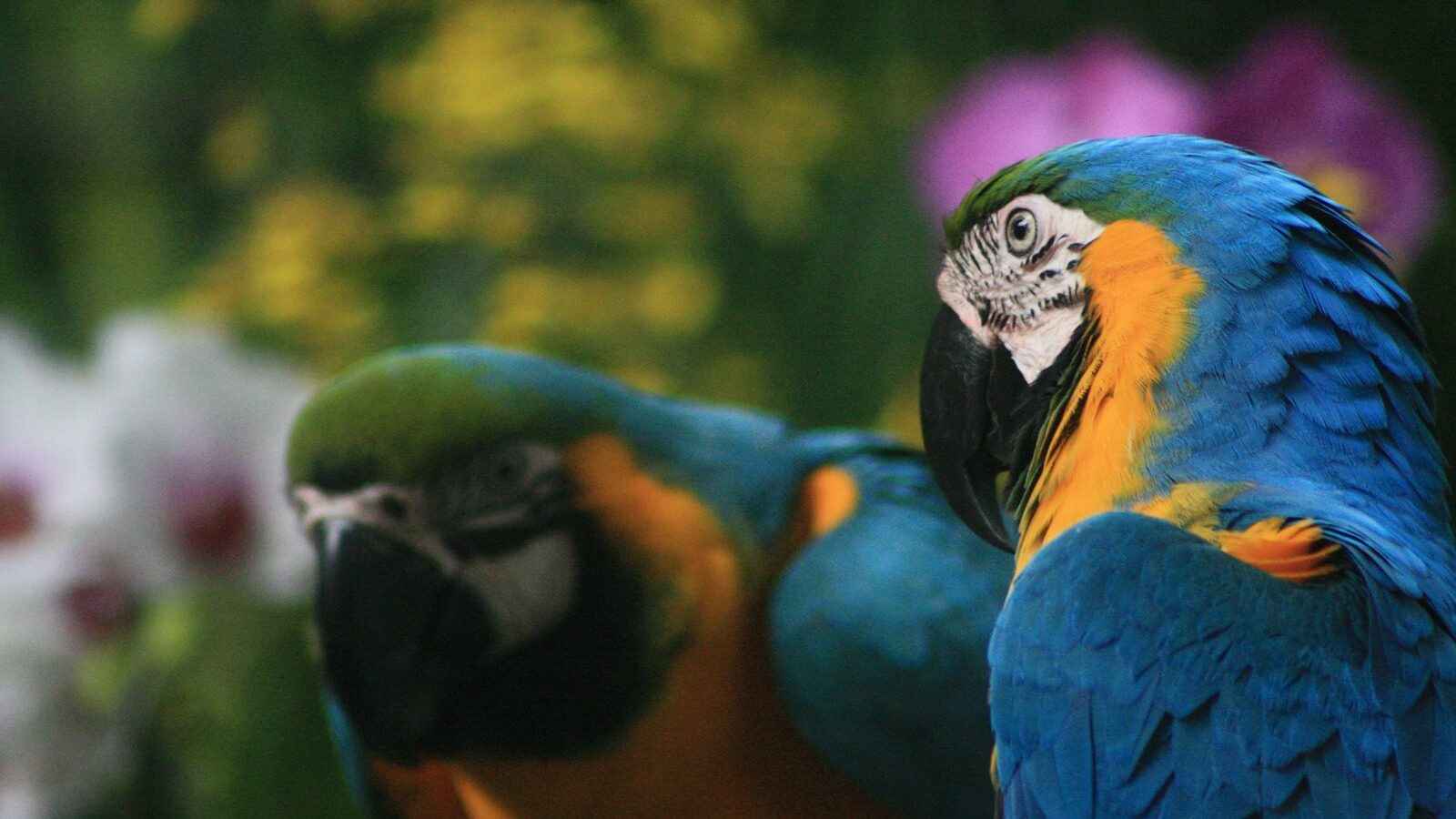
| Native and foreign wildlife (birds, primates, etc.) | Not allowed | Leave in the wild; report sales to AVS or ACRES |
Choosing Kindness Over a Trend
It is completely understandable to be fascinated by unusual animals. The most caring response to that fascination, though, is to admire them where they belong and to choose a pet that can genuinely thrive in a Singapore home. There are wonderful, welfare-friendly options available legally, and shelters here are full of animals waiting for a committed owner. If you are ever unsure whether a particular animal is allowed, do not guess and do not trust a seller who insists it is fine. Check with AVS, keep the illegal wildlife trade starved of demand, and let your love of animals show in the responsible choices you make.
Explore More
If you were drawn to reptiles, our guide to keeping turtles and terrapins in Singapore explains the narrow rules around the few species that may be kept. If it was birdsong that appealed to you, read keeping pet birds in Singapore for the legal, welfare-friendly way to enjoy them. Whatever animal you are considering, always confirm the current position with AVS before you decide.