
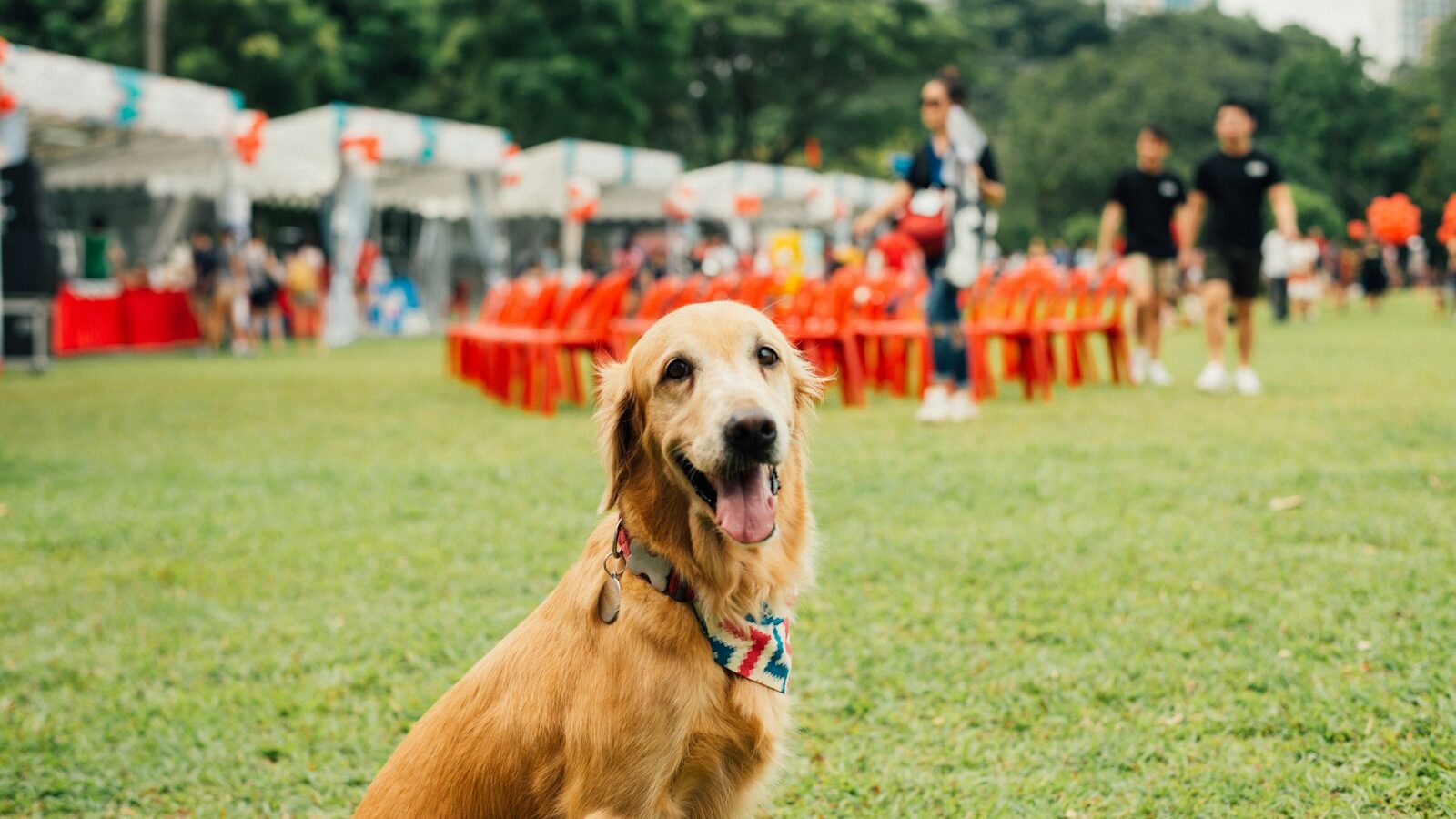
In a country that sits a hair’s breadth from the equator, water is not a minor detail of pet care. It is central to it. Keeping your pet hydrated in Singapore’s year-round heat and humidity supports everything from temperature control to kidney function, and dehydration can turn serious faster than many owners expect. Dogs and cats cannot sweat the way we do to cool off. Dogs rely mostly on panting, cats on grooming and finding shade, and both depend on having enough fluid in the tank to manage the heat at all. This guide is general information, not veterinary advice, but it will help you encourage healthy drinking, recognise trouble early, and know when a warm afternoon has tipped into an emergency.
Water does quiet, constant work: it carries nutrients, cushions joints, flushes waste through the kidneys and helps regulate body temperature. A pet who is even mildly short on fluid is working harder than it should, and in our climate the margin for error is smaller than in a temperate country.
Why Hydration Is Harder in Singapore’s Heat
The tropical climate stacks the odds against easy hydration. High temperatures and heavy humidity mean pets lose fluid steadily, and humidity in particular makes panting less effective, because a dog cools itself by evaporating moisture and there is already plenty of moisture in the air. That is why flat-faced, or brachycephalic, breeds such as pugs, French bulldogs, Shih Tzus and Persian cats struggle so much here: their short airways make panting inefficient, so they overheat and dehydrate more easily.
HDB living adds its own quirks. A flat can trap afternoon heat, a sunny balcony or a car left even briefly can become dangerously hot, and a walk on scorching pavement pulls fluid out of a dog fast. The animals most at risk of dehydration are worth naming, because they need extra watchfulness:
- Puppies and kittens, whose small bodies dry out quickly
- Senior pets and those with kidney, heart or other chronic conditions
- Flat-faced breeds and thick-coated animals
- Any pet that is vomiting, has diarrhoea, or is recovering from illness
- Active dogs walked or exercised during the hotter parts of the day
Encouraging Your Pet to Drink More
Some pets, cats especially, are naturally poor drinkers. Cats descend from desert animals and often have a low thirst drive, which means they can drift into mild dehydration without ever looking thirsty. The trick is to make water easy, appealing and always available.
Practical ways to lift water intake:
- Offer several water stations. Place clean bowls in more than one room, away from the litter tray and food, so a drink is never far away.
- Keep it fresh and cool. Change the water at least once or twice a day, and wash bowls often, as film and warmth in our climate put pets off. A stainless steel or ceramic bowl stays fresher than plastic.
- Try a pet water fountain. Many cats and some dogs drink far more from moving water, which they instinctively trust as fresher.
- Add water to meals. Stir a little warm water into dry food, or offer wet food, to sneak moisture in.
- Carry water on outings. Bring a bottle and a collapsible bowl for walks, dog runs and outings, and offer drinks in the shade during breaks.
- Make it fun for some pets. A few ice cubes to lick, or a pet-safe frozen treat, can tempt a reluctant drinker on a hot day.
Never restrict water to reduce toileting or overnight accidents. Fresh, clean water should be available at all times, and any lasting change in how much your pet drinks, up or down, is worth mentioning to your vet, as it can signal a health issue.
Wet Food, Dry Food and the Moisture Angle
Diet quietly shapes hydration, and this is where the wet versus dry question matters. Dry food, or kibble, contains very little moisture, so a pet on an all-dry diet must make up the difference by drinking. Wet food is mostly water, which gives a real hydration head start, particularly for cats and for pets who simply will not drink enough on their own.
Neither is automatically “better”, and a complete, balanced diet is the priority either way. The point is to match the food to the animal in front of you. Talk to your vet before overhauling a diet, especially for a pet with a medical condition, and remember that hydration is only one factor among several.
| Consideration | Wet food | Dry food |
|---|---|---|
| Moisture content | High, aids hydration | Low, relies on drinking |
| Good for poor drinkers | Yes, a real help | Needs extra water offered |
| Convenience and storage in the heat | Spoils fast once opened | Keeps well, easy to store |
| Dental and cost factors | Usually pricier per meal | Often cheaper, easy to portion |
| Best overall approach | Many owners mix or add water to dry | Discuss the balance with your vet |
Spotting the Signs of Dehydration
Catching dehydration early is far easier than treating a crisis. Learn what a well-hydrated pet looks like so you notice when something is off. Warning signs to watch for include:
- Tacky, dry or pale gums instead of moist, healthy pink ones
- Lethargy, dullness or an unusual reluctance to move
- Loss of appetite
- Sunken-looking eyes
- Thick, stringy drool, or heavy, laboured panting that does not ease with rest
- Reduced skin elasticity, where gently lifted skin over the shoulders is slow to spring back
A gentle skin-tent check at the scruff can be a useful clue, though it is not perfectly reliable, especially in overweight, very thin or older animals. Treat these signs as a prompt to cool your pet, offer water and, if there is any doubt, call your vet rather than wait and see.
When to See a Vet Straight Away
Mild dehydration caught early can often be eased with shade, rest and water. But dehydration alongside heat can escalate into heatstroke, which is a genuine emergency, and some situations need a licensed vet or a 24-hour emergency clinic without delay. Contact a vet immediately if your pet shows:
- Heavy, frantic panting, drooling, bright red or very pale gums, wobbliness, collapse, vomiting or seizures, which are signs of possible heatstroke
- Ongoing vomiting or diarrhoea, which strips fluid quickly
- Refusal to drink for an extended period, or clearly worsening weakness
- Dehydration in a puppy, kitten, senior or already unwell pet, who have little reserve
While arranging help for a suspected heatstroke, move your pet to shade or air-conditioning, offer small sips of cool, not ice-cold, water, and wet the coat with cool water. Do not force water into the mouth of a collapsed animal, and do not use freezing water, as a too-rapid drop in temperature carries its own risks. These are stopgaps on the way to the clinic, not a replacement for veterinary care, and rehydration in a sick pet may need fluids that only a vet can give.
Hydration is one of the simplest, most powerful things you control as an owner. Fresh water in easy reach, food that suits your pet, walks timed away from the fierce midday sun, and a sharp eye for the early warning signs will carry your dog or cat comfortably through Singapore’s endless summer, and keep a hot day from ever becoming a dangerous one.