
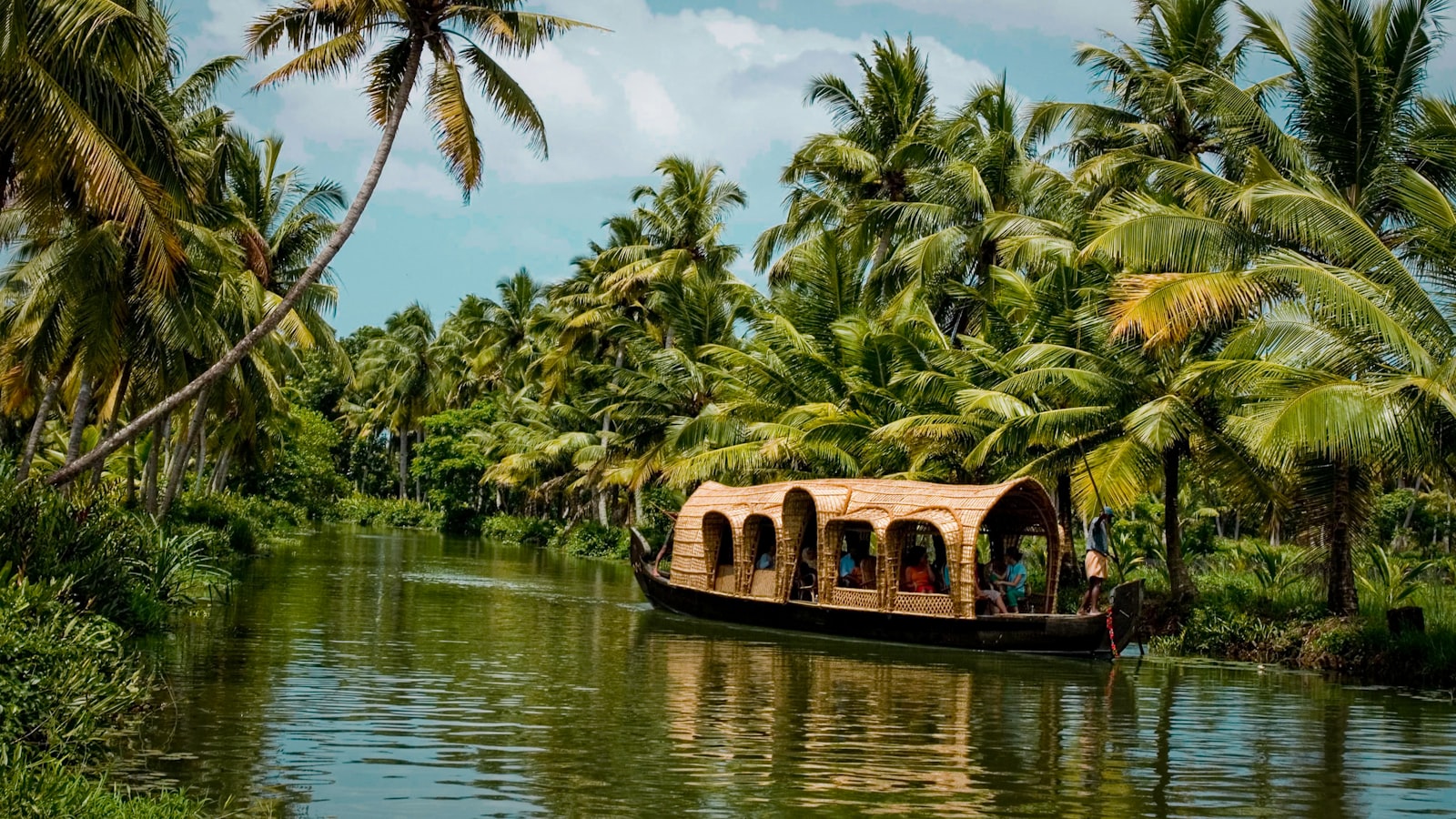
Palm lined canals, mist wrapped tea hills, spice gardens, and a gentle, unhurried pace: Kerala, marketed as God’s Own Country, is one of India’s most soothing and scenic corners. For Singaporeans who want the richness of India without the intensity of its big cities, this lush southern state offers backwater cruises, Ayurvedic wellness, beaches, and green highlands. Planning a trip to Kerala from Singapore usually means a short connection, but the reward is a slower, greener side of the country. Here is everything you need to plan.
Getting to Kerala From Singapore
Kerala has several airports, with the main international gateways at Kochi (Cochin), Thiruvananthapuram, and Kozhikode. Direct flights from Singapore operate on some routes, and there are also plenty of one stop connections through Indian hubs such as Chennai or Bengaluru, or via Kuala Lumpur. Direct services run around four and a half to five hours, while connecting itineraries take longer, so compare options and total travel time before booking.
India runs two and a half hours behind Singapore, so there is minimal time difference to manage. Kochi is a popular arrival point and a great base for exploring the central backwaters, while Thiruvananthapuram suits travellers heading for the southern beaches. From any airport, prepaid taxis and ride hailing apps make onward travel easy, though distances between Kerala’s varied regions, from coast to hills, can be considerable.
Best Time to Visit Kerala
Kerala is tropical and green, with a climate shaped by two monsoons. The most comfortable and popular season runs from around October to March, when the weather is warm, relatively dry, and ideal for backwater cruises and sightseeing. April and May are hot and humid, while the main southwest monsoon from roughly June to September brings heavy rain. The rains suit some Ayurvedic retreats and turn the landscape spectacularly lush, but they can disrupt outdoor plans.
| Season | Months | Weather | Good for |
|---|---|---|---|
| Cool and dry | October to March | Warm, drier days | Backwaters, hill stations, beaches |
| Hot | April to May | Hot and humid | Quieter travel, lower prices |
| Monsoon | June to September | Heavy rain | Lush scenery, Ayurveda retreats |
For most travellers, the cool, dry months offer the best all round experience. If you visit in the monsoon, keep plans flexible and choose indoor or wellness focused activities.
Top Things to See and Do
Kerala’s signature experience is a slow cruise through the backwaters, a network of canals, lakes, and lagoons often explored on a converted houseboat or a smaller local craft. The Alleppey (Alappuzha) and Kumarakom areas are especially popular for this. In the highlands, the tea covered hills of Munnar offer cool air, plantations, and viewpoints that feel worlds away from the coast.
Historic Kochi is a highlight in its own right, with its Fort Kochi district blending Portuguese, Dutch, and British influences, the famous Chinese fishing nets along the shore, and a lively arts scene. Nature lovers can visit wildlife reserves such as Periyar, while the beaches around Varkala and Kovalam draw those after sun and sea. Kerala is also known for Ayurvedic wellness and traditional Kathakali dance performances. When visiting temples, note that some have specific dress codes or entry rules, so dress modestly and follow local guidance respectfully.
Where to Stay
Kerala’s accommodation matches its variety of landscapes. On the backwaters you can stay aboard a houseboat for a night or in lakeside resorts and homestays. In Munnar and the hills, plantation stays and cosy retreats make the most of the cool climate. Fort Kochi is full of heritage homestays and boutique hotels within walking distance of the sights, while the beach towns offer everything from budget guesthouses to wellness resorts. Because the regions are spread out, many travellers combine two or three bases rather than staying in one place.
Food and Dining
Keralan cuisine is fresh, fragrant, and heavy on coconut, curry leaves, and spices, reflecting the state’s long history as a spice trading hub. Seafood features strongly along the coast, while the traditional sadya, a vegetarian feast served on a banana leaf, is a must try. Vegetarians are very well catered for across the state, and many eateries are clearly vegetarian.
Halal food is widely available, particularly given Kerala’s diverse communities, so you will find clearly labelled halal restaurants in most towns. As always, favour busy, well run kitchens, drink sealed bottled water, and ease into richer, spicier dishes gradually. Do not miss the local filter coffee and fresh tropical fruit.
Getting Around
Getting around Kerala usually means combining several modes of transport. Hired cars with drivers are a popular and comfortable way to link the backwaters, hills, and coast, especially for families, since the routes can be long and winding. Ride hailing apps and prepaid taxis work well within cities such as Kochi, and auto rickshaws handle shorter hops; agree on app pricing or the meter first. Trains connect the main towns scenically and affordably, while boats and ferries are part of the fun in the backwater regions. Allow generous time between destinations, as distances take longer than the map suggests.
Practical Tips for Singapore Travellers
Singapore passport holders generally need a visa or e-visa to enter India, and the rules and categories can change. Confirm the latest requirements with the Indian High Commission before booking, and check ICA guidance on overseas travel. The currency is the Indian rupee; cards are accepted at hotels and larger venues, but carry cash for homestays, small vendors, and rural areas.
Malayalam is the local language, but English is widely understood, so communication is easy. Kerala is often regarded as one of India’s more relaxed and welcoming states, but common sense precautions still apply: follow MFA travel advisories, keep valuables secure, use registered transport at night, and take care around water and strong coastal currents. For health, see a doctor or travel clinic before departure about recommended vaccinations, as this is general information and not medical advice. Green, gentle, and full of flavour, Kerala offers Singaporeans a restorative and scenic side of India.
Explore more
Round out your southern India trip by pairing Kerala with the beaches in our Goa from Singapore guide, or add the coastal buzz of our Mumbai from Singapore guide. To combine backwaters with royal Rajasthan, our Jaipur from Singapore guide is a colourful next read.