
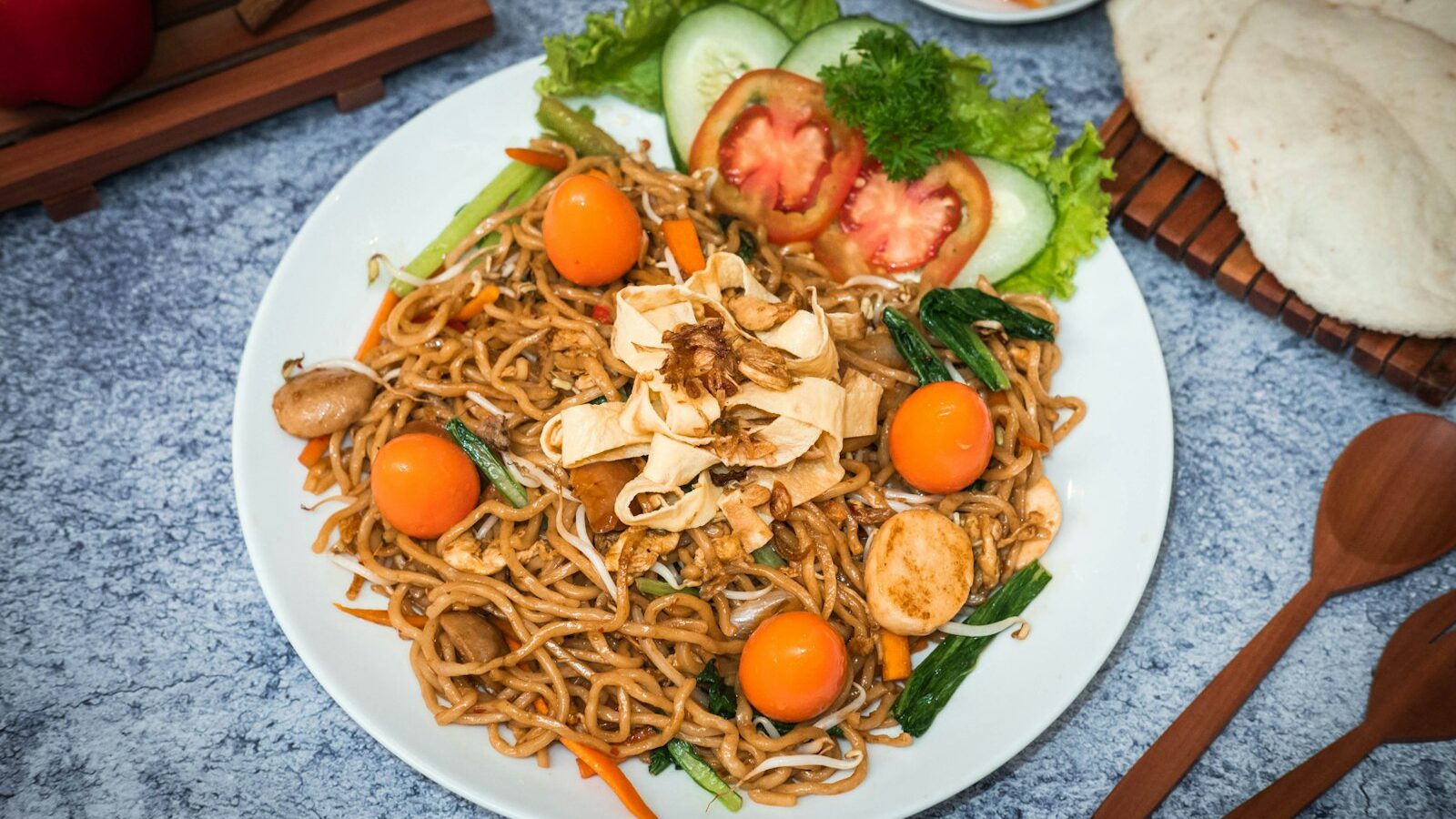
Every region has a noodle dish it defends with quiet pride, and for Sarawak that dish is kolo mee. Springy egg noodles tossed in a light, clean seasoning and crowned with savoury toppings, it is the breakfast that gets Kuching going and a comfort food that travels well beyond Borneo. Kolo mee singapore may not be on every corner the way some hawker staples are, but it has found its way onto menus here through the love of transplanted Sarawakians and curious eaters alike. Once you understand what sets it apart, you start to seek out that distinctive bouncy texture wherever it appears.
This guide explains what kolo mee is, what makes its noodles so special, how a bowl is put together, and where you might find it. If you have only known dry noodles in their more familiar forms, kolo mee is a delicious lesson in how much difference a region’s touch can make.
What Kolo Mee Is
Kolo mee is a dry noodle dish that originates from Sarawak, on the Malaysian side of Borneo, and it is especially associated with the city of Kuching. The name refers to the springy egg noodles at its heart, which are cooked, drained and then tossed in seasoning rather than served in soup, though a bowl of clear broth is often served on the side. The result is a light, savoury tangle of noodles that lets their texture and the quality of the toppings shine.
What distinguishes kolo mee from other dry noodle dishes is its restraint. The seasoning is typically clean and subtle, built around a little oil, savoury notes and sometimes a touch of vinegar, rather than the heavier, darker sauces used elsewhere. This lighter dressing is deliberate, keeping the focus on the bounce of the noodles themselves. It is a dish that trusts simple, good ingredients to carry it.
Kolo mee is commonly topped with minced pork and slices of char siu style barbecued pork, along with a scattering of spring onion and sometimes fried shallots. Because pork features prominently in the traditional version, it is generally not a halal dish, though some vendors offer chicken or other adaptations. As with any dish, anyone with dietary requirements should check with the individual stall about ingredients and preparation.
What Makes The Noodles Special
The soul of kolo mee is the noodle, and Sarawakians will happily tell you that not just any egg noodle will do. The noodles are prized for a particular springy, almost bouncy bite, sometimes described with the Cantonese sense of “QQ”, meaning pleasingly chewy and elastic. Achieving this comes down to the noodle itself and, crucially, how it is cooked.
The technique matters as much as the ingredient. The noodles are boiled briefly, then often given a quick rinse or a plunge that helps set that firm, springy texture, and drained well so they do not turn soggy. A good cook has a feel for the exact timing, pulling the noodles at the moment they are cooked through but still bouncy. Tossed immediately with the seasoning, they take on flavour without going limp.
This attention to texture is why kolo mee eaten fresh at the stall is so much better than any version left to sit. The noodles are at their best the moment they are dressed, when each strand is separate, glossy and springy. It is a dish that rewards eating without delay, which is part of its charm as a fast, satisfying breakfast.
How A Bowl Comes Together
Assembling a bowl of kolo mee is quick but precise. The seasoning is usually prepared in the bowl first, a measured amount of oil, savoury seasoning and sometimes a hint of vinegar or other accents that vary by cook. The freshly cooked and drained noodles go in on top, and everything is tossed thoroughly so each strand is coated evenly and lightly.
Then come the toppings. Minced pork, cooked and seasoned, is a classic, along with slices of char siu style barbecued pork that add a sweet, savoury edge. A sprinkle of chopped spring onion brings freshness, and fried shallots or a little crisp element may be added for aroma and crunch. Many stalls serve a small bowl of clear soup alongside to sip between mouthfuls.
There is also a well-loved red variant, sometimes called kolo mee with char siu sauce, where the noodles take on a reddish tint and a slightly sweeter flavour from a barbecue style sauce. Purists often prefer the plain, lighter version, but both have their devotees. The table below lays out the common styles.
| Style | Seasoning | Typical toppings | Character |
|---|---|---|---|
| Classic dry | Light oil and savoury seasoning | Minced pork, char siu, spring onion | Clean and springy |
| Red kolo mee | Char siu style red sauce | Char siu, minced pork | Sweeter, reddish tint |
| Chicken version | Light seasoning | Minced or sliced chicken | A non-pork adaptation |
| With soup on side | Same, plus clear broth | As above, plus a soup bowl | Comforting and balanced |
Whichever style you choose, the pleasure is the same, that first toss releasing the aroma of the seasoning, and the noodles giving that satisfying spring as you eat.
Where To Find It and How To Enjoy It
In its homeland, kolo mee is a beloved breakfast eaten at coffee shops and stalls across Sarawak. In Singapore it is less ubiquitous, but it can be found at stalls and eateries run by or inspired by Sarawakians, sometimes in coffee shops or as a speciality on certain menus. Because it is more of a niche offering here, availability varies and vendors come and go, so it is worth checking current information before setting out to find a specific bowl.
A few tips for enjoying kolo mee at its best. Eat it as soon as it arrives, while the noodles still have their spring and the toppings are warm. Give it a good toss yourself if the seasoning has settled, to coat every strand. And if you spot both the classic light version and the red variant, consider trying the plain one first to appreciate the noodles on their own terms before the sauce.
Kolo mee is a wonderful reminder that Malaysia and the wider region hold a wealth of regional noodle traditions, each with its own quiet genius. Sarawak’s contribution is all about that unmistakable springy bite and elegant simplicity, and once you have had a proper bowl, you will understand why those who grew up with it miss it so keenly.
Explore more
Wanton Mee Guide
Wat Tan Hor Guide
Bak Chor Mee Guide
Hawker Centre Guide