
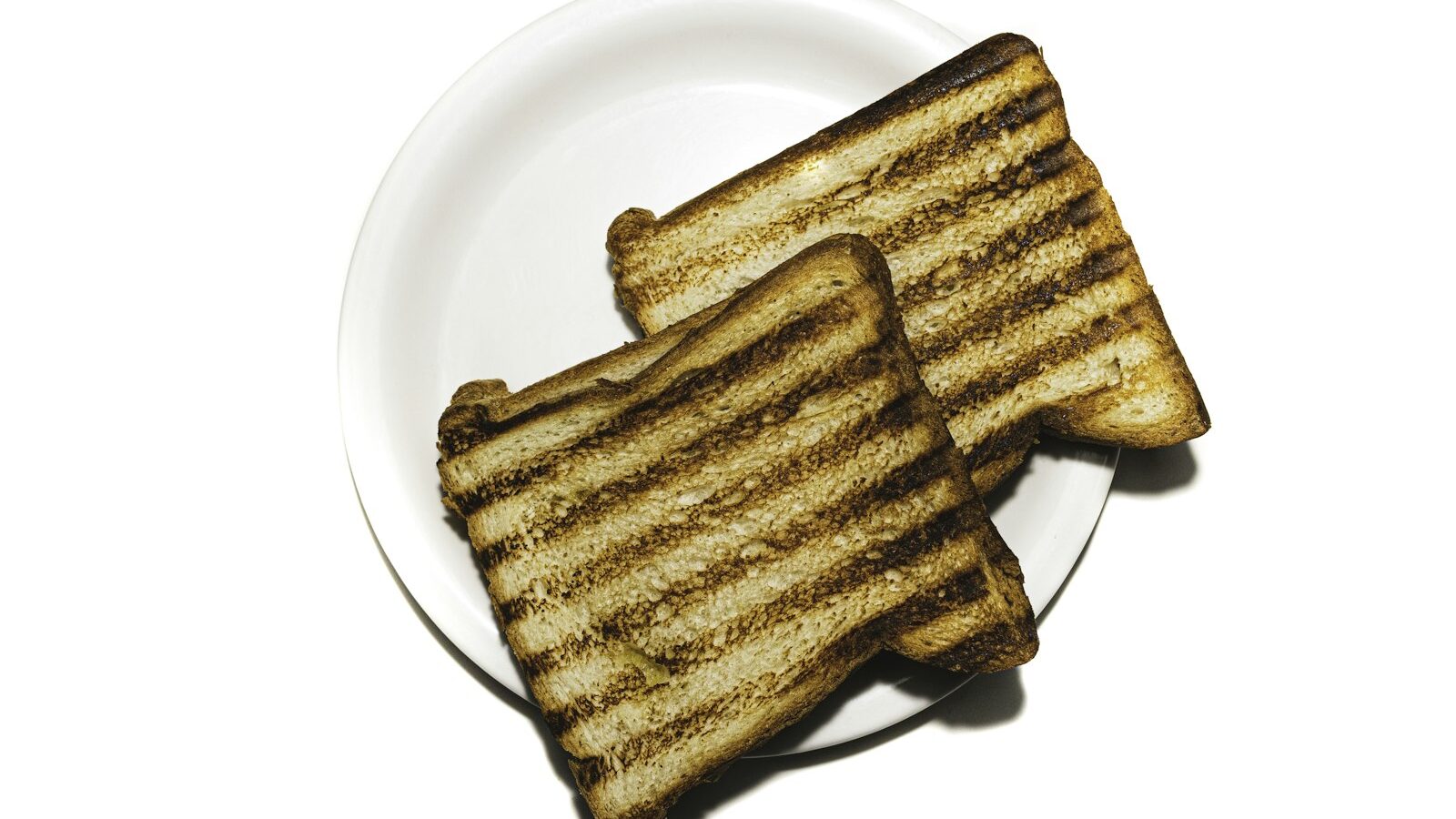
Before the age of cafes and flat whites, Singapore ran on the kopitiam: the traditional coffee shop where locals gathered over strong kopi, crisp kaya toast and soft-boiled eggs. It remains a cherished institution, a place of unhurried mornings and everyday community. This guide explores kopitiam culture and the beloved breakfast set at its heart.
What a kopitiam is
Kopitiam, a word blending the Malay kopi, meaning coffee, with the Hokkien tiam, meaning shop, is the traditional Singaporean coffee shop. Historically these were social hubs, especially for the older generation, where people lingered over coffee, read the papers, and caught up with neighbours. Beyond drinks, a kopitiam typically houses several food stalls, making it a one-stop spot for a meal and a cuppa. The atmosphere is unpretentious and communal, marble-topped or laminate tables, the clatter of cups, and a comfortable, familiar rhythm.
While modern coffee shops and food courts have evolved from this model, the classic kopitiam experience, and its signature breakfast, endures.
The classic toast set
The heart of kopitiam breakfast is the toast set, a simple trio that is far greater than the sum of its parts.
- Kaya toast, toasted bread spread with kaya, a rich coconut and egg jam, and a slab of butter.
- Soft-boiled eggs, served runny, to be seasoned with dark soy sauce and a dash of white pepper.
- Kopi or teh, the local coffee or tea, to wash it all down.
The ritual is part of the pleasure: dipping the toast into the seasoned soft-boiled eggs is a beloved local habit that newcomers quickly adopt. It is inexpensive, deeply satisfying, and a genuine taste of everyday Singapore.
Understanding the coffee lingo
Ordering kopi is an art with its own vocabulary, and getting it right is a small rite of passage. The base is kopi, strong local coffee, and modifiers change it.
| Order | What you get |
|---|---|
| Kopi | Coffee with condensed milk |
| Kopi-O | Coffee with sugar, no milk |
| Kopi-C | Coffee with evaporated milk and sugar |
| Kopi kosong | Coffee with no sugar and no milk |
| Adding peng | Served iced |
The same logic applies to teh, the tea. Once you learn the system, you can fine-tune your drink exactly to taste, and ordering like a local is quietly satisfying. Do not worry about getting it wrong at first; the uncle behind the counter has heard every variation.
How the coffee is made
Traditional kopi has a distinctive character, thanks to how the beans are roasted, often with sugar and margarine, giving the coffee its dark, robust flavour. It is typically brewed using a cloth filter, sometimes called a sock, and served strong, then softened with condensed or evaporated milk. This method produces a bold, aromatic cup quite different from Western-style coffee, and it pairs perfectly with the sweetness of kaya toast. Appreciating this brewing tradition adds to the enjoyment of a kopitiam breakfast.
Why it endures
In a city that changes quickly, the kopitiam endures because it offers something modern cafes often cannot: affordability, familiarity and community. It is a place where people of all ages and walks of life sit side by side, where a simple breakfast costs little, and where the pace slows down. For older Singaporeans it is a daily ritual and a social lifeline, and for younger generations it is a comforting link to heritage. This blend of practicality and nostalgia is why the kopitiam remains woven into the fabric of local life.
The kopitiam versus the modern cafe
It is worth appreciating how the kopitiam differs from the wave of modern cafes. Where a contemporary cafe might offer artisanal brews, brunch plates and a stylish setting at a higher price, the kopitiam trades in tradition, value and unfussy comfort. Both have their place, and many Singaporeans happily enjoy both, but the kopitiam holds a special, irreplaceable role as the original neighbourhood gathering spot and the home of the classic local breakfast.
Where to experience it
Traditional kopitiams and coffee shops are found throughout the heartlands and older neighbourhoods, and some long-running establishments have become well-loved institutions. Wet market complexes, older housing estates and the historic districts are all good places to find an authentic kopitiam experience. For the full effect, go in the morning, order a toast set with your kopi of choice, and settle in to enjoy the unhurried atmosphere.
More than a meal
To understand the kopitiam is to understand something about how Singapore lives. These coffee shops have long been great levellers, places where a taxi driver, an office worker and a retiree might sit at neighbouring tables, each with their own kopi, part of the same everyday scene. Conversations drift, newspapers are shared, and time slows down in a way that feels increasingly rare. The kopitiam is where local slang is traded, where uncles debate the day’s news, and where generations of families have marked ordinary mornings. In that sense, it is not merely a place to eat and drink but a small institution of community, quietly holding a corner of local life together even as the city races ahead around it.
The takeaway
Kopitiam culture is the soul of everyday eating in Singapore: the traditional coffee shop, the ritual of kaya toast dipped into seasoned soft-boiled eggs, and a strong cup of kopi ordered in its own charming lingo. It endures because it offers affordability, community and a comforting link to heritage that no modern cafe can quite replicate. Learn the coffee vocabulary, embrace the dipping ritual, and spend a slow morning at a neighbourhood kopitiam, and you will taste one of the most authentic and beloved corners of Singaporean life.
Explore more: Kaya toast and the Singapore breakfast · How to order kopi like a local · Specialty coffee in Singapore