
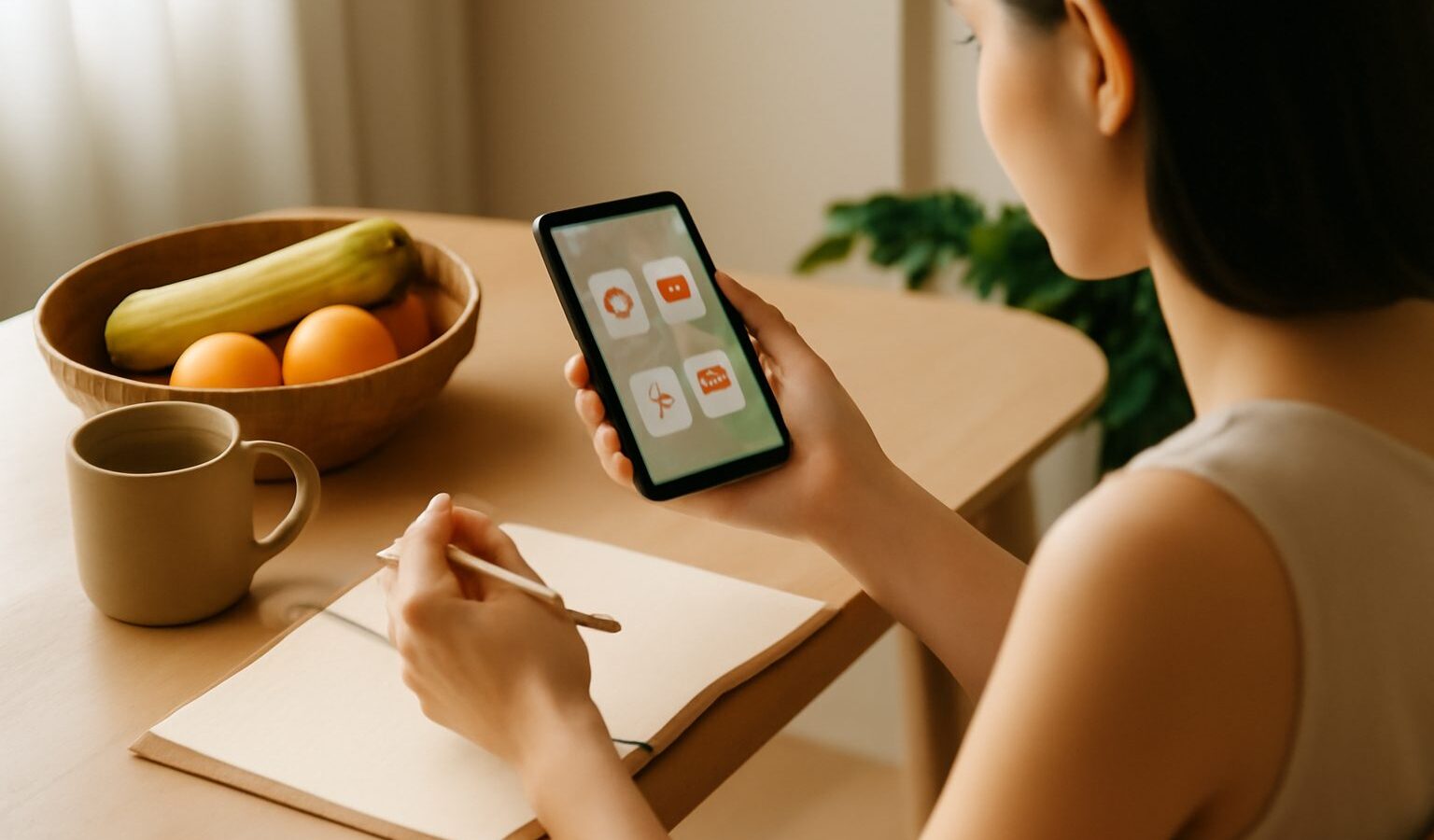
Few places make language part of daily life quite like Singapore does. English is the working language, Mandarin, Malay and Tamil are official mother tongues, and on any given day you might hear Hokkien at a hawker centre or Tagalog on the bus. That mix makes the phone in your pocket a genuinely useful classroom. The best language learning apps singapore residents rely on can help a newcomer find their feet in English, help a student keep up mother tongue revision, or help anyone pick up a new language for travel or work. This guide walks through the main types of apps, what each does well, and how to make them actually work rather than just filling your streak.
What These Apps Are Good At, and What They Are Not
A phone app is brilliant at a few specific things. It gives you bite-sized practice you can do on the MRT, it drills vocabulary until it sticks, and it keeps you coming back through reminders and small rewards. For building a base of words, recognising scripts, and getting used to the rhythm of a language, apps are hard to beat and hard to make excuses about, since ten minutes is always findable.
What they struggle with is the messy, human side of a language. Real conversation, cultural nuance, and the confidence to speak when someone answers back faster than the app ever does are things software only partly delivers. Treat an app as a strong foundation and a daily habit, not the whole building. The learners who make real progress pair their app with something live: a language exchange, a class, a helpful relative, or simply the courage to order in Mandarin at the kopitiam.
Gamified Apps Versus Structured Courses
The apps most people know fall broadly into two camps, and knowing which suits you saves a lot of frustration.
Gamified apps turn learning into a game of streaks, points and short lessons. They are excellent for motivation and for beginners who need a reason to open the app every day. The trade-off is that they can feel shallow once you move past basics, and the playful format sometimes teaches you to recognise answers rather than produce them from scratch.
Structured apps take a more course-like approach, with grammar explanations, dialogues and a clearer sense of progression. They ask a little more patience up front but tend to carry you further into real competence. Many learners use one of each: a gamified app for the daily habit and a structured one for depth. There is no single right choice, only the one you will keep using.
Speaking, Listening, and Conversation Practice
Reading and tapping are the easy parts. Getting your mouth to cooperate is where most learners stall, so choose at least one tool that pushes you to speak and listen.
- Apps with speech features ask you to say phrases aloud and give rough feedback on pronunciation, which builds the muscle memory for sounds your first language may not use.
- Language exchange apps connect you with native speakers around the world for text, voice or video practice, so you learn the way people actually talk rather than textbook lines.
- Podcast-style and audio-first apps train your ear, which matters enormously for Singlish-inflected fast speech and for tonal languages like Mandarin.
A sensible rule is to spend at least as much time listening and speaking as you spend tapping. When you use language exchange apps, apply the same online-safety sense you would anywhere: keep personal details private, be wary of anyone who quickly pushes the chat off-platform or starts talking about money, and report or block rather than tolerate. Practising a language should never turn into a scam story.
Apps for Newcomers and for Keeping Up Mother Tongue
Two very Singaporean use cases deserve their own note.
For newcomers, whether you have just moved here for work or family, functional English is the fastest way to feel settled. Focus early on the practical stuff: greetings, transport, food, workplace basics and the local turns of phrase you will hear daily. Pair an app with real exposure, since a fortnight of ordering your own coffee teaches more than a month of silent lessons. Some learners also pick up survival Mandarin or Malay to connect with neighbours and colleagues.
For families, apps are a low-pressure way to keep mother tongue alive alongside school. Parents can use children’s language apps to reinforce Mandarin, Malay or Tamil at home, and older students can use vocabulary and reading apps for mother tongue revision before exams. The trick is to make it social rather than a solo grind. Read a short story together, watch local content in the language, or set a family rule of one meal a week in the mother tongue. Apps supply the drilling; the household supplies the reason to care.
Comparing Popular Language Apps
Different apps have genuinely different strengths, so it helps to match the tool to the job rather than assuming one app does everything. The picks below are examples of well-known categories; features and pricing change often, so check the current version before committing.
| App | Main strength |
|---|---|
| Duolingo | Gamified daily habit and beginner motivation |
| Busuu | Structured lessons with community feedback |
| HelloTalk | Language exchange with native speakers |
| Memrise | Vocabulary through spaced repetition and real clips |
| Pimsleur | Audio-first listening and speaking drills |
| Anki | Flexible flashcards for mother tongue revision |
Availability varies by language: English, Mandarin and Malay are widely supported across mainstream apps, while Tamil and some regional languages are better served by specialist or flashcard-based apps where you build your own decks.
Free Versus Paid, and Building a Routine
Most apps run on a freemium model. The free tier is usually enough to build a habit and test whether the app suits you, with paid plans unlocking extra lessons, offline use and the removal of ads. There is no need to pay on day one; use the free version for a couple of weeks, and only upgrade once you know you will stick with it and know which single app you would actually miss. Prices and plans vary, so compare current options and watch for the recurring subscriptions that quietly renew.
Whatever you choose, the routine matters more than the app. Aim for a little every day rather than a marathon each weekend, stack the practice onto an existing habit like your commute, and give yourself one weekly moment of real-world use to make it count. The app keeps the streak; the world keeps the language.
Explore more
Language apps are one slice of a well-set-up phone, so once you have picked yours, see our roundup of essential apps for Singapore for the government, payment and lifestyle tools that pair with daily life here. If you are helping an older relative keep up their mother tongue, our guide to smartphones for seniors in Singapore has tips on making apps easier to use.