
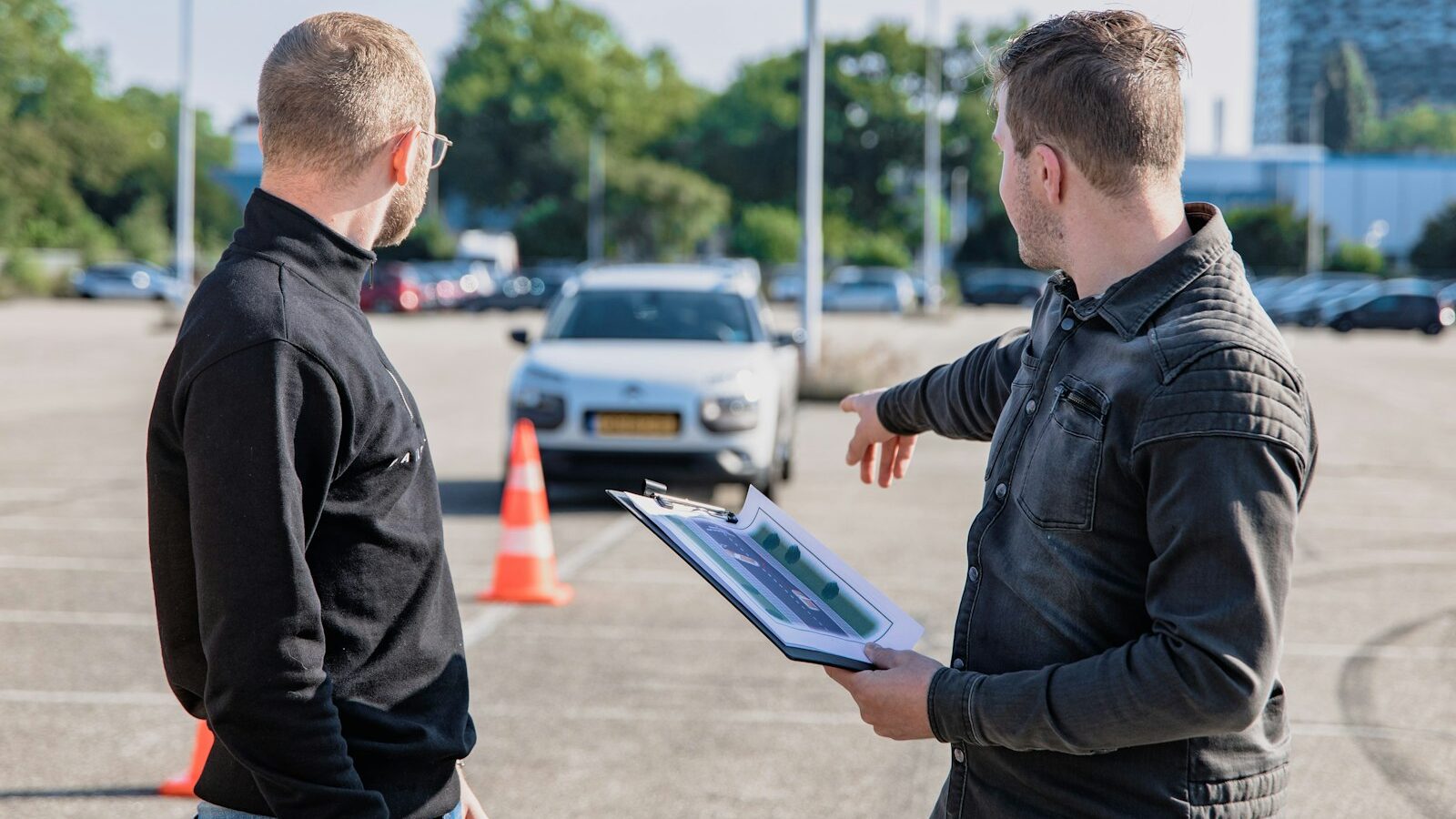
Getting your licence through one of the driving schools Singapore offers, or with a private instructor, is a rite of passage for many residents, even in a city with excellent public transport. Learning to drive takes patience, practice and a clear understanding of the steps involved. This is a general overview of how the process works, and for current rules, fees and test details you should always check with the Traffic Police, who set and update the requirements.
Whether you are a young resident taking your first lesson or a newcomer converting to a local licence, knowing the path ahead makes the journey smoother and less daunting. A licence also stays useful long after you pass, giving you the freedom to drive on holiday overseas, to help family members when needed, or to take up car-sharing without buying a vehicle of your own.
The Route to a Driving Licence
Learning to drive in Singapore follows a structured path, and while the exact steps can be confirmed with the Traffic Police, the general shape is well established.
You typically begin with the theory side, learning the rules of the road, traffic signs and safe driving principles, and passing the required theory assessments before or alongside your practical training. You then take practical driving lessons to build your skills behind the wheel, from basic control and manoeuvres to driving in real traffic. Once you and your instructor judge you ready, you sit the practical driving test, and passing it leads to your driving licence.
There are two main ways to learn, and the choice shapes your whole experience. You can enrol at a driving school, where structured courses, in-house circuits and a fleet of cars are all provided. Alternatively, you can learn with a private driving instructor, who teaches you one to one, often with more flexible timing. Both routes lead to the same licence, and both prepare you for the same tests.
Driving Schools Versus Private Instructors
Neither option is simply better, and the right choice depends on how you like to learn, your schedule and your budget.
A driving school offers structure and facilities. Lessons follow a set curriculum, you practise on a dedicated circuit before venturing onto public roads, and the school handles much of the administration and booking. This suits learners who value a clear programme and the reassurance of an established organisation. The trade-off is less flexibility, since you fit into the school’s timetable, and popular slots can fill up.
A private instructor offers flexibility and personal attention. Lessons are one to one, often at times that suit you, and you learn on public roads from early on, which some find builds real-world confidence faster. The relationship is more personal, so rapport with your instructor matters. The trade-off is that you do not get a private circuit, and you should ensure any instructor is properly licensed and reputable before committing.
The table below sets out the general differences.
| Consideration | Driving school | Private instructor |
|---|---|---|
| Structure | Set curriculum and circuit | Flexible, tailored to you |
| Scheduling | Fits the school’s timetable | Often more flexible timing |
| Learning setting | Circuit first, then roads | Public roads from early on |
| Attention | Varies with class demand | Consistent one to one |
| Administration | Largely handled for you | You manage more yourself |
Whichever you choose, look for a legitimate, licensed provider, ask about their approach, and pick the option that fits how you learn best rather than simply the cheapest.
The Theory and Practical Tests
Learning to drive involves both knowledge and skill, and the assessments reflect this. The theory component tests your understanding of traffic rules, road signs, right of way and safe driving practices, and you prepare using official materials and practice questions. The practical test assesses your actual driving, including vehicle control, observation, correct signalling, and handling of junctions, lane changes and manoeuvres, all while driving safely and confidently.
Because the exact structure, format and fees can change, the golden rule is to confirm the current details with the Traffic Police rather than relying on second-hand accounts. Your driving school or instructor will also guide you on what to expect and when you are ready to sit each test. Do not rush the practical test, since taking it before you are genuinely prepared often means resitting, which costs more time and money than a little extra practice would have.
A few habits help you pass and, more importantly, become a safe driver. Practise consistently rather than cramming, since driving is a physical skill that builds with repetition. Learn to anticipate and observe, checking mirrors and blind spots as second nature. Get comfortable with the manoeuvres that catch learners out, such as reversing, parking and hill starts, by repeating them until they feel automatic. Stay calm on test day, treat it as a normal drive, and remember that the examiner wants to see safe, controlled driving, not perfection.
Driving Well Beyond the Test
Passing the test is the beginning, not the end, of becoming a good driver. Newly licensed drivers benefit from continuing to build experience gradually, driving in varied conditions such as rain and night-time, and keeping their skills sharp. Owning and running a car in Singapore also comes with its own costs and responsibilities, including the Certificate of Entitlement and the ongoing expenses of ownership, which are worth understanding before you commit to buying a vehicle.
For many residents, a licence is useful even without immediately owning a car, opening up options such as car-sharing, occasional rentals and the flexibility to drive when needed. Learning to drive is an investment in independence and confidence, and approached with patience and the right instruction, it is well within reach.
Take your time, choose a reputable school or instructor, prepare properly for both tests, and always defer to the Traffic Police for the current rules and requirements. Drive safely, keep learning, and enjoy the freedom that comes with the road.
Explore more
COE and Car Ownership
Setting Up Your HDB Home
Using the OneService App